Early initiation of breastfeeding not enough; mothers need sustained support, say experts
NFHS-6 findings suggest that the challenge increasingly lies in helping mothers continue breastfeeding after they leave healthcare facilities
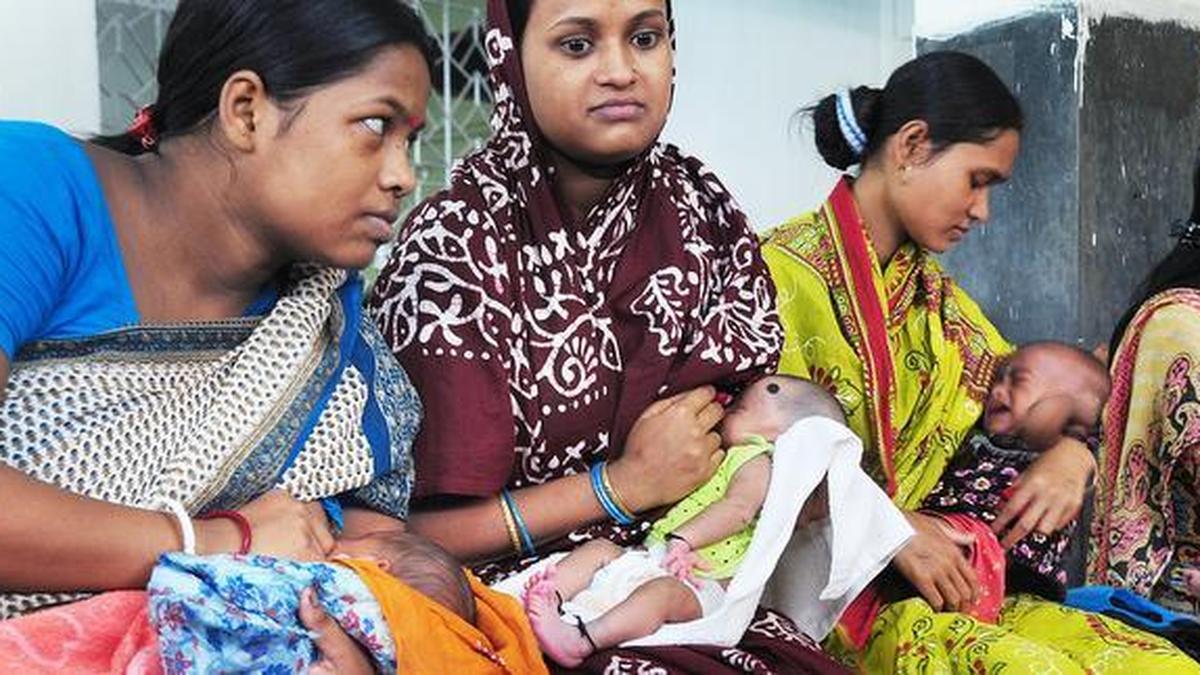
India has witnessed a widening gap between early initiation of breastfeeding and maintaining exclusive breastfeeding for the first six months, as highlighted by the latest National Family Health Survey (NFHS-6). While early breastfeeding within one hour of birth has improved, exclusive breastfeeding rates have declined from 63.7% to 55.8%.
The week marking World Breastfeeding Week underscores the need for sustained support for mothers to continue breastfeeding after they leave healthcare facilities. Karnataka shows a relatively better picture, with exclusive breastfeeding rates remaining above the national average. However, early initiation has slightly declined in the state.
Complementary feeding has improved, but an adequate diet for children aged six to 23 months remains low. Experts such as Sarath Gopalan, Sarada Gopalan, and Anura Kurpad emphasize the challenges mothers face in maintaining exclusive breastfeeding beyond the hospital. Factors like caesarean deliveries, inadequate lactation counselling, lack of support at home, and limited maternity protection contribute to these challenges.
Nutritional needs of mothers should also receive attention, as prolonged nutritional depletion can lead to anaemia, micronutrient deficiencies, fatigue, and poorer maternal health. Simple dietary additions, such as milk, eggs, pulses, and seasonal fruits, can help meet increased nutritional requirements during lactation. Breastfeeding should be treated as a public health priority, requiring greater awareness, stronger support systems, and comprehensive lactation education.
Written by urgent.news from The Hindu Health's reporting — not their text. Machine-written — may contain errors; check the original before relying on it.