Commentary: The real reason behind Trump’s yen intervention
The United States is bolstering the Japanese yen, as it did with the Argentine peso. The reasons are not solely economic, says Cornell University's Eswar Prasad.
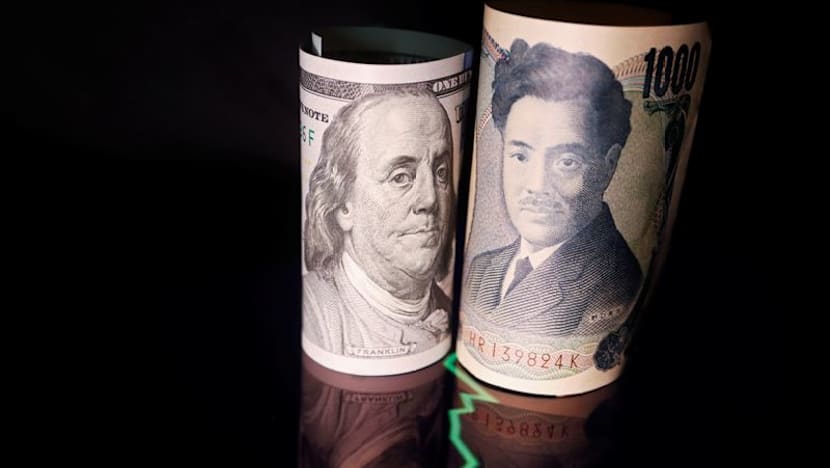
The United States is intervening in foreign currency markets, bolstering the Japanese yen despite recent fears of a falling currency value. Cornell University's Eswar Prasad suggests these actions are not solely driven by economic interests. Typically, such interventions occur during crises; however, this time, the Trump administration supported currency policies of Argentina, Japan, and the UAE, countries not facing emergency situations.
The administration's actions, seen as risky and expensive, are aimed at promoting its policies and rewarding allies. By intervening in currency markets, the United States aims to control volatility, using its Treasury's power to counter speculators. This strategy may help stabilize the yen, benefiting the United States, as Japan holds a significant amount of US Treasury securities.
If the Bank of Japan were to sell these securities, it would increase US government debt interest rates, adversely affecting the American economy. The US economy remains strong, but with rising oil prices and inflation, the Fed is likely to raise interest rates, making US short-term debt more appealing to foreign investors and hurting the yen further.
Thus, while the intervention aims to stabilize the yen, it may inadvertently complicate the US fiscal situation.
Written by urgent.news from CNA - Business's reporting — not their text. Machine-written — may contain errors; check the original before relying on it.
This story
This is one outlet's version. Read the fullest account.
- Commentary: The real reason behind Trump’s yen intervention channelnewsasia.com