Commentary: The real reason behind Trump’s yen intervention
The United States is bolstering the Japanese yen, as it did with the Argentine peso. The reasons are not solely economic, says Cornell University's Eswar Prasad.
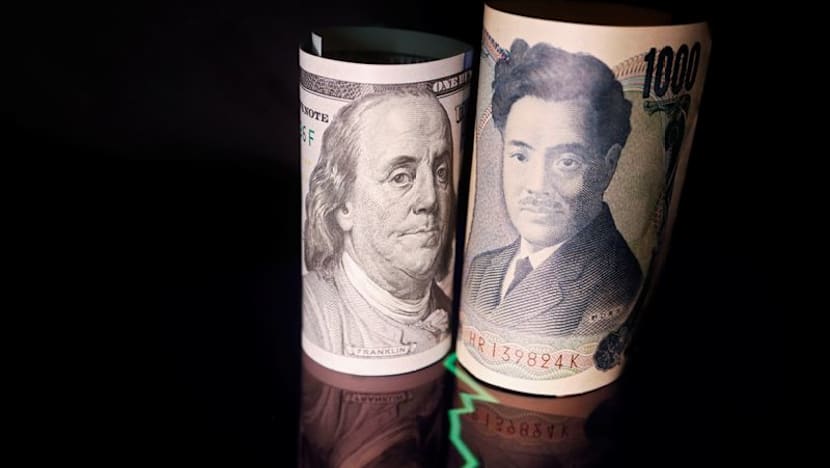
The United States has been intervening in foreign currency markets, particularly bolstering the Japanese yen, in recent years. Cornell University's Eswar Prasad explains that these interventions are not solely driven by economic reasons, but also political and geopolitical objectives. The administration has taken such actions despite the risks and costs involved, as it seeks to promote its policies and reward allies.
In the case of Japan, the administration intervened in coordination with the Japanese government to support the yen, which had fallen by over 10% against the dollar in one year. While this intervention helped stabilize the yen, its success is not guaranteed, given Japan's considerable government debt, which could rise if foreign investors shun yen-denominated assets.
For the United States, Japan is the largest foreign holder of US Treasury securities. Raising interest rates on US government bonds to attract other buyers could increase borrowing costs, affecting American businesses and consumers. Moreover, Trump's tariffs on Japanese imports would become less significant if the yen continued to depreciate.
Currency markets often experience overshooting, and intervention can help smooth out such volatility. However, such interventions rarely succeed without accompanying policy changes. The decline in the yen's value is not solely due to increased volatility. Japan is facing challenges such as an aging population, high government debt, and low growth.
These factors have been feeding on each other, causing the yen to lose value. In contrast, the American economy appears robust, with inflation persistently above the Federal Reserve's target. This could lead to a rise in interest rates, making US government debt more attractive to foreign investors, which might benefit the United States.
Despite their differences, the two economies are interconnected by the issue of high government spending.
Written by urgent.news from Channel News Asia's reporting — not their text. Machine-written — may contain errors; check the original before relying on it.
Also reported by 1 other outlet
- Commentary: The real reason behind Trump’s yen intervention channelnewsasia.com