China releases powerful DNA-screening AI tool for free to help fight rare diseases
For people navigating rare diseases, which are mostly genetic in origin, the search for answers is a gruelling marathon often called the “diagnostic odyssey”. Patients can spend years visiting specialists and undergoing inconclusive tests, while the underlying cause of their condition remains hidden within three billion base pairs of DNA in the human genome. But Artificial intelligence is…
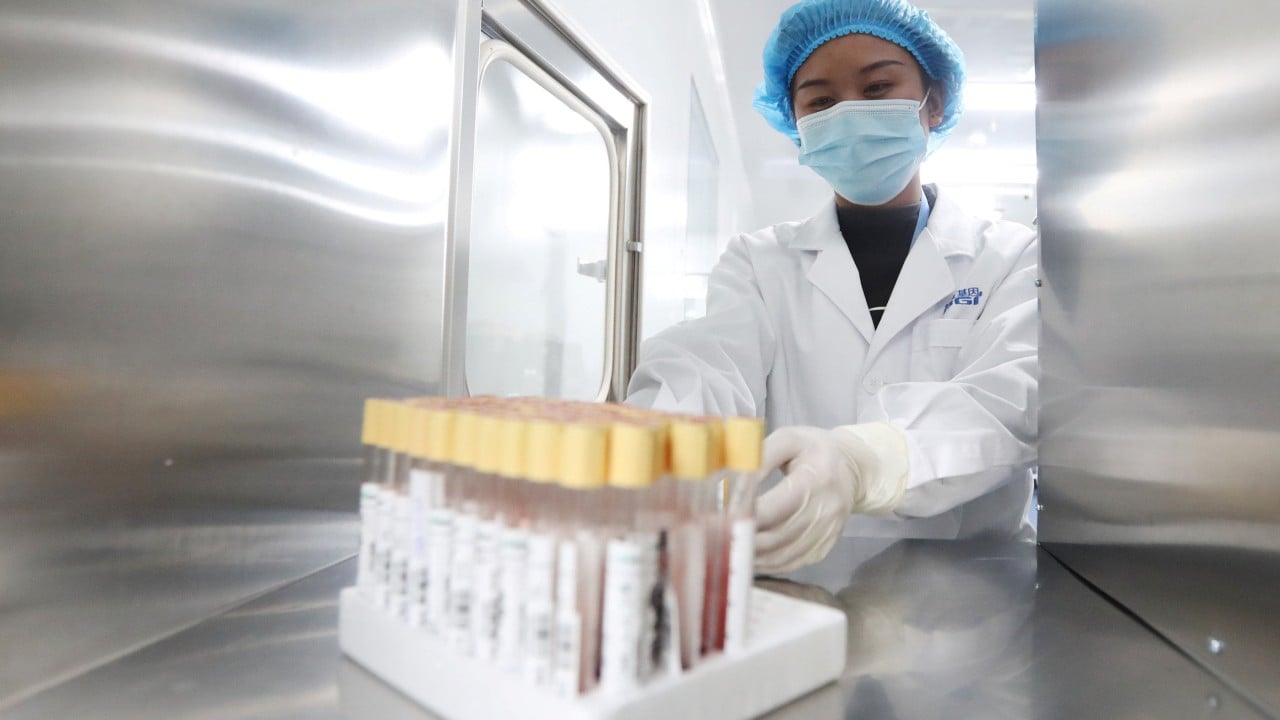
China has launched an open-source, AI-powered DNA-screening tool called OneGenome to aid in the diagnosis of rare diseases. This cutting-edge technology aims to expedite the diagnostic process, which often spans years for patients grappling with these elusive conditions. By processing raw DNA sequences and cross-referencing them with a vast database of clinical literature, OneGenome can formulate treatment approaches in a fraction of the time previously required.
The system was developed by integrating Genos, a genomic foundational model, with large language model capabilities. Liu Shiping, chief scientist in brain science at BGI-Research, explained that while common diseases have a wealth of knowledge, rare conditions suffer from an information deficit, making accurate diagnosis a formidable challenge.
Through the utilization of OneGenome, doctors can swiftly identify potential disease-causing mutations, thereby streamlining the diagnostic journey and facilitating more precise treatment strategies. The AI model has been applied successfully to rare types of cancer, uncovering therapeutic targets that traditional clinical testing often missed.
At the recent AI for Good Global Summit 2026, OneGenome was showcased, leading to the ITU Innovate for Impact Use Case Award. The ultimate goal of this groundbreaking technology is to democratize access to medical insights, particularly in resource-limited settings, by empowering patients to actively engage with their healthcare providers in confirming diagnoses.
Written by urgent.news from Reuters Business via SCMP's reporting — not their text. Machine-written — may contain errors; check the original before relying on it.
This story
This is one outlet's version. Read the fullest account.