China releases powerful DNA-screening AI tool for free to help fight rare diseases
For people navigating rare diseases, which are mostly genetic in origin, the search for answers is a gruelling marathon often called the “diagnostic odyssey”. Patients can spend years visiting specialists and undergoing inconclusive tests, while the underlying cause of their condition remains hidden within three billion base pairs of DNA in the human genome. But Artificial intelligence is…
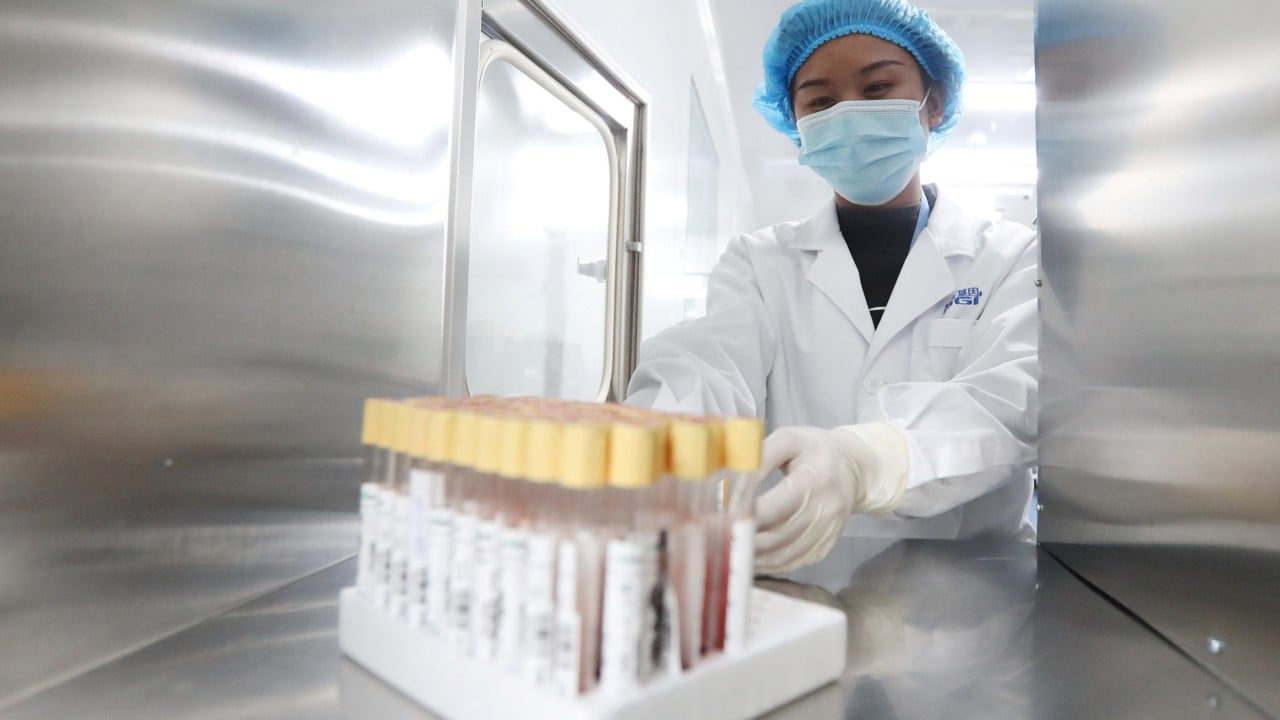
Chinese researchers have unveiled an open-source AI tool called OneGenome, designed to expedite the diagnostic process for rare genetic diseases. This breakthrough addresses the "diagnostic odyssey" that many patients endure, which often involves years of specialist visits and inconclusive tests. OneGenome harnesses the power of artificial intelligence to bridge the gap between DNA sequences and extensive clinical knowledge, rapidly transforming the diagnostic landscape.
The AI model, developed by BGI-Research, surpasses general large language models such as DeepSeek-v4 and traditional gene models in clinical diagnostic and medication guidance tests. Unlike conventional AI, OneGenome employs accumulated human medical logic to interpret the clinical consequences of gene mutations, enabling it to reason through the intricate connections within genomic sequences.
BGI-Research's chief scientist, Liu Shiping, highlighted the immense challenge posed by rare conditions, which suffer from limited knowledge and require accurate diagnoses. By constructing a comprehensive database of rare diseases, patient gene sequencing data, and clinical manifestations, OneGenome can analyze these findings with remarkable efficiency.
The tool has already been applied to treat rare types of cancer, identifying therapeutic targets for personalized immunotherapy that were previously overlooked by traditional clinical testing.
At the UN's AI for Good Global Summit in July, OneGenome received the ITU Innovate for Impact Use Case Award, showcasing its potential to revolutionize rare disease diagnosis. Liu envisions the technology as a global public good, particularly for developing countries with limited medical resources. In the future, he hopes AI tools will empower patients to analyze their health data, facilitating more effective communication with doctors and expediting the diagnostic process.
Written by urgent.news from South China Morning Post's reporting — not their text. Machine-written — may contain errors; check the original before relying on it.