China is using AI facial ID to track migrating fish in Tibet’s largest river
China is using an artificial intelligence-driven fish identification system to conduct round-the-clock tracking of species passing along a fishway on a dam on Tibet’s largest river. Monitoring the route once relied on labour-intensive manual counts, but it now uses an AI-based “fish facial recognition” system to identify species unique to the Tibet autonomous region, according to a report…
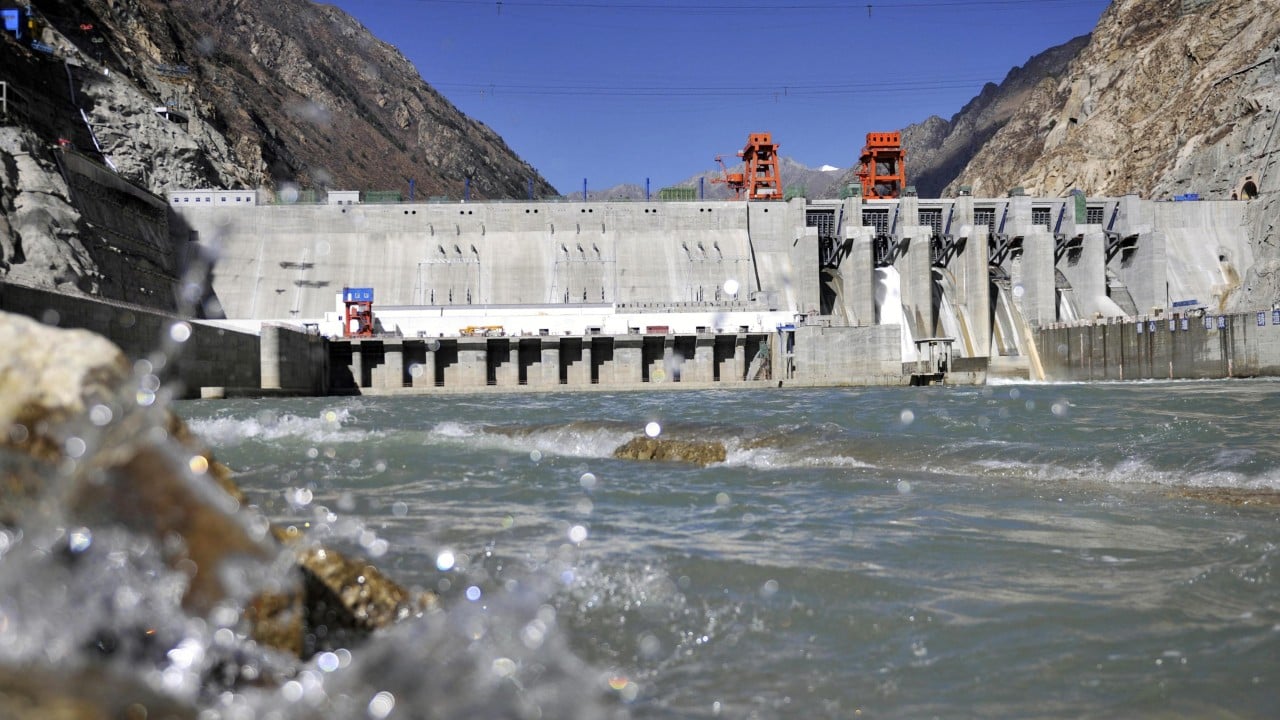
China employs AI-driven fish identification technology to continuously monitor species passing through a fishway at Tibet's largest river, the Yarlung Tsangpo. This system, unique to the Tibet autonomous region, offers a more accurate and efficient alternative to manual counting methods. The Zangmu Hydropower Station, a 400-meter-tall, 510-megawatt facility, has aided around 570,000 rare fish in swimming upstream since its 2015 operation.
Director Yang Xiaocheng stated that the fish population remains stable and the aquatic ecology has improved due to the dam's construction. This fishway is a 116-meter-tall fish ladder that uses AI-based "fish facial recognition" to identify seven species of migrating fish, including protected species. In contrast to the environmental drawbacks typically associated with hydropower dams, such as obstructing fish migration pathways, the Zangmu Hydropower Station has implemented a breeding and release program. Since its inception, this program has returned nearly 2 million fish to the wild.
Written by urgent.news from Reuters Business via SCMP's reporting — not their text. Machine-written — may contain errors; check the original before relying on it.
This story
This is one outlet's version. Read the fullest account.