China is using AI facial ID to track migrating fish in Tibet’s largest river
China is using an artificial intelligence-driven fish identification system to conduct round-the-clock tracking of species passing along a fishway on a dam on Tibet’s largest river. Monitoring the route once relied on labour-intensive manual counts, but it now uses an AI-based “fish facial recognition” system to identify species unique to the Tibet autonomous region, according to a report…
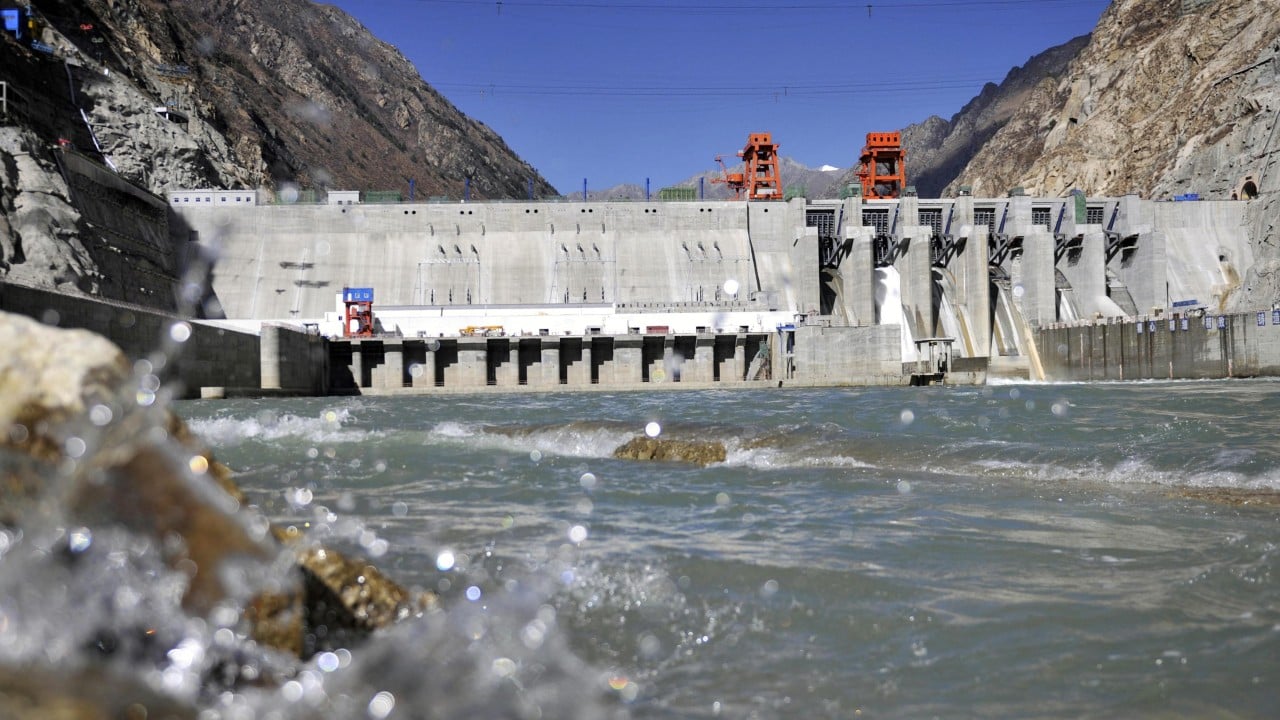
China is employing artificial intelligence (AI) technology to track fish migrating through Tibet's largest river using a system that identifies species through what has been described as "fish facial recognition." This innovation, installed at Zangmu Hydropower Station on the Yarlung Tsangpo River, has replaced labor-intensive manual counting methods for monitoring fish passage.
Since the facility's 2015 operation, it has facilitated the upstream migration of approximately 570,000 rare fish species, including protected fauna such as Glyptosternon maculatum. Yang Xiaocheng, director of safety and environmental protection at the dam, stated that the fish population in the river's middle reaches has remained stable and even exhibited positive changes, attributing this growth to the hydropower station's presence.
The AI-based system, trained on historical footage, utilizes sonar and optical technologies to accurately identify species and analyze their swimming and fin characteristics with a 95% accuracy rate. This system also collects crucial data on migration timing and water temperature to assess the fishway's effectiveness. The technology used in this project is comparable to those employed in the United States by the Alaska Fisheries Science Centre and through partnerships between Canadian companies and hydroelectric providers.
While dams can pose environmental challenges by obstructing natural fish migration routes, advancements have been made in designing "fish-friendly" structures that facilitate their passage. The Zangmu Hydropower Station, a 400-meter-long, 510-megawatt facility, features a gentle incline and optimal flow speed to accommodate the region's cold-water species.
Additionally, a breeding and release program at the station has contributed to the stabilization of rare fish populations in the Yarlung Tsangpo River by returning nearly 2 million fish to the wild since the dam's inauguration. However, the construction of a massive 60-gigawatt dam on the river's lower reaches has raised concerns over its potential environmental impact in China and neighboring nations such as India, Bangladesh, and Nepal.
Written by urgent.news from South China Morning Post's reporting — not their text. Machine-written — may contain errors; check the original before relying on it.