Austin homeowner pays $3,000 to trim trees after insurance warning
Texas homeowners are increasingly finding that insurance companies are using aerial images of their properties to assess risks and decide whether to renew policies. Insurers use satellite, aircraft and third-party imagery, with some companies using AI to analyse roofs and identify possible damage. While insurers say the technology is faster and more efficient, consumer advocates warn that…
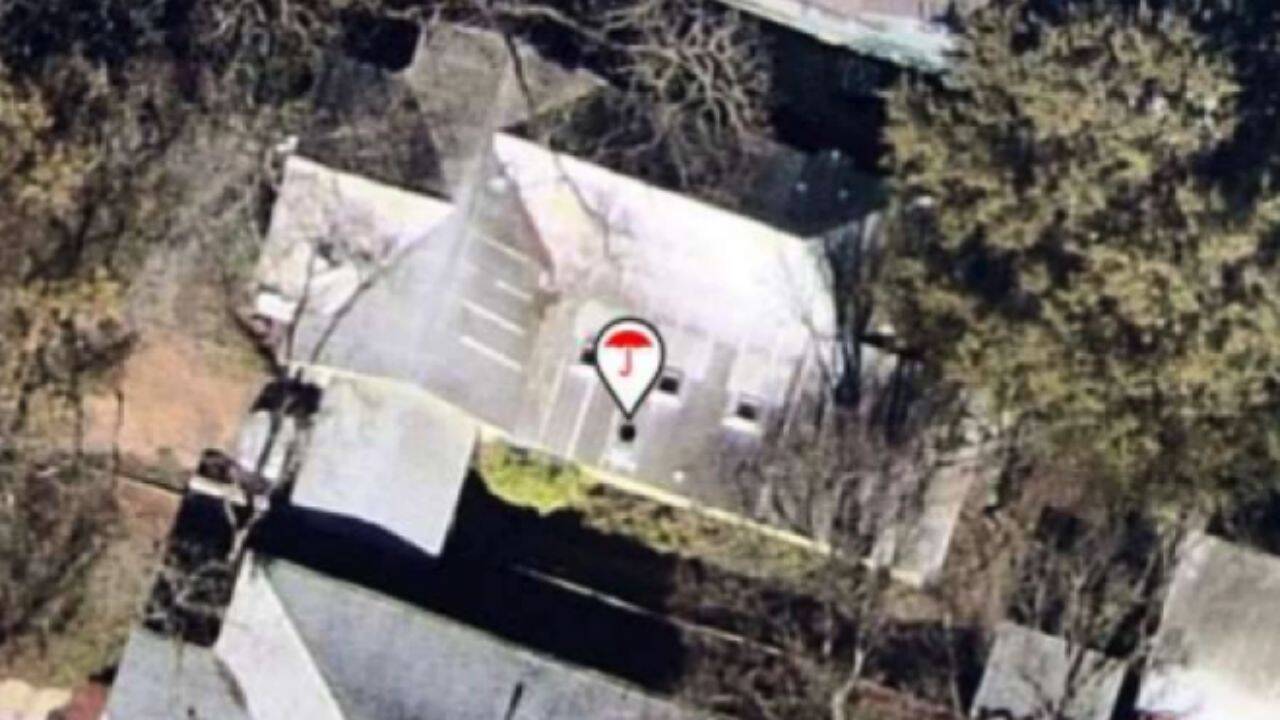
Tracy Gartenmann, an Austin homeowner, recently found herself in a predicament when her insurance company threatened to cancel her coverage. The reason? Aerial photographs showcasing trees near her roof. Gartenmann received an email displaying these images, taken from above her house. Initially, she thought the email was a scam, but upon realizing its authenticity, she felt violated.
This situation is not unique, as Gartenmann is one of many homeowners in Texas who have faced similar threats. Insurance companies across the state are increasingly utilizing aerial images, both satellite and aircraft-based, to evaluate homes and determine whether to continue providing coverage. Travelers, Gartenmann's insurer, provided her with two months to cut back the trees or face the loss of her policy.
Without insurance, Gartenmann would have had to bear the burden of rebuilding after a storm, while mortgage lenders could also penalize her for lacking coverage.
After paying a landscaping company $3,000 to trim the trees, Gartenmann sent Travelers photographs proving the branches had been cut back. The company agreed to renew her policy just days before it was set to expire. However, Gartenmann's case is not an isolated incident. Complaints have been filed with the Texas Department of Insurance, with at least a dozen since 2023.
Some homeowners expressed confusion over insurers monitoring their properties from above and questioned the accuracy and reliability of these aerial images in the decision-making process.
State Farm, for instance, reportedly threatened to cancel a homeowner's policy outside Galveston unless a roof replacement was completed, which the homeowner deemed unnecessary. In response, State Farm requested the report and images used in their decision. After facing state intervention, State Farm agreed to renew the policy.
David Bolduc, head of the Texas Office of Public Insurance Counsel, explained that insurance companies have the right to inspect homes, both physically and through aerial images. However, consumer advocacy group Texas Watch argues that this technology is reducing the human aspect in insurance. Consumer advocate Ware Wendell stated that the use of such technology reduces the personal touch in purchasing, servicing, and adjusting insurance policies, which he believes is detrimental to policyholders.
Insurance companies obtain aerial photographs through third-party technology providers, with CAPE Analytics being one such provider. CAPE uses artificial intelligence to analyze roofs in images and rate them based on damage. Insurance Council of Texas reported that CAPE's technology is used by insurers representing approximately 20% of the Texas home insurance market.
Despite the convenience of aerial imagery, concerns persist over its accuracy compared to in-person inspections. The CAPE manual itself acknowledges that roof conditions derived from aerial images may be less detailed and accurate than those obtained through on-site inspections.
Written by urgent.news from Times of India's reporting — not their text. Machine-written — may contain errors; check the original before relying on it.