Asia stocks edge higher, oil up amid Gulf confusion
Brent crude added 0.9 per cent to $84.32 a barrel.
On August 10, Asian stock markets followed Wall Street higher after a subdued U.S. jobs report dampened expectations of an imminent rise in borrowing costs. However, the lack of progress in Gulf peace negotiations pushed oil prices upward. Iran indicated on August 9 that a deal with Oman concerning new shipping lanes in the Strait of Hormuz was nearing completion, but stressed that the waterway could reopen only if the United States met additional conditions.
Brent crude prices rose by 0.9% to $84.32 a barrel, while U.S. crude increased by 0.7% to $78.74 a barrel. This surge in fuel costs escalates the significance of the U.S. July consumer price report set for August 12, with analysts anticipating a 0.1% increase in the headline index and a 0.2% rise in the core index. If the figures surpass expectations, it might reignite conversations about a September hike in interest rates by the Federal Reserve.
Michael Feroli, JPMorgan's chief U.S. economist, posited that the current forecast for core CPI of 0.22% may not be robust enough to trigger a rate hike at the September meeting, but consecutive printings nearing 0.3% could prompt such a move. "We are closely monitoring any rebound in core goods prices after a two-month period of decline," he remarked.
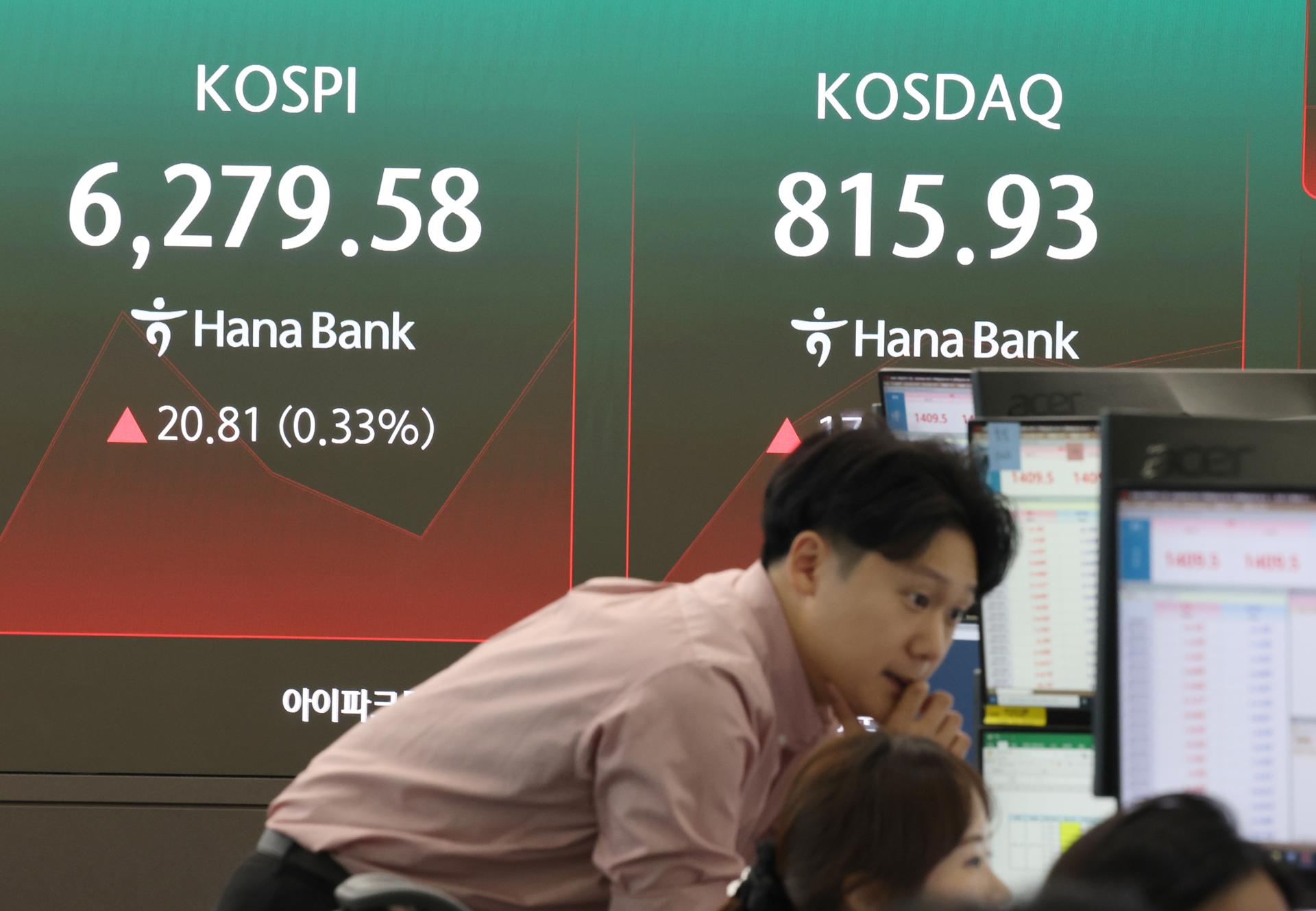
The futures market has reduced the likelihood of a September rate hike to around 44%, down from 67% the previous week. The easing of rate risk bolstered Treasury yields, leading to Wall Street's record-high close. Japan's Nikkei and South Korea's Kospi both climbed by 0.6% and 0.5%, respectively. The MSCI's Asia-Pacific index, excluding Japan, edged up by 0.3%.
For Europe, the Eurostoxx 50 and DAX futures both declined by 0.1%, while FTSE futures fell by 0.4%. S&P 500 futures slipped by 0.1%, whereas Nasdaq futures remained unchanged after gaining 5% the previous week due to an array of positive earnings reports.
Analysts at BofA observed that nearly 90% of S&P 500 results have been released, resulting in earnings per share (EPS) up by 30% year-on-year, excluding investment gains at Alphabet and Amazon. The EPS beat rate of 76% matched the highest level since 2021. "Artificial intelligence (AI) continues to stand out, with median EPS growth of 28% versus 12% for non-AI-related stocks, although consensus expects AI growth to decelerate to 16% in the next quarter," they noted in a report.
Earnings this week are modest, encompassing announcements from semiconductor company Applied Materials, networking equipment maker Cisco, and cloud infrastructure technology firm CoreWeave.
In bond markets, yields on 10-year Treasuries edged higher at 4.673%, with the market preparing for a fresh issuance of $125 billion (S$159.89 billion) this week. The decrease in yields and overall boost in risk dragged the U.S. dollar broadly lower, with the euro edging close to a seven-week peak at $1.1557. The dollar held steady against the yen at 157.85, as investors remained cautious about potential yen intervention if it depreciates further.
In commodity markets, the decline in yields helped non-interest-bearing gold maintain its price at $4,342 an ounce, having surged more than 7% the previous week.
Written by urgent.news from Straits Times Business's reporting — not their text. Machine-written — may contain errors; check the original before relying on it.
This story
This is one outlet's version. Read the fullest account.
- Asia stocks edge higher, oil up amid Gulf confusion brecorder.com
- Global Market Today: Asia stocks edge higher, oil up amid Gulf confusion economictimes.indiatimes.com
- Asia stocks edge higher, oil up amid Gulf confusion nst.com.my
- Asian stocks edge higher, oil up amid Gulf confusion freemalaysiatoday.com
- Asia stocks gain, oil up amid Gulf confusion investing.com
- Asia stocks edge higher, oil up amid Gulf confusion channelnewsasia.com