A story of memory and heritage: Abdulla Al Najjar on the Shah Jahan jade pendant at the Museum of Islamic Art
<p>Doha, Qatar: Among the many objects housed at the Museum of Islamic Art (MIA), one particular piece holds a special place in the memory of Abdulla Al Najjar, Member of the Board of Trustees of Qatar Museums.</p> <p>The Shah Jahan jade pendant, a seventeenth-century Mughal amulet displayed at the museum, is valued not only for its artistic craftsmanship but also for the personal story of…
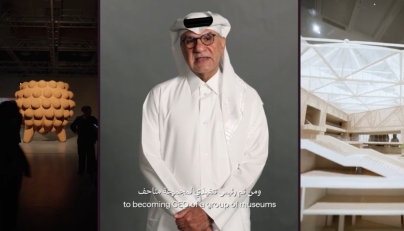
In Doha, Qatar, Abdulla Al Najjar, a Member of the Board of Trustees at the Museum of Islamic Art (MIA), shares his connection to a particular object in the museum's collection. The Shah Jahan jade pendant, a seventeenth-century Mughal amulet, is not only admired for its artistic craftsmanship but also cherished for its personal significance. Al Najjar believes objects in museums can bridge people across time and culture, reflecting his broader conviction in art's power to unite.
This pendant, one of the few surviving pieces linked to Mughal emperor Shah Jahan (1628-1658 CE), is a Mughal amulet inscribed with verses from the Qur'an, floral motifs, and royal inscriptions. It is believed to have been crafted during a time of personal loss, following the death of Shah Jahan's wife, Mumtaz Mahal. Al Najjar fondly remembers the pendant, remembering how it brought him comfort during Shah Jahan's grief.
The Evolution Nation campaign, part of Qatar Creates, a cultural movement by Qatar Museums, highlights significant individuals, institutions, and ideas that have contributed to Qatar's cultural development since the establishment of the original National Museum of Qatar in 1975. The jade pendant is a testament to this cultural renaissance.
Al Najjar, who played a pivotal role in MIA's early development, was present at the museum's opening in 2008 and later became CEO of the Museums Authority. He expressed his gratitude for the opportunity to contribute to the vision of Qatar's cultural renaissance under the leadership of His Highness the Father Amir and the Emir.
Written by urgent.news from The Peninsula Qatar's reporting — not their text. Machine-written — may contain errors; check the original before relying on it.