Why Malaysia’s political turmoil matters to Beijing
As China seeks to reshape the global order, Malaysia’s political instability offers a cautionary tale about the challenges Beijing may face abroad. A recent Pew Research Centre survey found that global perceptions of China have improved relative to those of the US, driven partly by the view among some respondents that China under President Xi Jinping is more reliable than a US led by President…
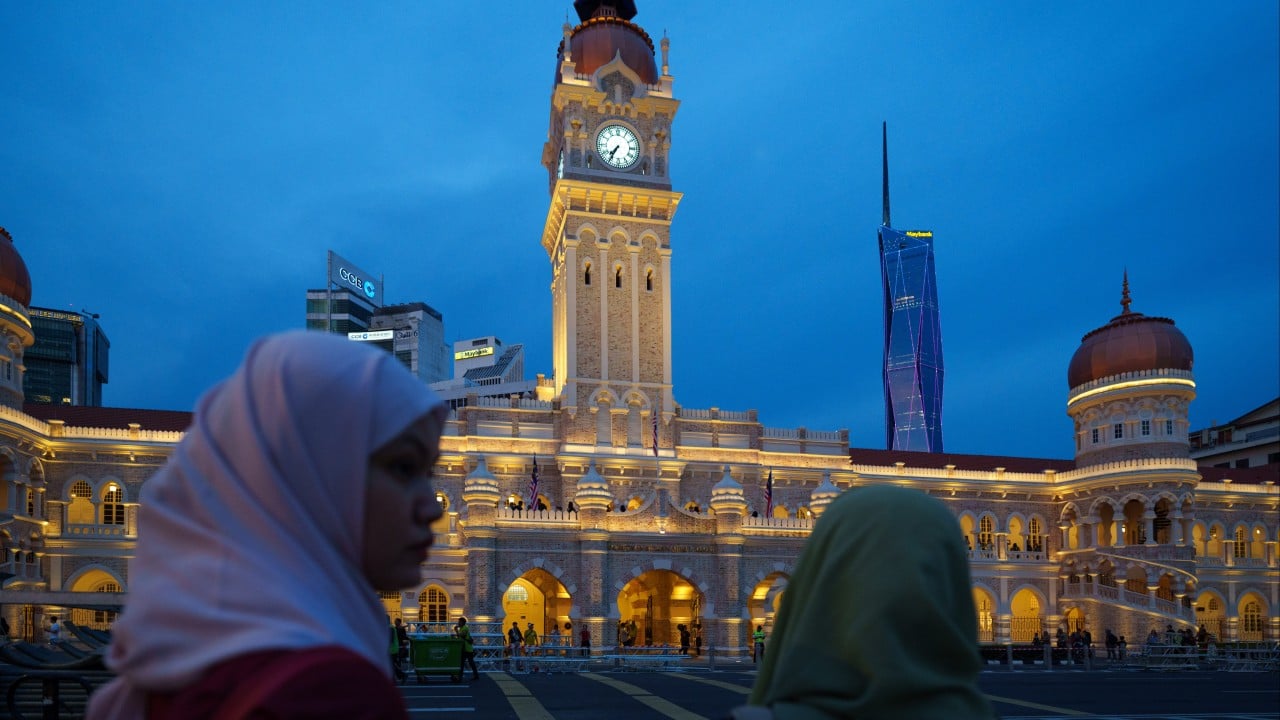
China's growing influence presents a challenge for Malaysia's political landscape, as the Southeast Asian nation contends with domestic tensions and ethnic divisions. A recent Pew Research Center survey found that global perceptions of China have improved, partly due to the belief that President Xi Jinping's administration is more reliable than the U.S. under President Donald Trump.
Malaysia, under Prime Minister Anwar Ibrahim, has emerged as a key partner in Beijing's Global Civilisation Initiative, which promotes a more pluralistic global order rooted in civilisational understanding. However, Anwar's vision faces domestic challenges, as his multi-ethnic governing coalition suffered consecutive defeats in state elections after campaigns dominated by racial and religious appeals.
The politics of race and insecurity proved effective in elections, raising concerns about the economic position of the ethnic Chinese community. Despite these domestic issues, Malaysia's political elite maintains a distinction between domestic political competition and foreign policy strategy. Nevertheless, the complexity of Malaysia's ethnic and cultural identity remains a significant factor in its relationship with China, as the country seeks to build bridges with the Islamic world and advocate for a more multipolar world order.
Written by urgent.news from Reuters Business via SCMP's reporting — not their text. Machine-written — may contain errors; check the original before relying on it.