Why Israel’s upcoming election might be its most pivotal
Why Israel’s upcoming election might be its most pivotal newspress_en Sun, 08/09/2026 - 07:57 Politics Israel is heading into what may be the most pivotal election in its history, but at stake this time isn’t so much its conflict with neighbouring countries or its relations with the Palestinians. The core issue in this vote, slated for 27 October, is whether Israel will remain the liberal…
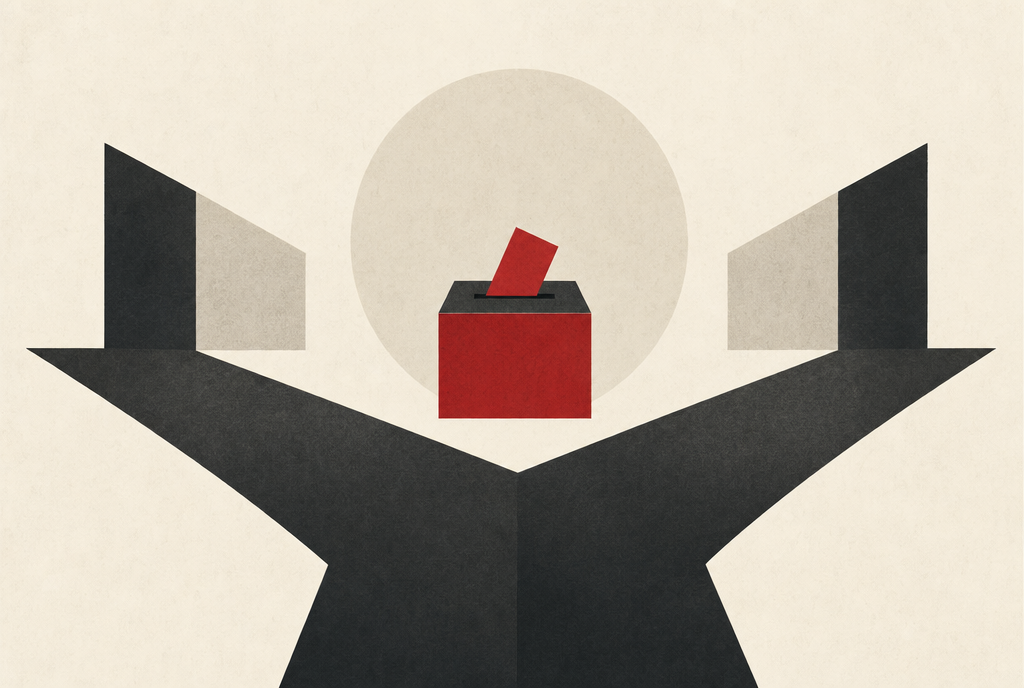
Israel is on the brink of what could be its most crucial election since its inception in 1948, with the outcome potentially determining whether the nation remains a liberal democracy or shifts towards an illiberal regime influenced by Orthodox Judaism. Prime Minister Benjamin Netanyahu, who has led the country for the past 12 years, has taken a significant rightward turn since his return to power in 2022, forming a coalition with far-right and ultra-Orthodox parties.
His government's primary objectives include weakening the independent judiciary and increasing the influence of elected politicians, providing financial and legal support for West Bank settlers, and granting greater privileges to the Haredi community.
The government has also facilitated rising settler violence against Palestinians in the West Bank and attempted to delegitimize opposition parties and government institutions. Netanyahu's approach to politics aims to undermine the opposition and rival groups within his Likud party, including the courts and military. Despite his more coherent public remarks compared to his predecessors, his cabinet ministers and social media presence have been instrumental in implementing his agenda.
The judicial overhaul proposal, a centerpiece of Netanyahu's plans, was never fully implemented as it faced massive protests, court rulings, and the ongoing war following Hamas's October 7, 2023 attack. However, key aspects of the proposal were approved in Knesset in the government's final months. If Netanyahu's government continues to hold power post-election, it will likely remain unconstrained, similar to former US President Donald Trump's actions in his second term.
The parliamentary opposition, comprising leftist, centrist, right-wing parties, and two factions representing the Palestinian minority, has been ineffective in blocking the government's agenda. However, opposition leader Gadi Eisenkot, a former army chief of staff, has gained significant support and is now the frontrunner in the polls, running neck-and-neck with Netanyahu's Likud.
Eisenkot's background as a military veteran from a working-class Moroccan immigrant family and his stance against the government's policies suggest he may appeal to many voters. Yet, the opposition must overcome challenges, such as the possibility of moderate-right voters returning to the Likud. Ultimately, an election victory for the opposition is the only way to prevent Israel from sliding towards illiberal democracy, but it remains to be seen if this outcome is attainable.
Written by urgent.news from Al Majalla English's reporting — not their text. Machine-written — may contain errors; check the original before relying on it.