Vietnam pays the price at home for sending workers abroad
Vietnam’s seafood and garment sectors are facing a labour shortfall even with raised wages, as Hanoi expands a drive to send more workers overseas for higher-paying jobs. The contradiction reflects a broader challenge for the Southeast Asian country as it pushes to move up the value chain while banking on labour migration to generate remittance revenue, analysts say. According to the home…
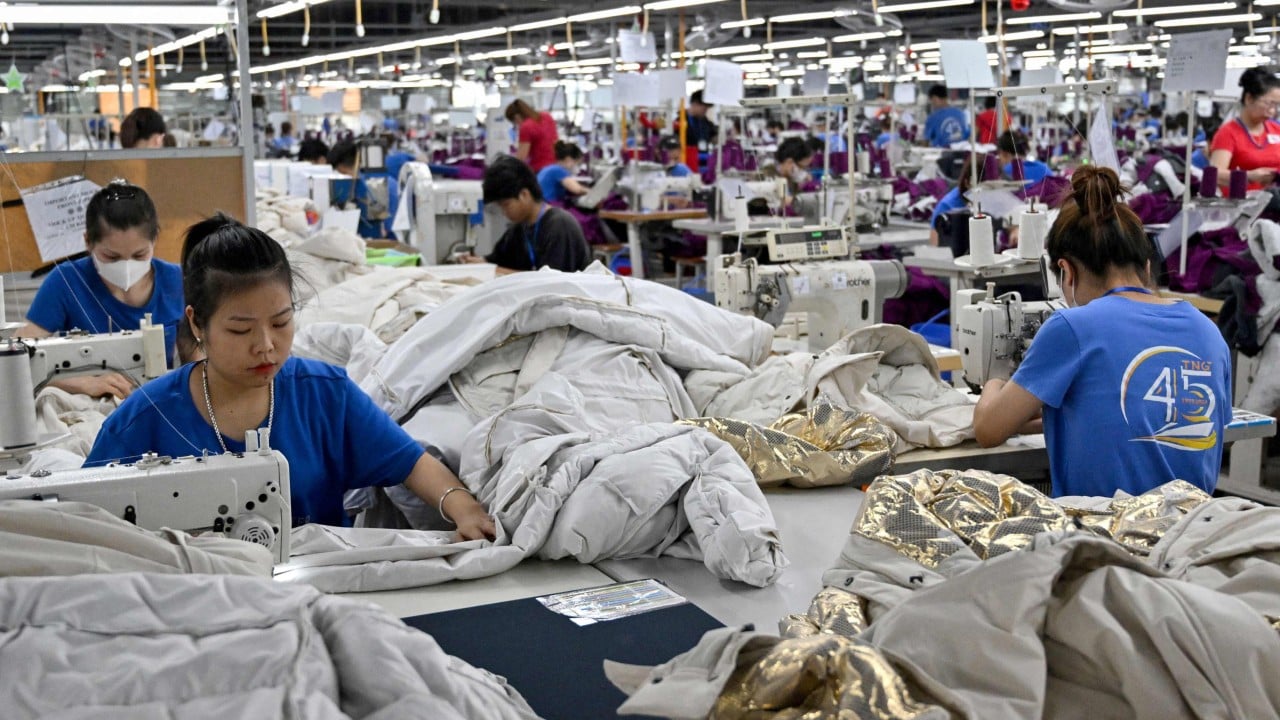
Vietnam's seafood and garment sectors are grappling with a labor shortage despite offering higher wages. The government's push to send more workers overseas for lucrative jobs is exacerbating the issue. Annually, between 130,000 and 150,000 Vietnamese migrate for employment, with nearly 900,000 in total by the end of last year. In May alone, 1,948 Vietnamese sought work in countries such as China, Japan, South Korea, Singapore, and Europe.
According to the Department of Overseas Labour report, remittances from Vietnamese workers abroad range between US$6 billion and US$7 billion annually. However, this migration has led to labor shortages in key regions like the Mekong Delta and Ho Chi Minh City. Even a 25-30 percent salary increase failed to attract adequate labor to these sectors.
The Vietnam Textile and Apparel Association reported fierce competition for labor, citing threats from overseas electronics and machinery producers. Hoang Lan Anh, a labour migration researcher, pointed out that many garment factory workers struggled to meet deadlines or secure new contracts due to a lack of sufficient manpower.
The disparity in wages between provinces and abroad is significant, with those in central Vietnam earning as little as US$200 to US$250 per month, while industrial hub workers make between US$250 to US$350 per month.
For rural migrants from poorer regions, the decision to migrate is often a trade-off between domestic and overseas work. The government primarily views labor exports as a poverty-reduction strategy, providing an avenue for economic security. However, the high wages expected overseas are often diminished by deductions such as taxes, insurance, and housing costs. Furthermore, recruitment and training debts can trap workers in exploitative situations, even if they encounter harassment, unpaid wages, or overworking conditions.
Written by urgent.news from South China Morning Post's reporting — not their text. Machine-written — may contain errors; check the original before relying on it.