The subtle policy shift in Tokyo that has Nagasaki sounding the alarm
While Mayor Suzuki calls nuclear weapons an "absolute evil," Tokyo refuses to commit to long-standing non-nuclear principles.
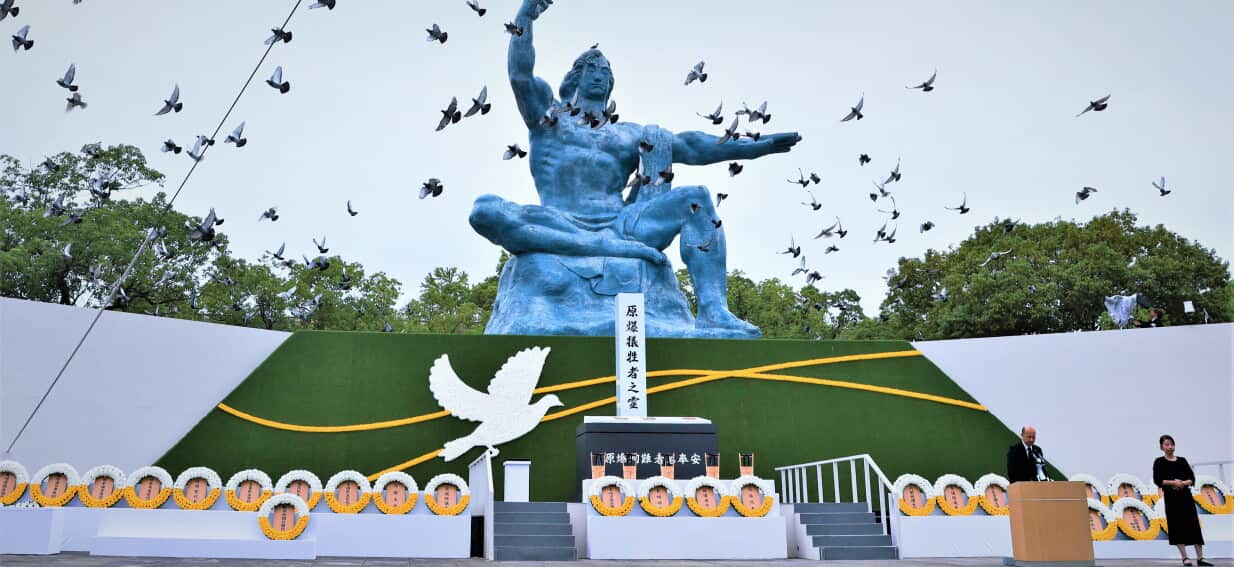
The 81st anniversary of the atomic bombing in Nagasaki has prompted the city's mayor, Shiro Suzuki, to call for the abolition of nuclear weapons, deeming them an "absolute evil" that can never coexist with humanity. Nagasaki's mayor urged the Japanese government to uphold the three non-nuclear principles - not to possess, not to produce, and not to allow nuclear weapons in the country - which were adopted by the Japanese parliament in 1971 but not incorporated into law.
However, Japan's new right-wing leader, Sanae Takaichi, echoed the government's stance without confirming if the principles would persist in the future, stating the government would defend practical measures to achieve a nuclear-free world. The anniversary comes as Japan prepares to review its key national security documents, raising concerns about the future of its nuclear weapons policy.
Defense Minister Shinjiro Koizumi recently called for an open debate on the matter, while doubts persist about the reliability of Japan's main security ally, the United States. Japan has recently lifted its self-imposed ban on weapons exports and increased defence spending, prompting criticism from China, which accuses Japan of "new militarism."
A senior administration official suggested in December that Japan should possess nuclear weapons, leading to widespread condemnation. United Nations Secretary-General António Guterres delivered a strong anti-war message in Nagasaki, urging humanity to live without the permanent threat of nuclear weapons.
Written by urgent.news from SBS News's reporting — not their text. Machine-written — may contain errors; check the original before relying on it.