The little-known environmental risk that could emerge as ships leave the Strait of Hormuz
The accrual of biofouling species on the hulls of ships anchored in the Strait of Hormuz could be the world's next biosecurity problem.
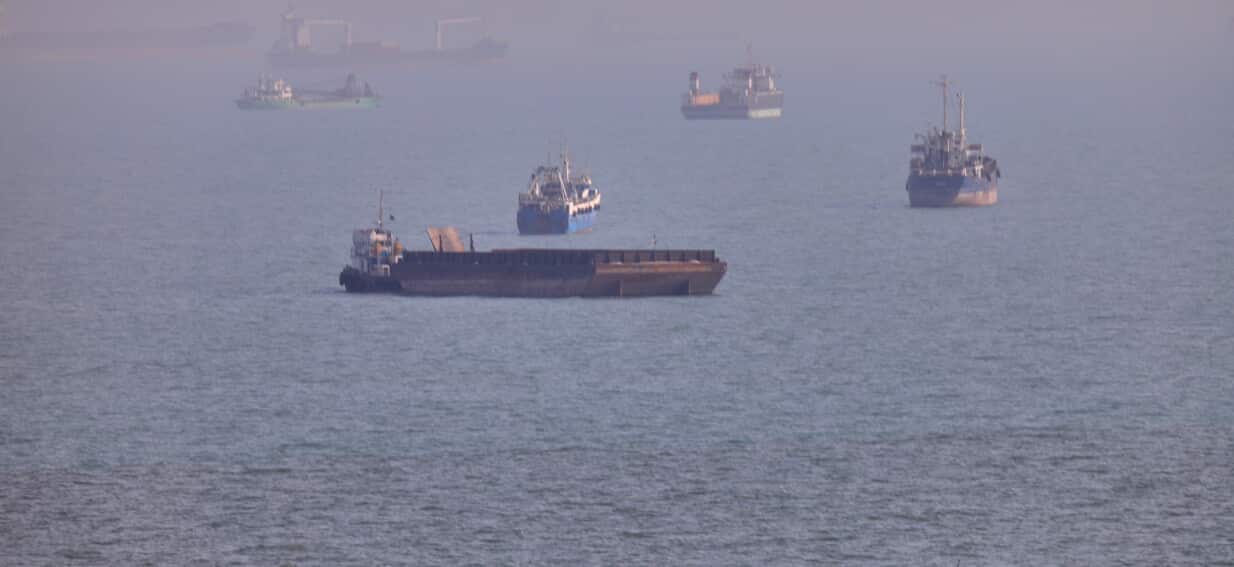
While the closure of the Strait of Hormuz garners significant attention for its economic impacts, a less discussed risk emerges as idle ships accumulate marine biofouling. Our research reveals that over 1,500 vessels moored in the Gulf since February could potentially spread invasive species to ports they visit following reopening.
These alien organisms threaten native ecosystems, wild fisheries, aquaculture, and coastal industries, leading to environmental damage and economic losses. Although not the first time shipping disruptions have caused biofouling in idle vessels, the Strait of Hormuz's unique status as a choke point with no alternative routes amplifies this risk.
With only four choke points lacking alternatives, significant disruptions can occur due to conflicts, terrorism, piracy, or intentional layups. The global commercial fleet often experiences mass layups for various reasons, including economic downturns, seasonal market dynamics, and maintenance needs. When vessels leave these locations, they transport biofouling species to new regions, potentially introducing invasive species to previously unaffected areas.
The Persian/Arabian Gulf already hosts more than 50 marine non-native species, and numerous introductions have occurred globally. While New Zealand and Australia, not anticipating a large influx of stranded vessels initially, still implement robust biosecurity measures. Their strong regulatory frameworks, including early detection and rapid response capabilities, enable them to address biofouling risks effectively.
However, managing biofouling on vessels that briefly visit the Strait of Hormuz remains a challenge. Global cooperation is essential to mitigate the environmental, economic, and social impacts of marine biological invasions.
Written by urgent.news from SBS News's reporting — not their text. Machine-written — may contain errors; check the original before relying on it.