PH’s biggest problem is the economy and great expectations
PH’s core liability is that voters feel squeezed by stagnant wages and rising costs while believing the coalition has lost sight of its Reformasi agenda.
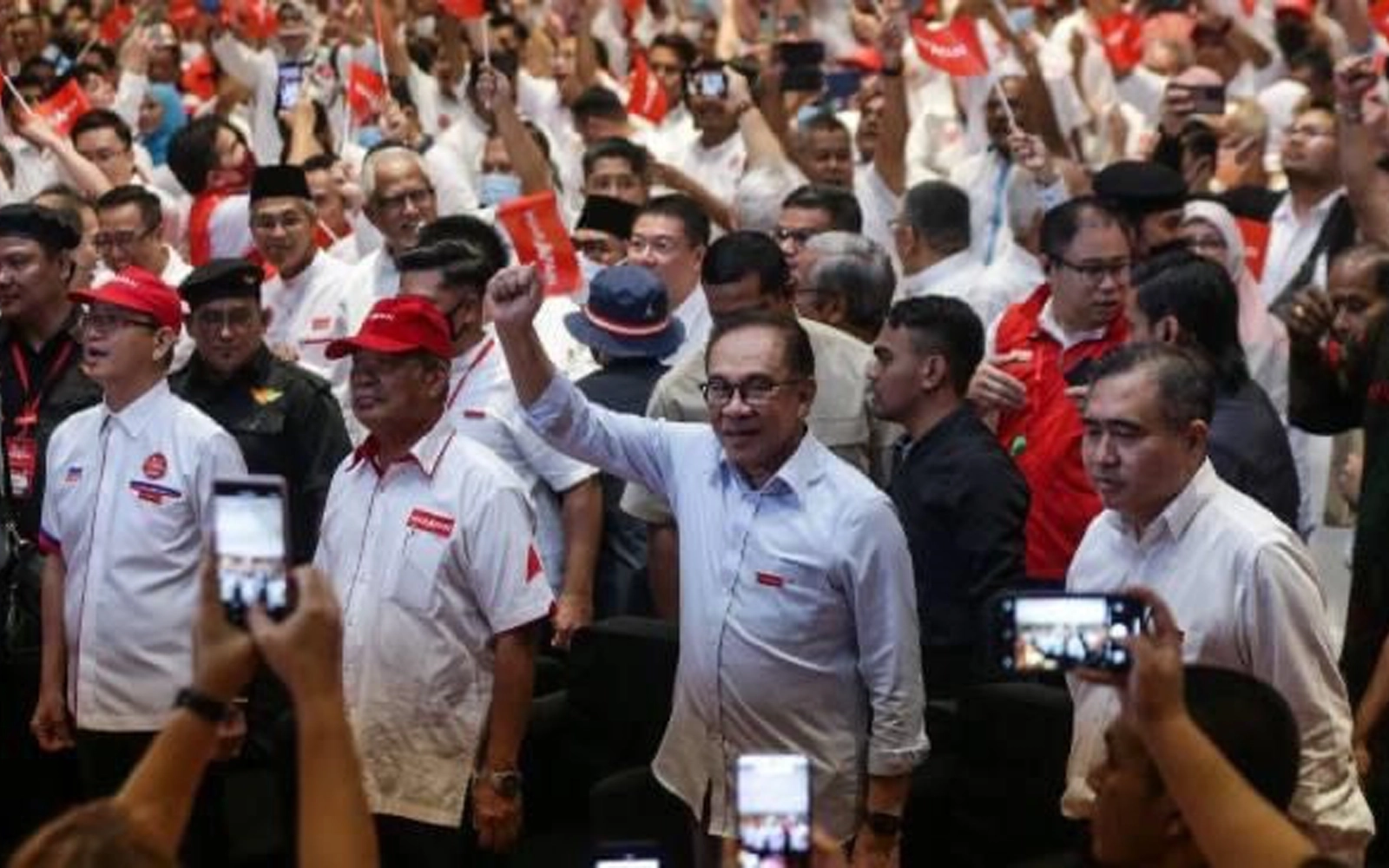
The biggest obstacle for Malaysia's ruling coalition, Pakatan Harapan (PH), is their economic predicament and the high expectations placed upon them. Post-election analyses frequently blame social media, racial politics, misinformation, or ineffective communication, but these factors do not capture the core issue. PH is grappling with both an unfavourable economic climate and a dwindling perception of its unique status within Malaysian politics. These structural and political problems have transformed into a significant electoral liability.
Political scientists have noted the tendency of voters to judge governments based on their current living conditions rather than the policies they implemented. As wages have not kept pace with inflation, cost of living has risen, and employment opportunities have shrunk, incumbent governments have been blamed for the economic hardships of the populace.
This phenomenon has played out in various democratic nations such as Britain, Japan, Germany, South Korea, and the United States, with declining support for ruling coalitions due to deteriorating economic conditions.
Malaysia is not immune to this trend. Regardless of the ruling coalition—whether it be PH, Barisan Nasional (BN), or the National Front (PN)—any administration would confront this issue. The country's problems, such as low wage growth relative to productivity and its status as a middle-income nation reliant on low-value-added industries, had already emerged before the current administration took office.
While the present government has made commendable efforts to enhance fiscal discipline, streamline subsidies, and bolster long-term resilience, voters are more concerned with their immediate financial struggles than with the government's purported economic stewardship.
In addition to the economic challenges, PH has been criticised for its commitment to moral and institutional renewal. Anwar Ibrahim and the Reformasi movement had argued that deeper problems within Malaysia were not solely economic but also institutional, stemming from corruption, patronage, and weakened public institutions. This reform agenda was not just a moral imperative but also an economic necessity.
However, implementing such reforms can have political ramifications, as they often bring short-term discomfort and do not yield immediate results. For families struggling with mortgages and rising grocery costs, institutional reforms may seem distant from their day-to-day challenges. Voters respond more to visible outcomes than to long-term development.
PH's attempts to defend questionable institutional figures and make concessions on politically charged legal matters have further eroded the coalition's image of being fundamentally different from previous administrations. The credibility of Reformasi is under strain as compromises begin to blur the line between principle and expediency.
While coalition politics often necessitates compromise, the coalition's success hinges on the ability to deliver tangible results. If economic reforms do not lead to noticeable improvements in wages and living standards within a reasonable timeframe, and if political compromises undermine the moral authority that once set PH apart, voters may lose patience and turn to alternative options.
Thus, PH's predicament cannot be solved solely through better messaging; economic improvements and political integrity are equally crucial.
Written by urgent.news from Free Malaysia Today's reporting — not their text. Machine-written — may contain errors; check the original before relying on it.
Also reported by 1 other outlet
- PH’s biggest problem is the economy and great expectations freemalaysiatoday.com