Pakistan, Saudi Arabia, and Turkey sign defence pact: What its text and subtext reveal
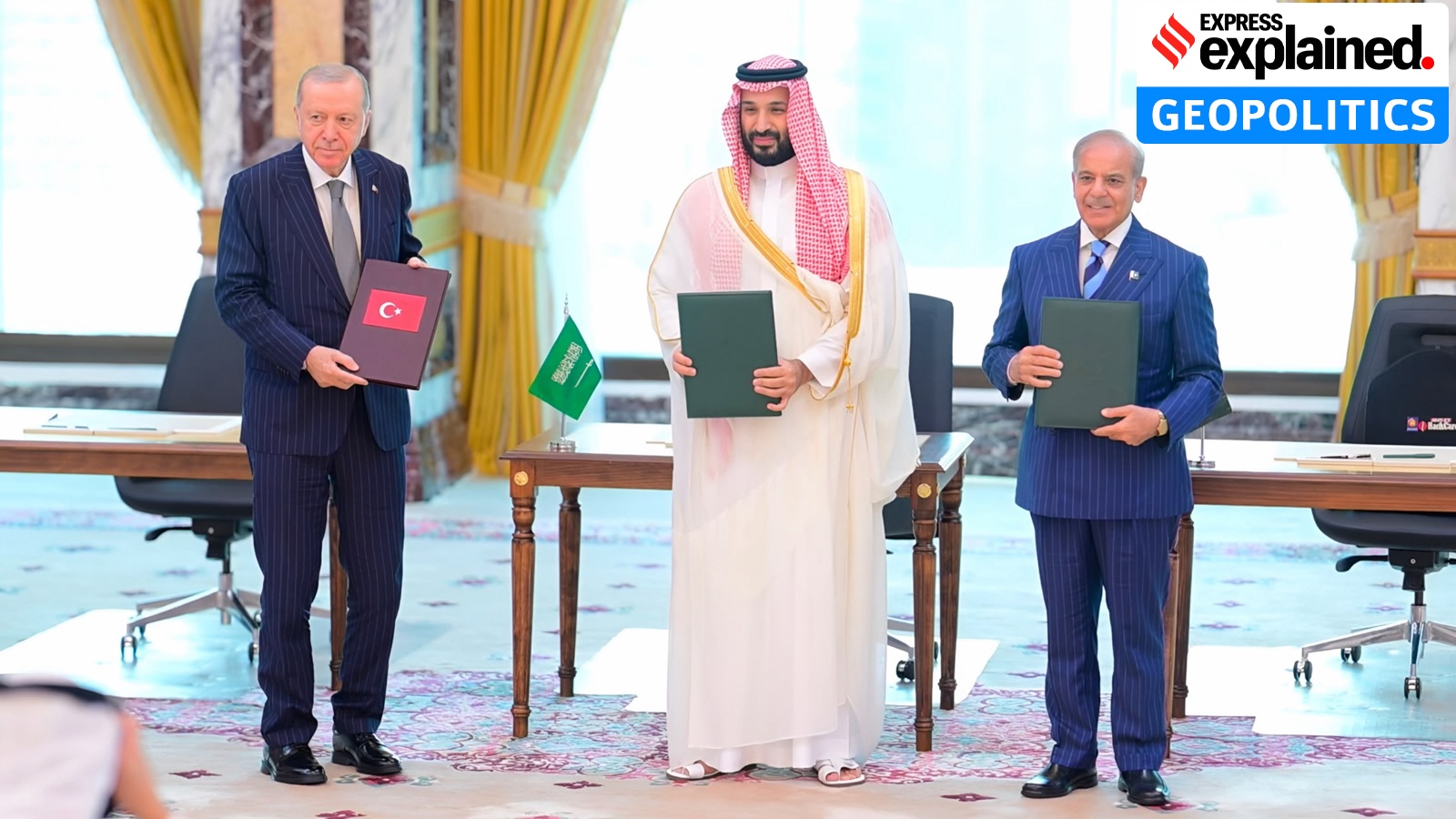
On August 7, Saudi Arabia, Pakistan, and Turkey unveiled the Mecca Agreement, a defense pact that aims to bolster collective deterrence against aggression. The agreement stipulates that any armed attack against one of the three parties will be considered an attack on all three. The non-disclosure of specific details in the agreement has led to speculation about its intentions and implications.
While the pact emphasizes shared defense responsibilities, its effectiveness is limited by its secretive nature and the absence of clear hierarchical measures typically found in similar pacts. The historical context reveals that such agreements often provide clear indicators to potential adversaries of mutual defense commitments, a factor that the Mecca Agreement currently lacks.
Additionally, the pact's credibility hinges on how its member states respond to actual attacks. The Saudi-Pakistan Strategic Mutual Defense Agreement, an earlier example, faced challenges when the first year of its activation coincided with missile attacks from Iran and the Houthis, with neither Saudi Arabia nor Pakistan taking defensive action.
The Mecca Agreement is primarily seen as a strategic move for Saudi Arabia, aiming to bolster its military industrial capacity. China and Turkey, leveraging their military manufacturing strengths, are positioned to benefit from this arrangement. While the agreement's deterrent potential is uncertain, it is likely designed to counter perceived threats from Israel and Iran, with Turkey viewing Israel as a greater security risk than Iran.
Written by urgent.news from The Indian Express's reporting — not their text. Machine-written — may contain errors; check the original before relying on it.
This story
This is one outlet's version. Read the fullest account.