Nvidia CEO's joke on parenting that created a heated debate over Asian parenting
Nvidia CEO Jensen Huang's joke about strict Asian parenting sparked a wide public discussion. His upbringing instilled humility and resilience, fostering a focus on continuous improvement. Supporters highlight his success as proof of this parenting approach's effectiveness. Critics argue this model can cause lasting emotional harm despite good intentions. The debate continues regarding the…
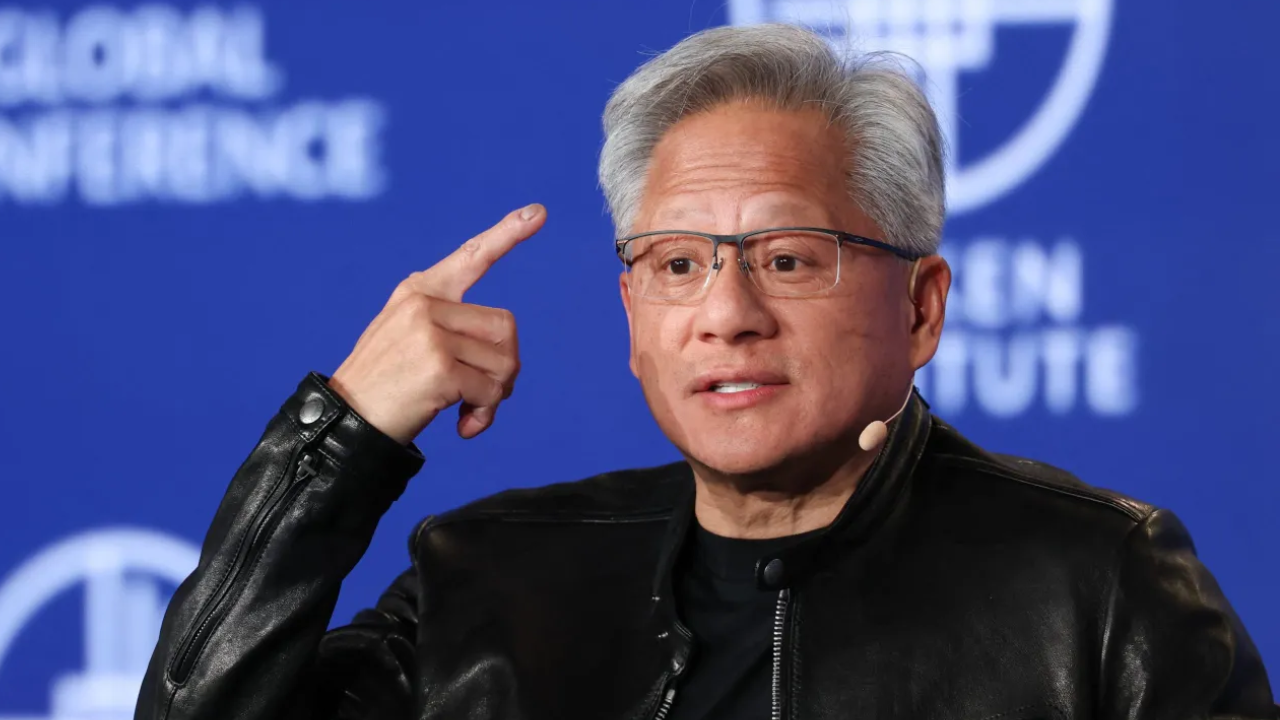
Nvidia CEO Jensen Huang's lighthearted comment about the necessity of therapy for life after being raised by strict Asian parents has sparked a heated debate regarding parenting styles. During a recent public event, Huang made the joke, "Once you’ve been raised by Asian parents, you need therapy for life," explaining that his parents were "classic Asian parents" who constantly pushed him to improve without offering much praise.
Huang emphasized that the upbringing not only imparted humility and resilience but also helped him accept criticism and persevere in the competitive tech industry. He explained that his father, at the age of 63, continues to give him suggestions, demonstrating how deeply rooted this style of parenting is. Huang stressed that he never saw criticism as discouragement but rather as a form of love and belief in his potential.
The comment quickly gained traction online, igniting a passionate discussion, particularly within the Asian and Asian-American communities. A report from China Daily indicated that Huang made the remark just a day before China’s college entrance exam, the gaokao, adding extra weight to the conversation. Supporters of Huang's viewpoint argue that his success is evidence that the rigorous approach works, as it instilled resilience, humility, and a hunger for learning in him.
However, critics argue that the 'never good enough' model of parenting can have lasting emotional impacts, even when well-intentioned, and that Huang's own joke undermines the notion of this upbringing as an ideal.
Written by urgent.news from Times of India's reporting — not their text. Machine-written — may contain errors; check the original before relying on it.