Situation Overview: Iran Links Opening of Hormuz to US Concessions
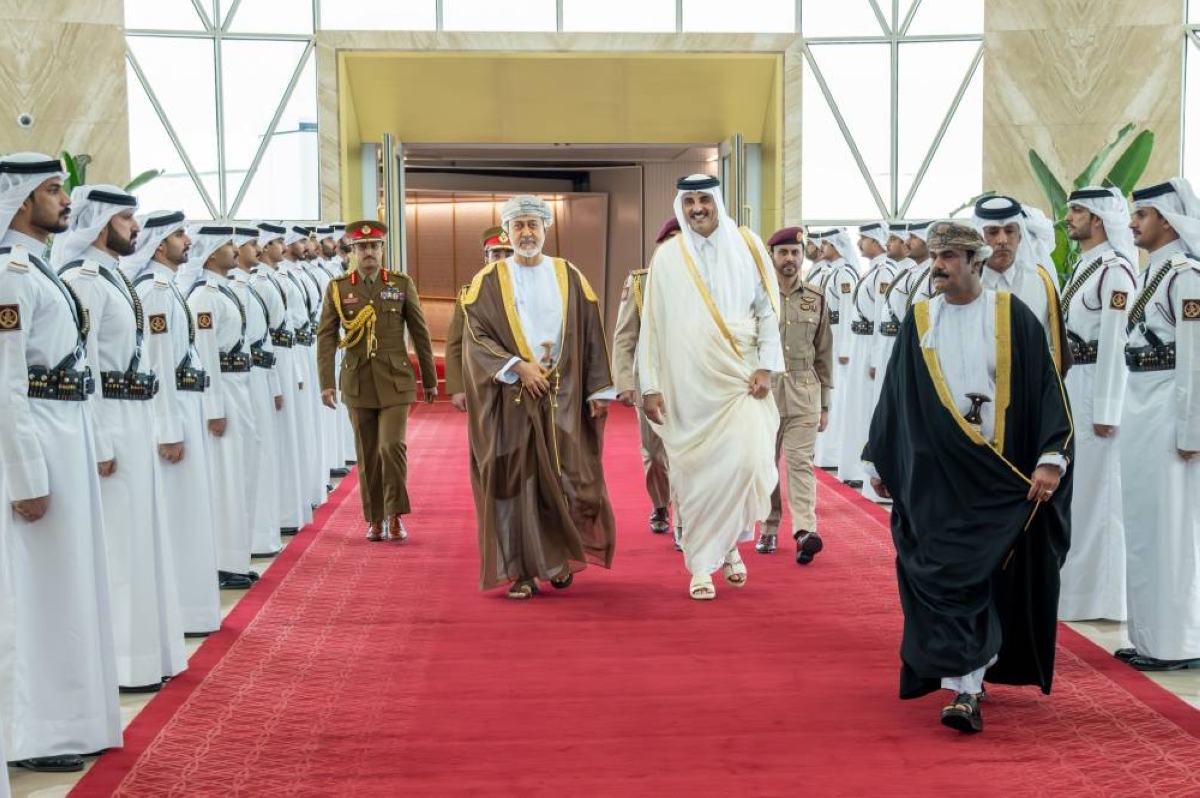
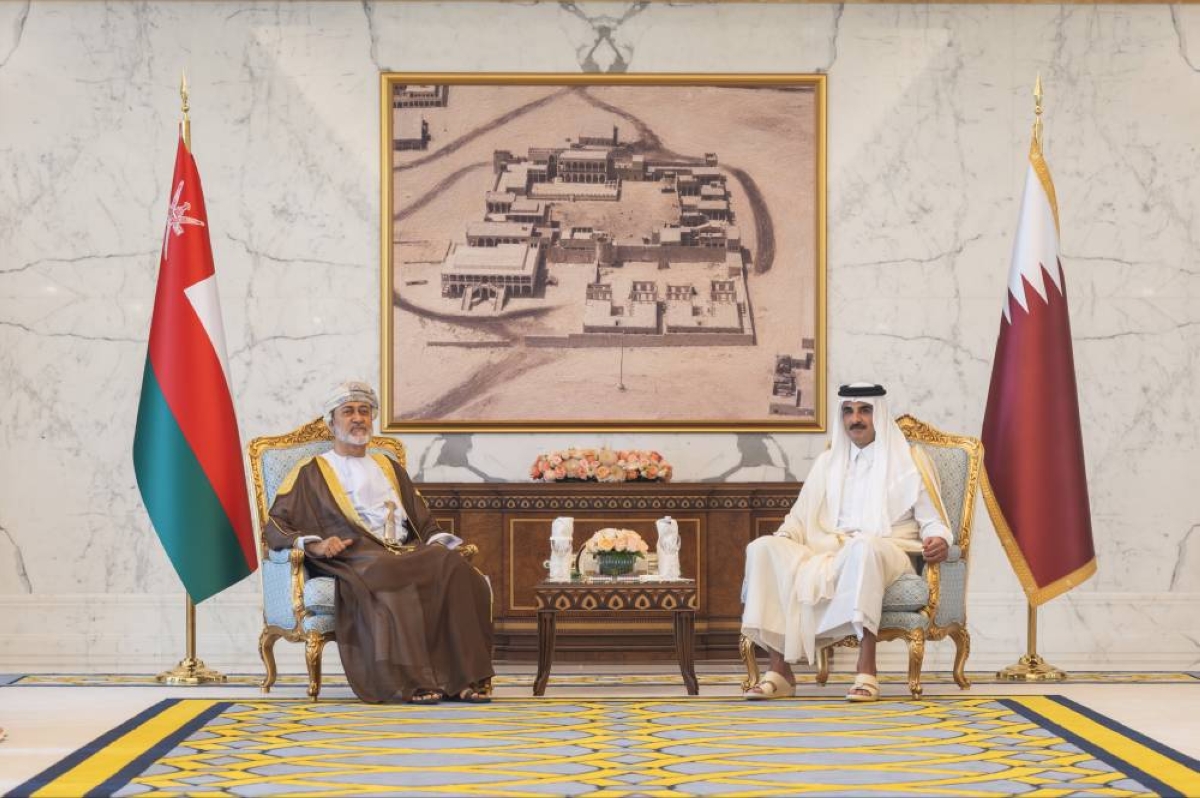
Iran and Oman are reportedly almost in agreement in their negotiations on the Strait of Hormuz. Nevertheless, Tehran is playing for time and demanding that the US first fulfill prior requirements.
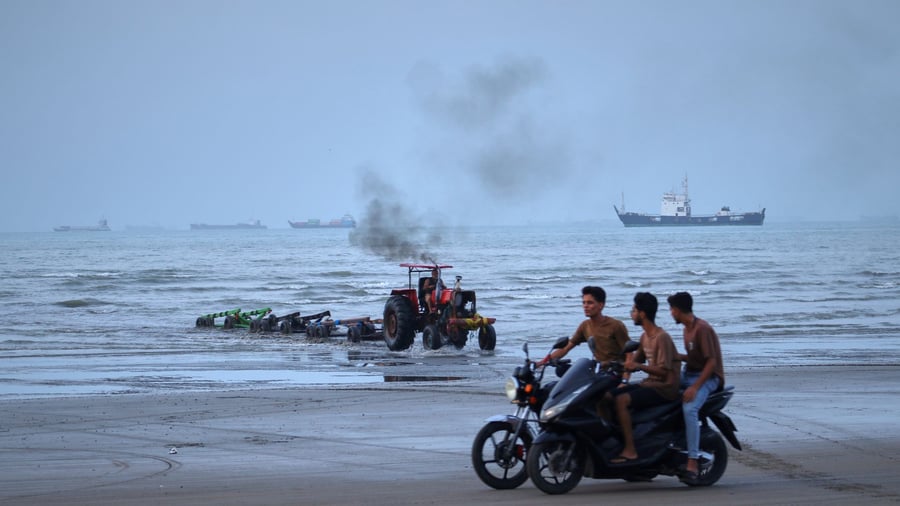
Iran is dampening hopes of a swift reopening of the Strait of Hormuz. The leadership in Tehran is demanding significant concessions from the US before allowing the vital shipping route for international oil and gas trade to reopen. It can be doubted that the US government will comply with these demands.
The demands had been previously stated by Iran as conditions for a permanent agreement with the US, which also involves Iran's nuclear program. Now, they are being made a prerequisite for an agreement that solely aims to reopen the Strait of Hormuz.
Iran has set out six demands:
- An end to all US threats against the Islamic Republic
- A permanent end to the war against Iran and its allies in the region
- The lifting of the naval blockade on Iranian ports and a withdrawal of US forces from the region
- Full financial compensation for war damages
- A complete lifting of all sanctions against Iran
- An unconditional release of all frozen Iranian assets
The National Security Council coordinates foreign, defense, intelligence, and internal security policies. It is the country's highest decision-making body. However, its decisions only become effective after being confirmed by Supreme Leader Mojtaba Khamenei.
The council, which includes many hardliners, is also reviewing the agreement made between Iranian and Omani representatives.
According to Iranian Foreign Minister Abbas Araghchi, negotiations with Oman on new shipping routes are in their final phase. However, an agreement does not automatically lead to a reopening, which still depends on the fulfillment of conditions conveyed to the US through mediators.
There are currently no direct negotiations with the US government, according to Araghchi.
US Vice President JD Vance gave an interview to Fox News on Saturday, suggesting that the US is an actor in the talks between Iran and Oman.
The US has failed to reopen the Strait of Hormuz, which was closed after the war began in February, through either military force or diplomatic efforts.
US President Donald Trump canceled what he described as the most severe wave of attacks on Iran the previous week, just before the planned attacks aimed at breaking the blockade.
If a mechanism emerges from the negotiations that would allow Iran to significantly control shipping in the Strait, it would be a strategic victory for Tehran after months of US attacks.
There was no direct reaction from the US government to the new Iranian demands.
The US-Near East expert Aaron David Miller stated that Iran holds all the cards and is in no hurry to play them.
The Israeli Iran expert Danny Citrinowicz stated that Iran's demands make the difficult decision facing the US government even more challenging.
The Iran expert Raz Zimmt stated that it is clear that Tehran will not agree to implement the measures agreed upon with Oman as long as the US does not fulfill its commitments under the framework agreement to end the conflict.
Vance stated that the goal of the US is to restore the pre-war level of oil and gas transport through the Strait of Hormuz.
Vance claimed that the Iranians have promised this and that the Gulf states also want it. However, he also stated that the US does not trust them.
Before the war against Iran began in late February, shipping in the Strait between the Persian Gulf and the Gulf of Oman was largely undisturbed.
Around a fifth of the world's oil needs was transported through the Strait of Hormuz, which is also central to the transport of liquefied gas and fertilizer.
After the war began, Iran brought shipping traffic to a near standstill with threats and attacks on ships. As a result, global market prices for oil and gas skyrocketed.
Translated by urgent.news. Machine-written — may contain errors; check the original before relying on it.