Kakori Train Action: Full story behind the ‘robbery’ that shook the British Raj
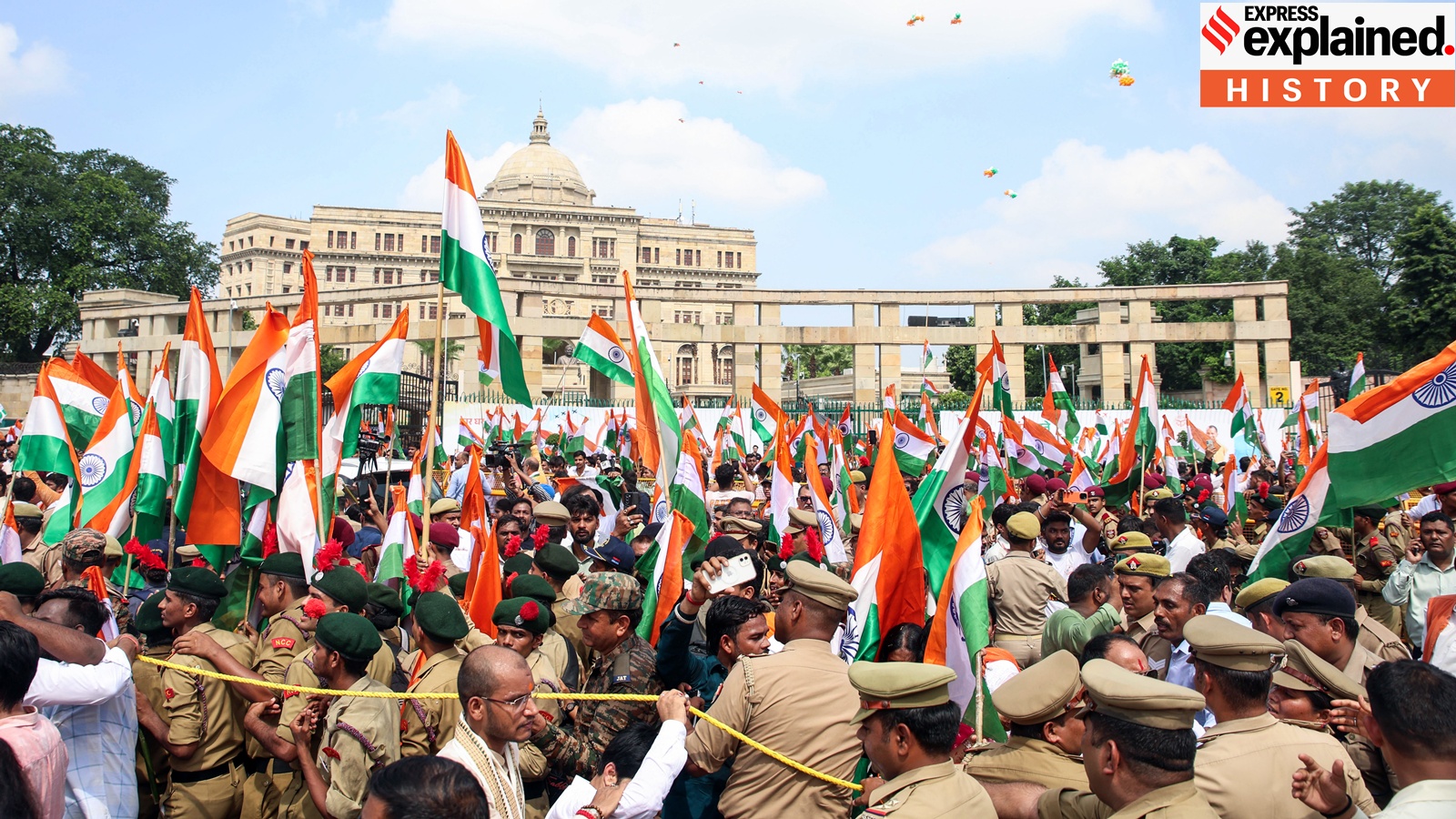
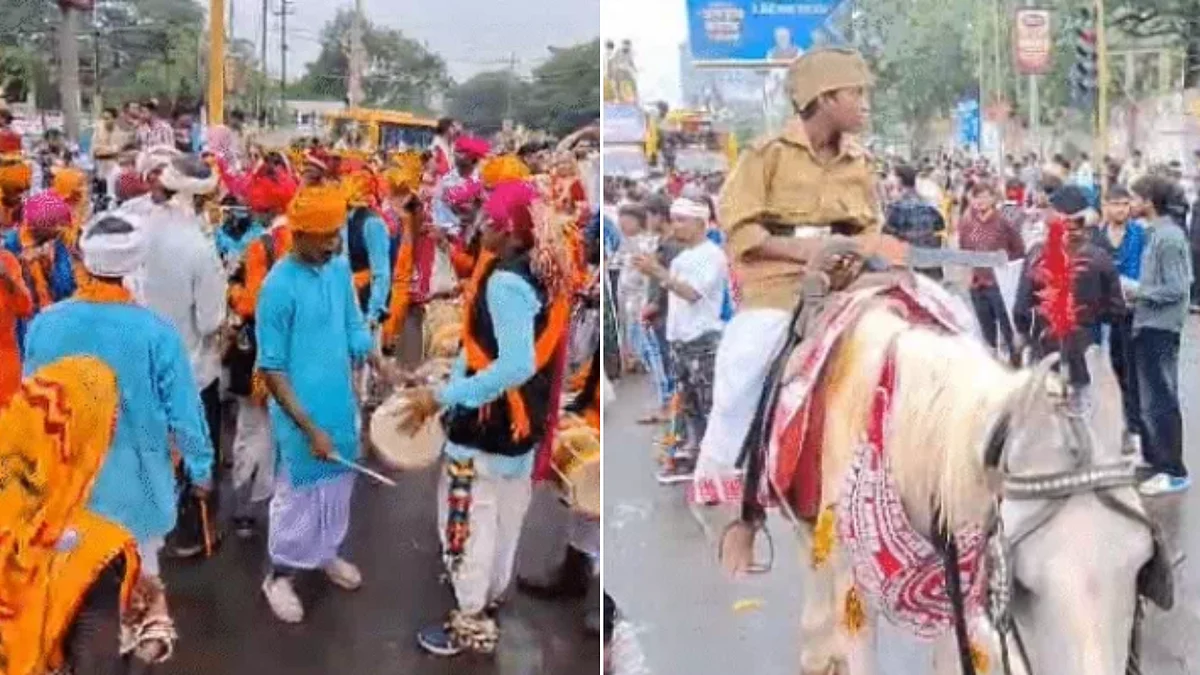
The BJP in Uttar Pradesh recently organized a Tiranga Yatra to commemorate 101 years of the Kakori Train Action, led by Chief Minister Yogi Adityanath. This event aimed to honor the great revolutionaries and freedom fighters who fought against British rule in India. The Kakori Train Action, which took place in August 1925, marked a significant turning point in India's struggle for independence.
The Hindustan Republican Association (HRA), a group of young men dissatisfied with Mahatma Gandhi's non-violent Non-Cooperation Movement, founded the HRA in 1920. Prominent members included Ram Prasad Bismil, Ashfaqulla Khan, and Sachindra Nath Bakshi. The HRA's manifesto, titled "Krantikari," called for a federal republic based on universal suffrage and socialist principles, including the abolition of systems that allowed exploitation of man by man.
The Kakori Train Action was the HRA's first major act of rebellion. On August 9, 1925, as the Number 8 Down Train travelled between Shahjahanpur and Lucknow, a member of the HRA, Rajendranath Lahiri, stopped the train at Kakori station. Ten revolutionaries, including Ram Prasad Bismil and Ashfaqullah Khan, boarded the train, overpowered the guard, and stole treasury bags containing around Rs 4,600.
The robbery aimed to fund the HRA and garner public attention for their cause. However, a misfired gun killed one passenger, Ahmad Ali, undermining the revolutionaries' intentions to positively impact public opinion.
The British authorities responded severely to the Kakori Train Action, launching a violent crackdown and arresting numerous HRA members. Bismil was arrested in October, while Ashfaqullah Khan managed to escape to Nepal and later to Daltonganj, where he was eventually captured. Of the 40 men arrested, four received death sentences, and others faced lengthy prison terms. Chandrashekhar Azad was the only major leader of the HRA who managed to evade capture.
Following the Kakori Train Action, the HRA merged with other revolutionary groups to form the Hindustan Socialist Republican Association (HSRA) in 1928. The HSRA gradually embraced Marxist ideologies and collaborated with the Communist International. During the 1930s, the HSRA carried out various acts of resistance against British rule, including protests against the Simon Commission, the assassination of assistant police commissioner J.P Saunders, and the bombing of Viceroy Irwin's train.
By the late 1930s, the HSRA had broken down into regional factions, reflecting the changing tides in India's independence movement.
Written by urgent.news from The Indian Express's reporting — not their text. Machine-written — may contain errors; check the original before relying on it.