Jongno District's new strategy: Legalizing unpermitted homes to save hanok
In Jongno District, the historical heart of Korea’s capital, centuries-old heritage lives alongside the messy realities of modern urban living. High-rise office towers share narrow alleyways with sprawling neighborhoods of hanok — traditional Korean houses. Reconciling urban regulation with the preservation of these architectural treasures has long presented a challenge for municipal authorities.…
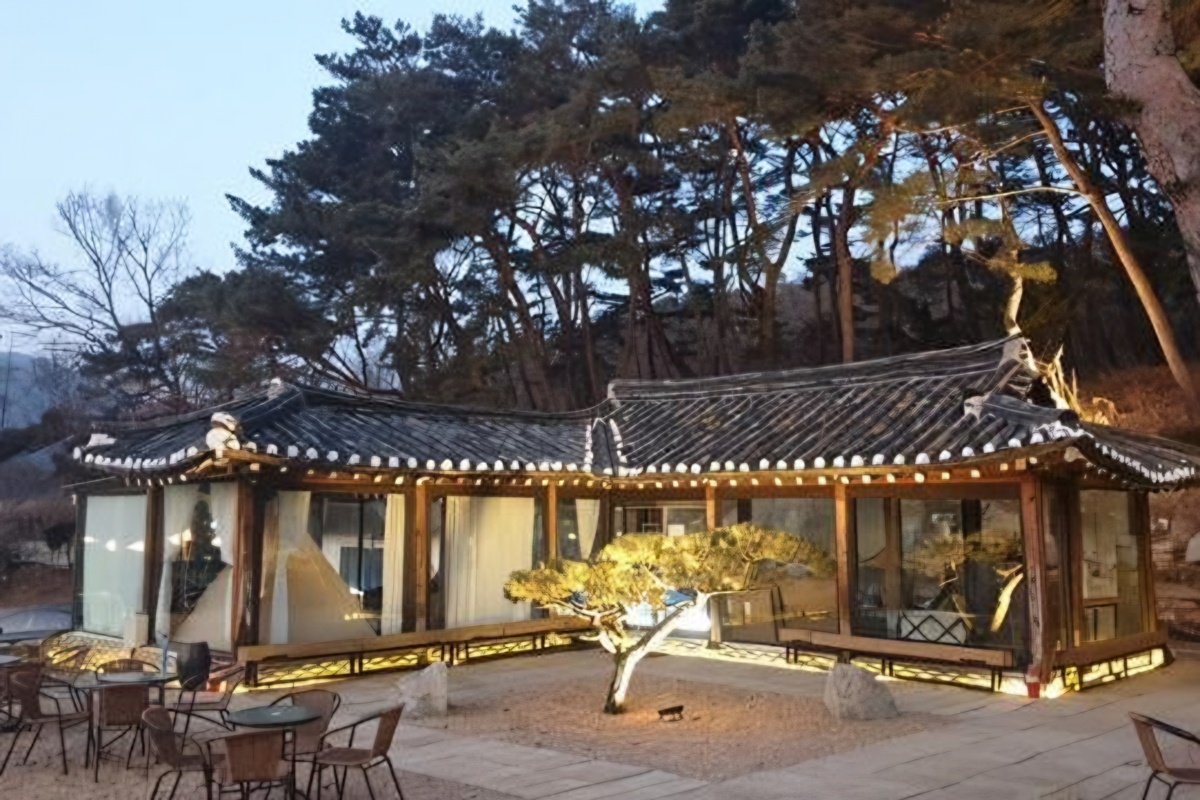
In the heart of Korea’s capital, Jongno District, ancient architecture intertwines with the necessities of contemporary living. Modern skyscrapers nestle within the narrow lanes flanked by traditional Korean houses, known as hanok. Balancing the need for regulation with the conservation of these historic structures has proven a persistent challenge for city officials.
Jongno District recently launched a significant initiative to bridge this gap between safety and historical preservation. Mayor Yoo Chan-jong unveiled a pioneering collaboration with the Jongno Association of Architects to facilitate the legalization of buildings that currently flout building codes, all while safeguarding and expanding the district’s famed hanok landscape.
The project is anchored by the establishment of a dedicated Unsanctioned Building Support Center within the Jongno District Office. Planned ahead of a forthcoming national legislation slated for December 17, the center will serve as a direct liaison between seasoned architects and property owners. Its dual mission is to assist residents in safely making their non-permitted structures compliant with regulations and to aid in the preservation and growth of the district’s iconic hanok heritage.
Written by urgent.news from The Korea Times's reporting — not their text. Machine-written — may contain errors; check the original before relying on it.