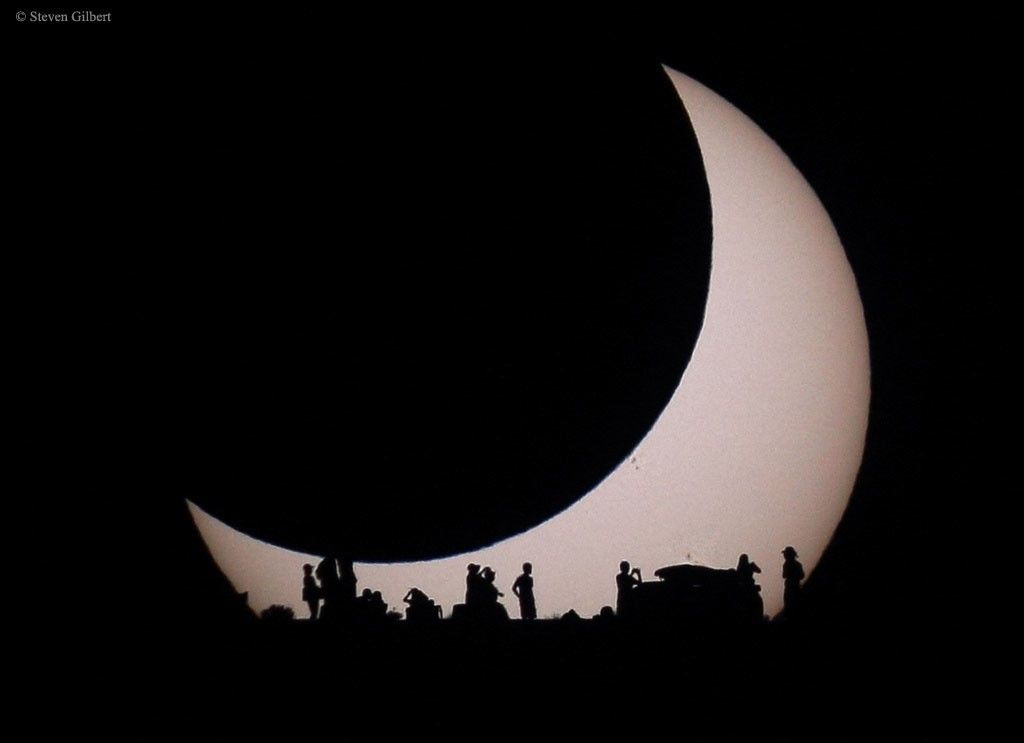
‘It’s very moving’: The growth of dark sky tourism in Ireland as enthusiasts prepare for solar eclipse
There are hopes that more sites will soon push for dark sky status in Connemara, Wicklow, Donegal and west Cork
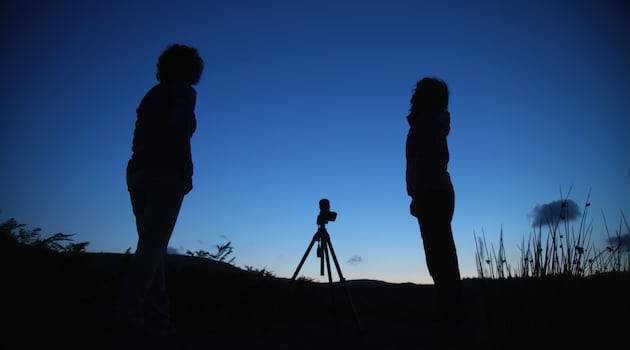
A rare total solar eclipse is set to occur near Ireland on Wednesday, August 12. While Spain will be the primary destination for astronomy enthusiasts, the event will also be visible in Greenland, Iceland, Russia, and a small section of Portugal. In Ireland, the phenomenon will manifest as a partial eclipse, providing a rare and unique experience for locals and visitors alike.
The event will commence shortly after 6pm, with the maximum coverage of the Sun predicted around 7pm, before the Moon departs the solar surface by about 8pm. Ireland's western and southern regions can anticipate up to 98% coverage of the Sun, while the eastern and northern parts will witness approximately 94% coverage.
Professor Peter Gallagher, Director at the Dublin Institute for Advanced Studies (DIAS) at Dunsink Observatory, emphasized that this eclipse will be a one-in-a-lifetime event, as the next such occurrence in Ireland isn't expected until 2090. In contrast, the last significant eclipse visible in Ireland took place in 1999. To capture high-resolution images of the solar corona, Gallagher will join a team aboard an Irish Air Corps plane flying 400km off the west coast during the eclipse, utilizing an Italian-made solar telescope. NASA will also partake in similar observations above the north Atlantic Ocean, west of Iceland.
Numerous public events have been organized across Ireland to witness the eclipse, with observatories at Dunsink, Armagh, and Blackrock Castle in Cork leading the charge. Additional viewing events will also take place at Maynooth University, Queen's University Belfast, and Dublin's Phoenix Park. However, many of these events have already reached capacity, so prospective attendees are advised to verify availability before traveling.
Safety remains paramount during the eclipse, with the public cautioned against using sunglasses or binoculars to observe the Sun, as this could cause irreversible damage to the eye's retina. Certified eclipse viewers or glasses can be procured from various retailers and the organizations organizing official viewings. Dr. Emma Whelan, Associate Professor at Maynooth University's Department of Physics, anticipates an unprecedented level of interest in this event, noting that Maynooth University's 450-ticket public viewing has sold out, with a lengthy waiting list.
She stressed the importance of using specialized glasses and filters to prevent eye damage, as the Sun's radiation will remain potent despite the eclipse. Describing the eclipse experience, Whelan explained that the event will occur close to sunset, leading to a significant darkening and hush as the Moon obscures the Sun.
Written by urgent.news from RTE News's reporting — not their text. Machine-written — may contain errors; check the original before relying on it.
This story
This is one outlet's version. Read the fullest account.