Inside Iran’s Hormuz strategy: Keep Trump from walking away
Dubai: Iran’s refusal to reopen the Strait of Hormuz is increasingly about more than ships, tolls or navigation rights. Tehran appears determined to hold on to its most powerful bargaining chip until US President Donald Trump delivers on commitments Washington made under a June 17 memorandum of understanding, according to analysts cited by The New York Times . Will Trump meet Iran’s latest price…
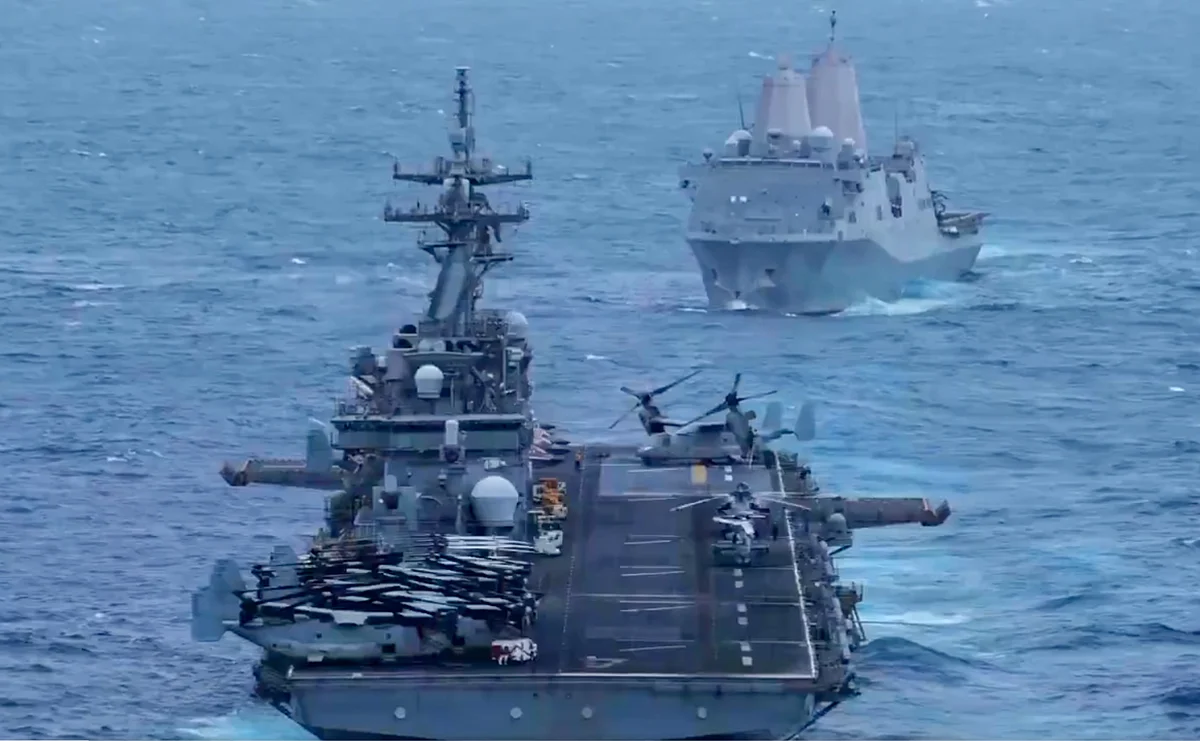
Tehran's stance regarding the Strait of Hormuz extends beyond maritime restrictions and financial considerations. Iran's intent is to retain its most potent bargaining chip until US President Donald Trump adheres to commitments outlined in a June memorandum of understanding, according to experts cited by The New York Times. The question now arises: Will Trump meet Iran's latest demands to reopen the Hormuz Strait?
This reason underscores why Iran persists in keeping the critical energy pathway largely sealed, even as parallel discussions with Oman regarding shipping conditions near completion. Most of the stipulations Iran presented on Saturday for Hormuz's reopening parallel those from the June agreement with Washington. Iranian security chief Mohammad Bagher Zolghadr underscored the US lifting of its naval blockade and sanctions on Iranian oil and petrochemical exports, the release of frozen Iranian assets, the withdrawal of US forces from Iran's vicinity, and cessation of attacks on Tehran and its regional allies as prerequisites.
The Hormuz deal, however, carries an added demand: Iran seeks compensation for damage caused during the conflict. The Iranian perspective, as per analysts, is pragmatic: As soon as Hormuz's full reopening occurs, Iran risks relinquishing the leverage that could compel Trump to fulfill the remainder of the deal. What makes Hormuz crucial to Iran?
Esfandyar Batmanghelidj, founder of the Bourse & Bazaar Foundation, conveyed to The Times that Iran seeks economic restitution for reconstruction before relinquishing control over the waterway. "Iranian officials worry that if the strait opens, Trump would abandon this conflict without feeling compelled to resolve it," he stated.
Iran perceives the Hormuz Strait as a path to victory "They view the strait as a commitment mechanism to ensure Trump implements the various provisions of the MOU." Iran's prerequisites for reopening the Hormuz Strait End US naval blockade: Iran demands restrictions around its ports be lifted. Sanctions relief: Tehran seeks relief from sanctions, particularly impacting oil and petrochemical exports.
Access to frozen assets: Iran wants access to frozen overseas assets restored. US military withdrawal: Tehran has demanded the removal of US forces from Iran's surroundings. Cease attacks: Iran seeks an end to attacks against itself and its regional allies. War compensation: Tehran is also seeking reparations for wartime damage – the significant condition absent from the June memorandum.
The key differentiation lies in the Oman deal: It pertains to the practical arrangements for shipping through Hormuz. Iran's deal: It dictates the full reopening of the Strait. Iran's leverage: Maintaining Hormuz restricted until Washington delivers. By keeping Hormuz largely closed, Iran also exerts pressure beyond Washington. Elevated energy prices affect global countries, while Gulf states dependent on the strait for exports have a strong incentive to encourage the US and Iran to reach an agreement.
Iran states that talks with Oman are near completion, but reopening hinges on US action. Ali Vaez, Iran project director at the International Crisis Group, described Hormuz as a "sword of Damocles over Trump." "Iran aims to capitalize on benefits without ceding its main leverage, which is Hormuz," Vaez commented. However, is Iran close to an agreement with Oman?
Yes, but their distinction remains significant. Iran and Oman are nearing finalization of negotiations over the operational arrangements for traffic through Hormuz. Iranian Foreign Minister Abbas Araghchi announced on Sunday that talks were "progressing well and nearing completion." However, he emphasized that an agreement with Muscat does not automatically mean the strait's reopening, which remains contingent on fulfilling Iran's conditions conveyed through mediators.
Vaez told The Times that negotiations with Oman on shipping via Hormuz were nearly finished. The only remaining matter is political: Iran insists that reopening be contingent on the restoration and implementation of the June memorandum with Washington. Is this strategy purely about collecting tolls? No, experts suggest. According to Saman Vakil, director of the Middle East and North Africa program at Chatham House, the core objective is preserving Iran's bargaining power.
"The strait is not about fees, it's about control and leverage for the rest of the package," she told The Times. There are also internal divisions within Iran regarding the extent of Tehran's concessions. Some officials advocate for diplomacy and economic reconstruction, while hardliners remain skeptical of Washington and reluctant to surrender Iran's strongest leverage before receiving tangible benefits.
Iran also perceives divisions within the US administration, with some officials favoring diplomacy and others advocating for continued military pressure. Trust emerges as the most significant obstacle. Batmanghelidj noted that the critical issue is not necessarily the magnitude of individual concessions but whether Washington demonstrates a commitment to honoring them.
What lies ahead? For Tehran, the June memorandum seems to remain the foundation for permanently ending the standoff. "The memorandum of understanding is the floor from which everyone will try to build a structure for a deal," Vakil stated. "But we're far from that." Until the trust deficit diminishes, Iran appears determined to retain the card it believes grants it the greatest influence over Trump: control of the Strait of Hormuz.
Written by urgent.news from Gulf News's reporting — not their text. Machine-written — may contain errors; check the original before relying on it.
Also reported by 3 other outlets
- Morning Mail: inside the political ‘meme factories’; China questions detainee’s death; Netanyahu rejects Trump’s Gaza plan theguardian.com
- Trump signals shift away from new Iran strikes, says US is ‘low-keying it’ livemint.com
- No more strikes on Iran? Trump says US going 'low key', stresses economic pressure timesofindia.indiatimes.com