IMF cautions Ghana over energy sector despite progress made in reducing energy debt
According to the Fund, the energy sector shortfall remains sizeable estimated at US$1.1 billion in 2026, reflecting high collection and distribution losses and costly generation contracts with capacity charges and “take-or-pay” clauses.
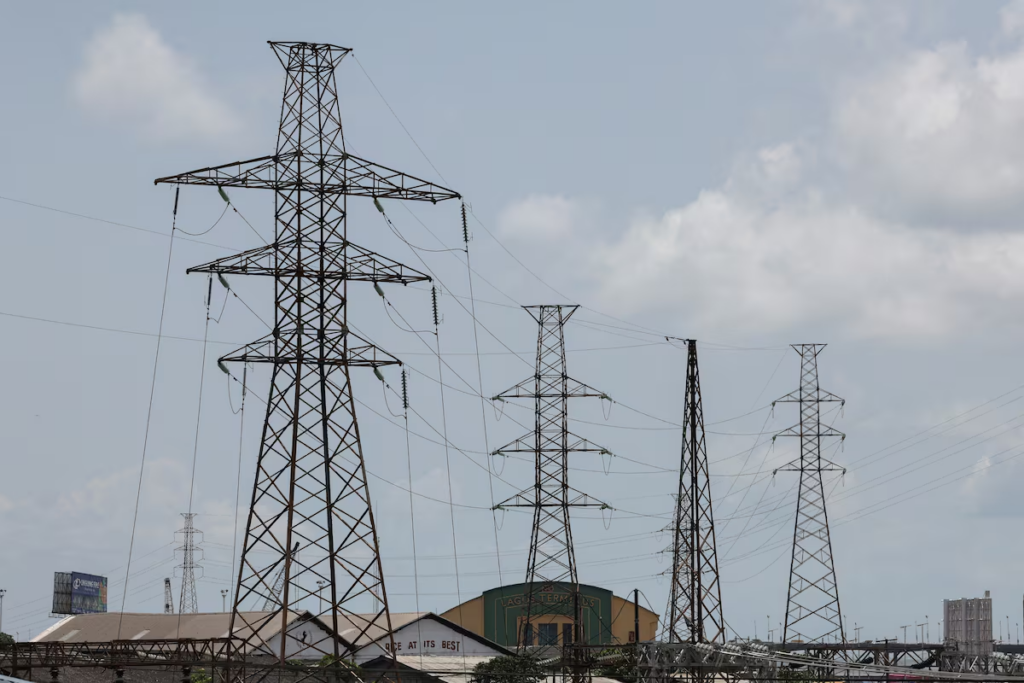
The International Monetary Fund (IMF) has expressed concerns over Ghana's energy sector, despite recent advancements in reducing energy debt, according to the latest report. The IMF notes that the energy sector shortfall remains considerable, estimated at US$1.1 billion for the year 2026. This shortfall is primarily attributed to high collection and distribution losses, along with costly generation contracts that include capacity charges and "take-or-pay" clauses.
The IMF emphasizes that considerable legacy debt continues to burden the sector, with its reduction being a lengthy process requiring substantial fiscal support. Institutional deficiencies, such as inconsistent enforcement of tariff adjustments and Cash Water Mechanism (CWM) guidelines, persist, making the sector susceptible to potential lapses, particularly during election periods.
Notably, the energy sector's shortfall has decreased from US$1.6 billion (1.4% of GDP) in 2024 to US$1.4 billion (1.2% of GDP) in 2025. This reduction is a result of various factors, including tariff adjustments, enhanced revenue collection at the Electricity Company of Ghana (ECG), increased payments to energy suppliers through the Cash Waterfall Mechanism, cedi appreciation, and a decreased reliance on liquid fuel in the electricity generation process.
Furthermore, the Ministry of Finance disbursed approximately US$2 billion to independent power producers (IPPs) and fuel suppliers, including replenishments of a World Bank-guaranteed letter of credit for gas from the Sankofa field. Additionally, the government achieved savings through renegotiations of Independent Power Producers Power Purchase Agreements (PPAs) and legacy debt clearance.
These efforts have resulted in a decrease in the stock of net payables to IPPs and fuel suppliers to US$1.7 billion by the end of March 2026, a drop from US$2.1 billion at the end of 2024. Despite these positive developments, the IMF remains cautious about the energy sector's progress and its potential impact on Ghana's fiscal stability.
Written by urgent.news from Joy Business's reporting — not their text. Machine-written — may contain errors; check the original before relying on it.
This story
This is one outlet's version. Read the fullest account.