IMF cautions Ghana over energy sector despite progress made in reducing energy debt
According to the Fund, the energy sector shortfall remains sizeable estimated at US$1.1 billion in 2026, reflecting high collection and distribution losses and costly generation contracts with capacity charges and “take-or-pay” clauses.
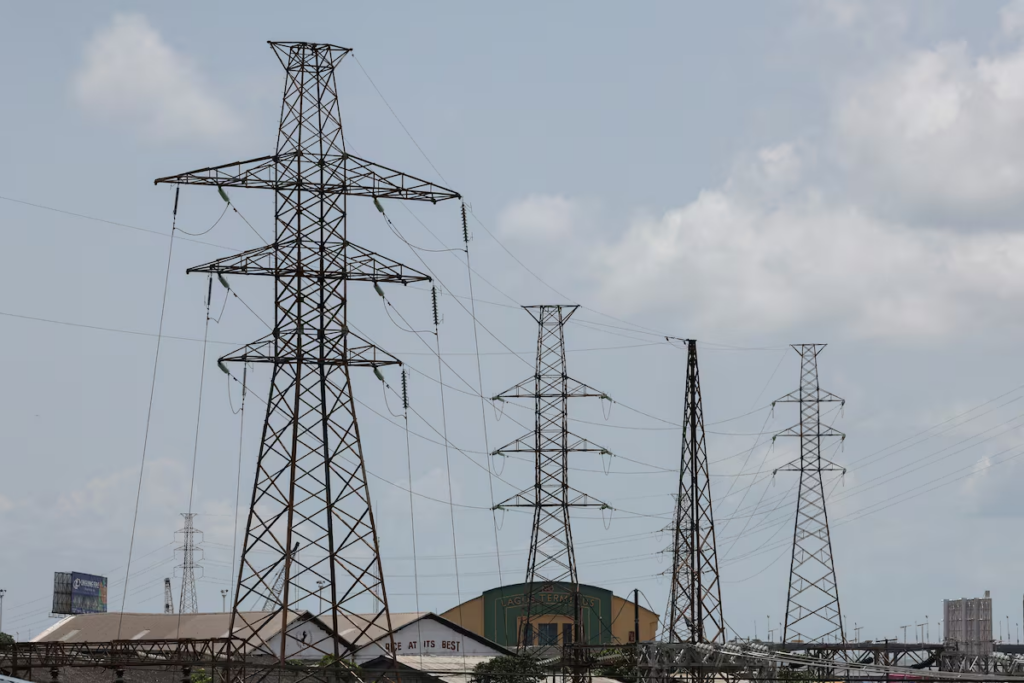
The International Monetary Fund (IMF) has issued a warning to Ghana regarding its energy sector, despite recent advancements in reducing energy-related fiscal risks. The IMF's assessment indicates that a substantial shortfall persists in the energy sector, amounting to $1.1 billion by 2026. This shortfall is primarily attributed to significant collection and distribution losses, as well as the high cost of generation contracts, which include capacity charges and "take-or-pay" clauses.
Furthermore, the IMF highlights that the legacy debt associated with the energy sector remains substantial and will require ongoing fiscal support to resolve over time. The persistence of institutional gaps, such as uneven enforcement of tariff adjustments and Cash Water Mechanism guidelines, poses an additional challenge, particularly during electoral periods, rendering the sector susceptible to disturbances.
The IMF reports that the energy sector shortfall, representing the difference between revenues and costs, decreased to $1.4 billion (1.2% of Gross Domestic Product) in 2025 from $1.6 billion (1.4% of GDP) in 2024. This decline is primarily due to factors such as tariff adjustments, enhanced revenue collection at the Electricity Company of Ghana (ECG), increased payments to energy suppliers through the Cash Waterfall Mechanism, cedi appreciation, and reduced reliance on liquid fuel in the electricity generation mix.
Additionally, the IMF acknowledges the financial efforts made by the Ministry of Finance, which allocated approximately $2 billion to independent power producers (IPPs) and fuel suppliers, including the replenishment of a World Bank-guaranteed letter of credit for gas from the Sankofa field. Moreover, the government secured savings through the renegotiation of Independent Power Producers Power Purchase Agreements (PPAs) and legacy debt reduction.
Consequently, the stock of net payables to IPPs and fuel suppliers dwindled to $1.7 billion by the end of March 2026, down from $2.1 billion at the end of 2024.
Written by urgent.news from MyJoyOnline Ghana's reporting — not their text. Machine-written — may contain errors; check the original before relying on it.