Hong Kong’s 5-year plan needs ambition to match Beijing’s expectations
Hong Kong’s first five-year plan will be judged not by how many initiatives it assembles. Instead, it will be judged by whether it explains where the city intends to be by 2030 and how it will get there. The consultation document covers the expected ground. It includes the Northern Metropolis; Hong Kong’s roles as an international financial, trade, maritime and aviation centre; integration with…
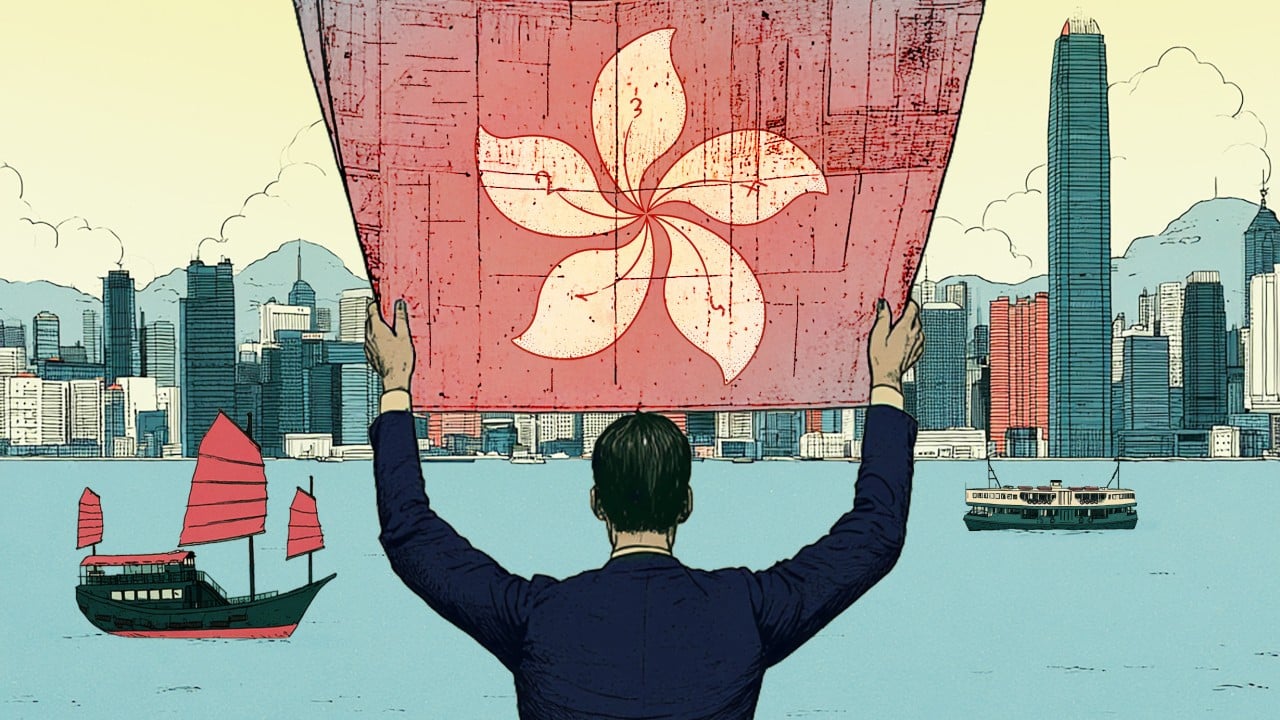
Hong Kong's inaugural five-year plan will be measured not by the quantity of its initiatives, but by its ability to articulate the city's vision for 2030 and the pathway to achieve it. The consultation document covers a broad range of topics, including Hong Kong's aspirations as a financial, trade, maritime and aviation hub, its integration with the Greater Bay Area and its contribution to the Belt and Road Initiative.
Social priorities such as housing, education and manpower are also addressed, along with culture, sports, tourism and green living.
The plan is expected to resemble past policy addresses and government documents, which is to be expected in a consultation seeking public feedback before finalization. However, the concluding plan cannot simply rehash familiar initiatives. It must demonstrate ambition on par with the national 15th five-year plan and subsequent documents outlining national priorities.
Mainland five-year planning is not merely about assembling policies; it defines objectives, aligns institutions and resources, and sets targets for progress assessment. Hong Kong must operate within a competitive national framework, and its first plan cannot be timid. The plan should frame a mission, beginning with a desired outcome rather than a list of measures. This mission should unite different bureaus and sectors, mobilize finance and expertise, and convey the public's understanding of what success will entail.
The Northern Metropolis itself should embody this mission, characterized by exceptional design and integration that create economic, social, environmental and land value. In finance, deepening equity and bond markets, expanding asset and wealth management, developing fintech and solidifying Hong Kong's status as the leading offshore renminbi center are important but already anticipated.
However, the plan should explicitly aim to elevate and advance this global position by 2030. This is not about ranking on a global leaderboard but rather asking what distinctive capabilities could garner greater international acclaim. For instance, Hong Kong could become the principal platform for financing and supporting the global development of China's next-generation technology and new energy enterprises.
This ambition requires sustained engagement with mainland companies, regulators, and other stakeholders, building upon the work of the Hong Kong Exchanges and Clearing and the Stock Connect programs. Hong Kong should not treat sectors such as electric vehicles, batteries, solar, and wind power as mere investment opportunities. Instead, the city should become a proving ground and service platform for the practical deployment of these technologies.
Although Hong Kong has made progress in electric vehicles, its port infrastructure for the electrification of terminals for ocean-going vessels and smaller local craft remains underdeveloped.
A mission-oriented five-year plan could bring together relevant authorities, port operators, shipowners, utilities, and investors to establish the necessary infrastructure and business models. The city is already working towards green maritime fuel bunkering, and electrification should be part of a forward-looking port strategy.
Beyond the more glamorous aspects of new energy, the less glamorous end of this transition matters equally. Hong Kong's existing buildings present a significant market for energy-saving technology, digital management, and retrofit services. This market will not scale without government policy signals, a credible pipeline, and conditions that enable private capital to participate.
Additionally, Hong Kong should look beyond trendy technologies. While artificial intelligence will reshape economies, many future capabilities will stem from a deeper understanding of the physical world. Atmospheric, ocean, and climate science will be crucial for decarbonization, adaptation, renewable energy, and sustainable practices, not just as responses to environmental challenges.
Hong Kong's universities already possess substantial scientific capacity, including national key laboratories and extensive mainland and international partnerships. The government should harness this capacity around missions that are vital to Hong Kong and the nation, utilizing research to train talent, create specialized jobs, and attract philanthropy and investment.
Lastly, Hong Kong must bolster its intellectual role. As trade, finance, shipping, aviation, technology, and science are reshaped by geopolitics and geoeconomics, a truly global hub must transcend practical transactions. It must convene serious discussions about the forces altering these transactions. Hong Kong already hosts numerous international financial gatherings, but it should also become a leading intellectual center for transition finance.
The city already enjoys significant advantages, such as national backing for new endeavors, unique market access through Connect schemes and offshore renminbi infrastructure, and doors that might be opened for Hong Kong. However, these are not entitlements to preferential treatment. Mainland provinces and cities are highly ambitious, and while opportunities may open, Hong Kong must generate the ideas, capabilities, standards, and businesses to capitalize on these openings.
The success of the first five-year plan should not only replace incrementalism with direction but also raise, not lower, the ambition of Hong Kong's subsequent plans.
Written by urgent.news from South China Morning Post - Hong Kong's reporting — not their text. Machine-written — may contain errors; check the original before relying on it.
This story
This is one outlet's version. Read the fullest account.
- How are Hong Kong restaurants faring 1 month into the dog-friendly scheme? scmp.com
- Tropical Cyclone Dolphin: Hong Kong sees hottest day on record as Observatory HQ records 36.9°C hongkongfp.com
- Hong Kong weather observatory posts record high temperature phys.org
- Hong Kong weather observatory posts record high temperature freemalaysiatoday.com