Hong Kong’s 5-year plan needs ambition to match Beijing’s expectations
Hong Kong’s first five-year plan will be judged not by how many initiatives it assembles. Instead, it will be judged by whether it explains where the city intends to be by 2030 and how it will get there. The consultation document covers the expected ground. It includes the Northern Metropolis; Hong Kong’s roles as an international financial, trade, maritime and aviation centre; integration with…
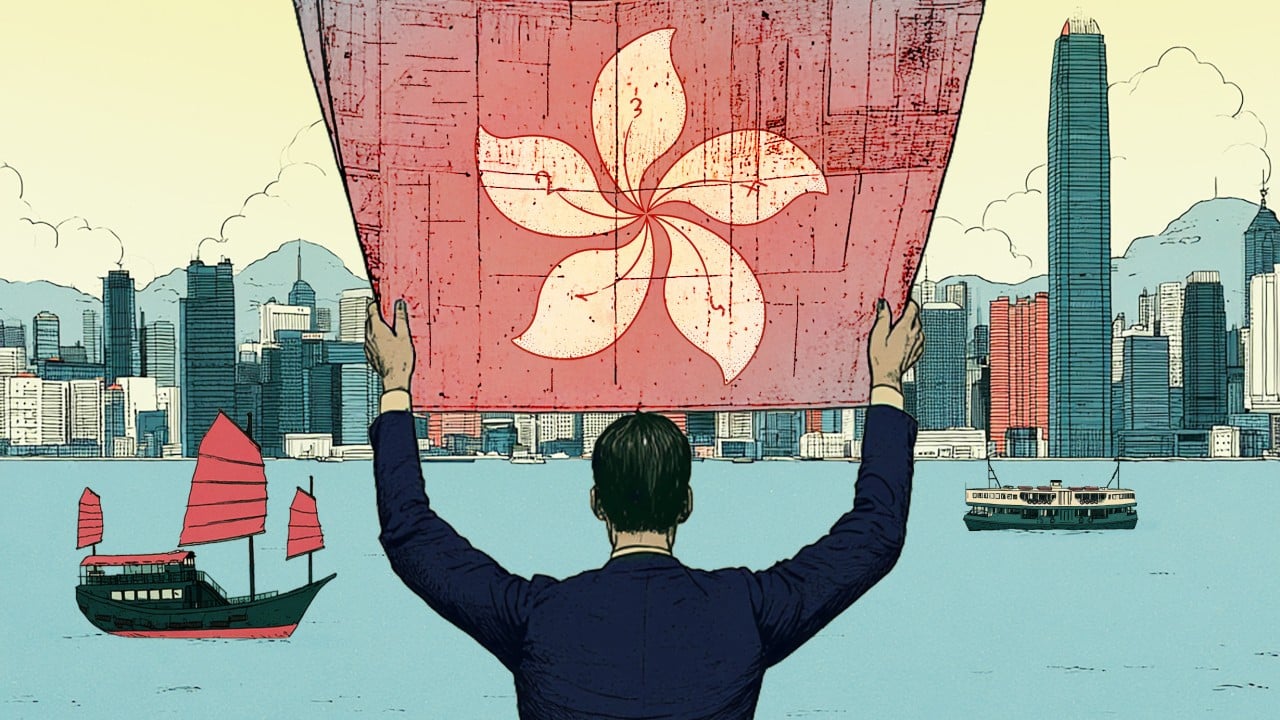
Hong Kong's first five-year plan must demonstrate ambition comparable to Beijing's expectations. Rather than merely listing initiatives, the plan should articulate where the city aims to be by 2030 and how it intends to reach that goal. The consultation document covers various aspects, including Hong Kong's roles as a financial, trade, maritime, and aviation hub, integration with the Greater Bay Area, support for the Belt and Road Initiative, and social priorities such as housing, education, and manpower.
The final plan must go beyond rehashing familiar initiatives; it must exhibit ambition befitting the national 15th five-year plan and its accompanying documents. To achieve this, the plan should adopt a mission framing approach, which starts with desired outcomes rather than a list of measures. This approach would help align different bureaus and sectors, mobilize finance and expertise, and communicate to the public what success will look like.
In finance, Hong Kong should aim to deepen equity and bond markets, expand asset and wealth management, develop fintech, and solidify its position as the leading offshore renminbi center. The plan should specifically target strengthening and advancing Hong Kong's global financial standing by 2030, rather than simply aiming to be the third-best financial center, as it currently ranks.
Additionally, Hong Kong should strive to become a leading platform for financing and supporting China's next generation of technology and new energy enterprises. This involves establishing a strong partnership with mainland companies, regulators, and other stakeholders, expanding on existing work by the Hong Kong Exchanges and Clearing and the Stock Connect programs.
Hong Kong can also become a proving ground and service platform for practical deployment in sectors such as electric vehicles, batteries, solar, and wind power. To achieve this, the city should work with relevant authorities, port operators, shipowners, utilities, and investors to create necessary infrastructure and business models.
Furthermore, Hong Kong should focus on green maritime fuel bunkering and electrification as part of a forward-looking port strategy. This includes addressing less glamorous but crucial aspects such as energy-saving technology, digital management, and retrofit services for existing buildings. Hong Kong should also explore the potential of artificial intelligence, which will reshape economies worldwide.
While Hong Kong already possesses substantial scientific capacity and partnerships, the government can harness this capacity around missions important to Hong Kong and the nation, training talent, creating specialized jobs, and attracting philanthropy and investment. Lastly, Hong Kong must strengthen its intellectual role by becoming a leading center for transition finance, convening serious discussions about the forces reshaping global transactions, and hosting international financial gatherings.
While Hong Kong has received national backing for new endeavours, it must generate the ideas, capabilities, standards, and businesses to seize the opportunities presented. National backing should raise, not lower, the ambition of Hong Kong's five-year plan.
Written by urgent.news from South China Morning Post's reporting — not their text. Machine-written — may contain errors; check the original before relying on it.
This story
This is one outlet's version. Read the fullest account.
- How are Hong Kong restaurants faring 1 month into the dog-friendly scheme? scmp.com
- Tropical Cyclone Dolphin: Hong Kong sees hottest day on record as Observatory HQ records 36.9°C hongkongfp.com
- Hong Kong weather observatory posts record high temperature phys.org
- Hong Kong weather observatory posts record high temperature freemalaysiatoday.com