First Nations chiefs in B.C. urge feds, Alberta to halt pipeline advancement
The group said it wanted to reaffirm that it's against the pipeline because government has not consulted and co-operated in good faith with the First Nations.
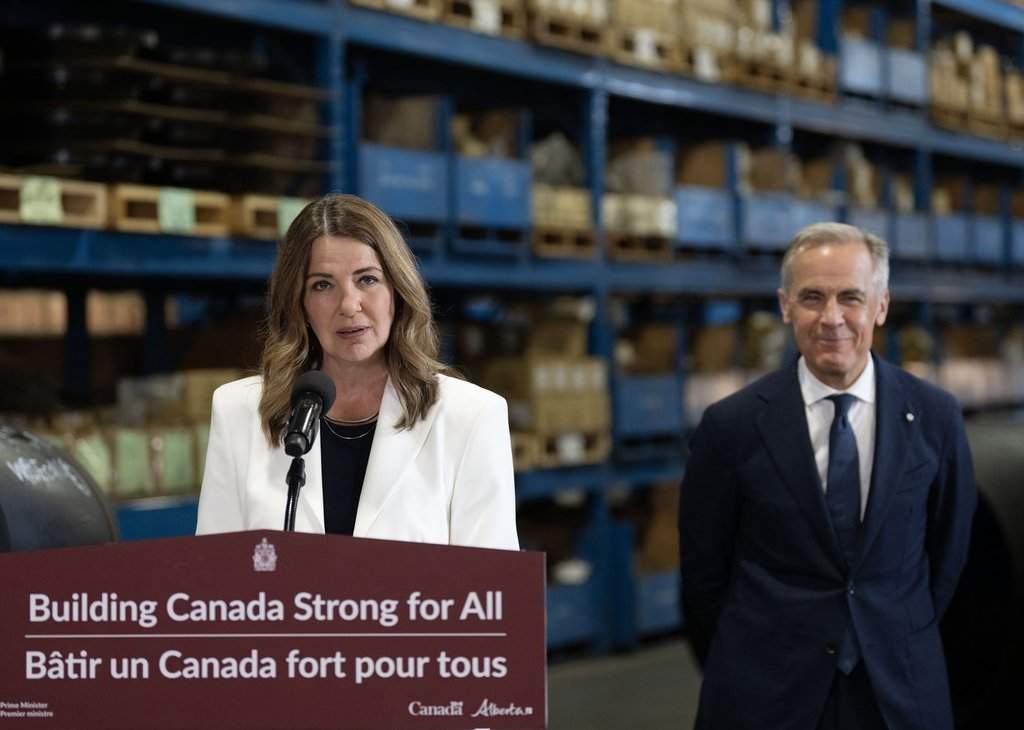
Leaders of Indigenous communities across British Columbia have written a letter to Canada's Prime Minister and Alberta's Premier, urging them to suspend progress on the West Coast pipeline project. The Union of British Columbia Indian Chiefs argues that expanding oil production will exacerbate climate change and its devastating consequences.
The letter, signed by prominent figures like Grand Chief Stewart Phillip, emphasizes that new fossil fuel projects intensify the crisis of rising seas, wildfires, and floods. The letter comes in the wake of a state of emergency declared by the B.C. government due to multiple wildfires, forcing thousands to evacuate. The Indigenous group contends that the government has not consulted with them in good faith regarding the project, noting that the project's corridor has already been established and prospective development partners identified.
They assert that compensation measures such as equity ownership, revenue-sharing, and job creation cannot replace the principle of consent. Prime Minister Mark Carney's office did not immediately respond to inquiries about the letter, while Alberta's Ministry of Indigenous Relations stated that the pipeline would deliver long-term benefits, jobs, and energy security.
The West Coast pipeline, spanning about 1,250 kilometers, would transport up to one million barrels of crude oil daily from Alberta to a B.C. port. The project is currently under review by Canada's Major Projects Office, which must consider the perspectives of Indigenous communities before granting a national interest designation.
Construction could begin as early as September 2027 if all necessary approvals and permits are obtained. The project's environmental impact is being mitigated by a proposed carbon storage pipeline, Pathways, but critics argue that the pipeline's increased emissions outweigh the benefits of Pathways.
Written by urgent.news from Global News's reporting — not their text. Machine-written — may contain errors; check the original before relying on it.
This story
This is one outlet's version. Read the fullest account.