Urgent.News

What's breaking now, across thousands of outlets.

World

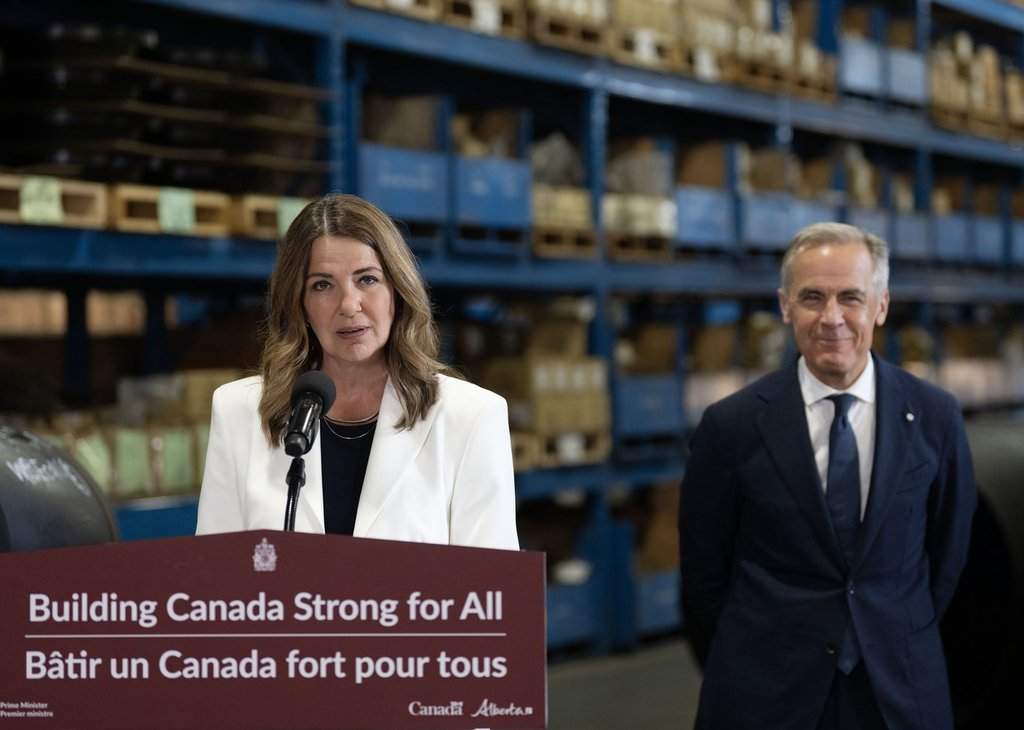
First Nations chiefs in B.C. urge feds, Alberta to halt pipeline advancement

The group said it wanted to reaffirm that it's against the pipeline because government has not consulted and co-operated in good faith with the First Nations.
First Nations chiefs in B.C. urge feds, Alberta to halt pipeline advancement

The Union of British Columbia Indian Chiefs has written to Canada's Prime Minister Mark Carney and Alberta's Premier Danielle Smith, urging them to halt the advancement of the West Coast pipeline. The chiefs argue that expanding the oil industry will exacerbate climate change and its disastrous consequences. The letter emphasizes that wildfires, floods, and rising sea levels are already being felt across the country.

The B.C. government had recently declared a state of emergency as over 100 wildfires burned through the province, forcing thousands to evacuate. The chiefs also highlighted that the government has already established the project's route, identified prospective development partners, and publicly promoted its economic benefits. They argue that meaningful consultation cannot occur if First Nations are only invited to discuss the predetermined project.

The pipeline, if completed, would transport up to one million barrels of crude oil daily from Bruderheim, Alberta, to a port near Delta, British Columbia. Ottawa has taken a step toward granting the project a national interest designation, which would allow the federal government to expedite the pipeline while bypassing certain environmental regulations.

However, environmentalists warn that emissions from increased oil production would far outweigh any emissions prevented by a carbon storage project called Pathways.

Written by urgent.news from Global News's reporting — not their text. Machine-written — may contain errors; check the original before relying on it.

Also reported by 1 other outlet

Read the original at globalnews.ca →

More in World

The increase in public spending on "death without relatives" has become a hotbed of unclaimed businesses. In 2018, 33,000 people died without any relatives to claim their bodies, an increase of 9,000 from 2013, and local governments across the country are struggling to cope with the rising costs of cremation and burial. In response, some local governments have introduced a system where they pay for cremation and burial and then try to recover the costs from the deceased's estate. However, there are many cases where it is difficult to recover the costs, and the financial burden on local governments is expected to continue to increase. This situation has created a lucrative business for some companies that specialize in handling unclaimed bodies. These companies, often referred to as "unclaimed business operators," offer services such as cremation and burial for a fee, and some have even been known to solicit business from funeral homes and local governments. The spread of unclaimed businesses has raised concerns about the commercialization of death. The Ministry of Health, Labour and Welfare has announced plans to review the system and consider measures to prevent the exploitation of vulnerable individuals. The ministry will also work to ensure that local governments are aware of the issue and are taking steps to address the problem. In addition, the ministry will consider introducing regulations to oversee the unclaimed business industry. The issue of unclaimed bodies is a complex one, and it will require a comprehensive approach to address the various concerns and challenges involved. The government, local governments, and the private sector will need to work together to find a solution that balances the needs of all parties involved.

More from Sunday 9 August →