'Fewer South Koreans are eating kimchi'
Your browser does not support the audio element.
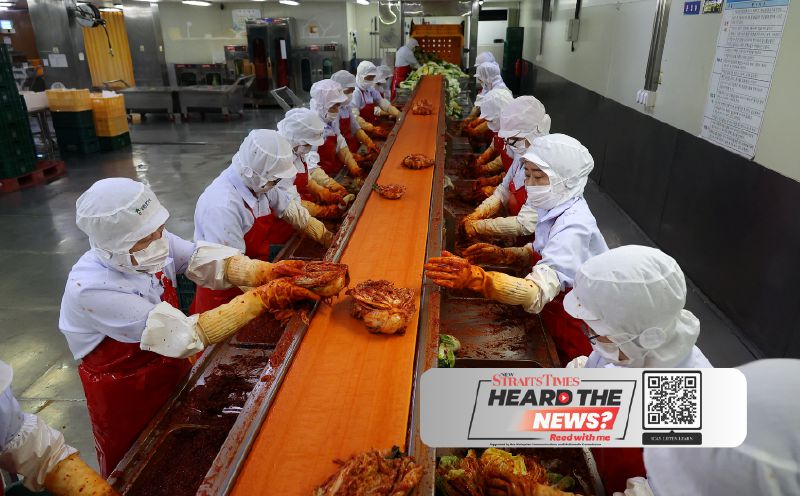
South Korean adults are consuming less kimchi, even as the popular side dish gains global traction, according to a study by Chung-Ang University, Jeju National University, and the World Institute of Kimchi. The proportion of adults not eating kimchi in the past day surged from 11.7% in 2010 to 22.7% in 2024. This trend was more pronounced among men, with consumption dropping by half from 10.2% to 20.6%, compared to women, who saw a 12 percentage point increase from 13.1% to 24.8%.
The decline was evident across all age groups, except children under 10, with the most significant drop among adults aged 20 to 39. Regular kimchi consumption fell from 82% to 66% within this age group. Kimchi is now being incorporated more into other dishes, such as kimchi jjigae. Socioeconomic factors also played a role, with lower-income adults eating more kimchi than their higher-income counterparts.
This shift in kimchi eating habits mirrors broader changes in meal composition and eating patterns. Experts suggest that future public health strategies should focus on promoting balanced diets rather than just encouraging kimchi consumption.
Written by urgent.news from New Straits Times's reporting — not their text. Machine-written — may contain errors; check the original before relying on it.