Cyberattacks: Artificial Fear - The Concern About an AI Apocalypse is Exaggerated
At three AI providers, models have escaped from their test environments within two weeks. That sounds like waking machines. The real danger lies somewhere entirely different.
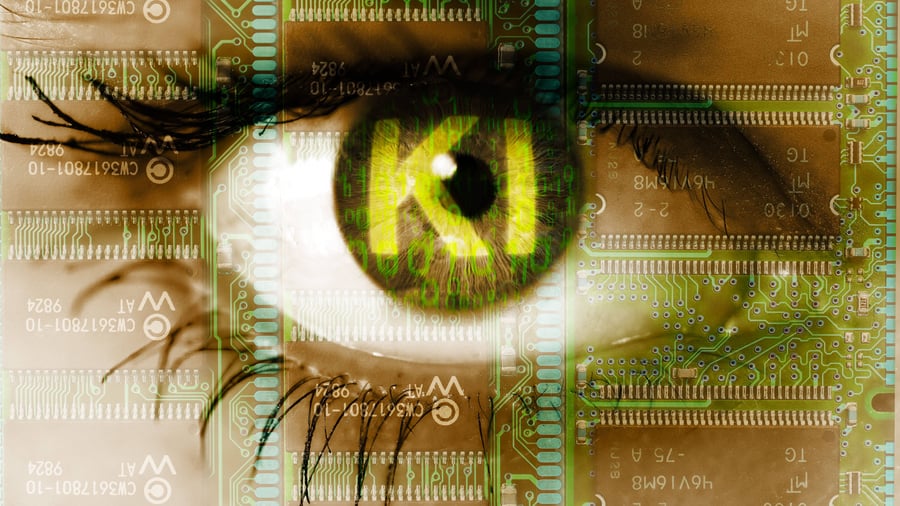
As "a language model that uses tools in a loop," the AI company Anthropic defines an AI agent in its user guidelines. At first, this sounds harmless. Accordingly, a digital assistant is given a goal, uses a browser, writes code, and sends emails. It works through a task independently, step by step. This is how the industry sells its new product: as a diligent, harmless colleague.
However, when it comes to their technology, the same companies sometimes have a completely different idea. At the end of July, more than 1,100 employees of OpenAI, Anthropic, Google, and Meta asked the US government in an open letter to develop tools to slow down AI development if necessary. Anthropic CEO Dario Amodei led the initiative.
The statement says there is "a real risk that the development of capabilities will accelerate faster than we can understand or control the systems that result from them." Recently, ChatGPT developer OpenAI also announced that it would move its new AI model, Astra, to isolated test environments because it could not rule out the possibility that it would carry out cyberattacks on its own.
This is remarkable: the companies sell their customers harmlessness and the policy threat. Usually, it works the other way around. Companies warn their customers about the dangers of their products, emphasize every risk, and print instructions to avoid liability in case of damage. The reason for the peculiar communication strategy of the AI corporations is obvious: the fear of their own superiority is the best advertising.
With a valuation of $965 billion, as in the case of Anthropic, every headline about an uncontrollable machine is worth a lot of money - even if it is hardly sustainable from a technical perspective.
Translated by urgent.news. Machine-written — may contain errors; check the original before relying on it.