Chinese vloggers are taking to YouTube to ‘set the record straight’
At a night market in Shenzhen, Sasa Xu finishes her day with passion fruit tea. It costs US$2.40, bringing her total spend for the day to US$9.40 – details that close out her video “What low-income life in China really looks like”. The video has drawn more than 470,000 views since it was posted to YouTube in April. It includes footage of Xu at a traditional wet market and walking through a…
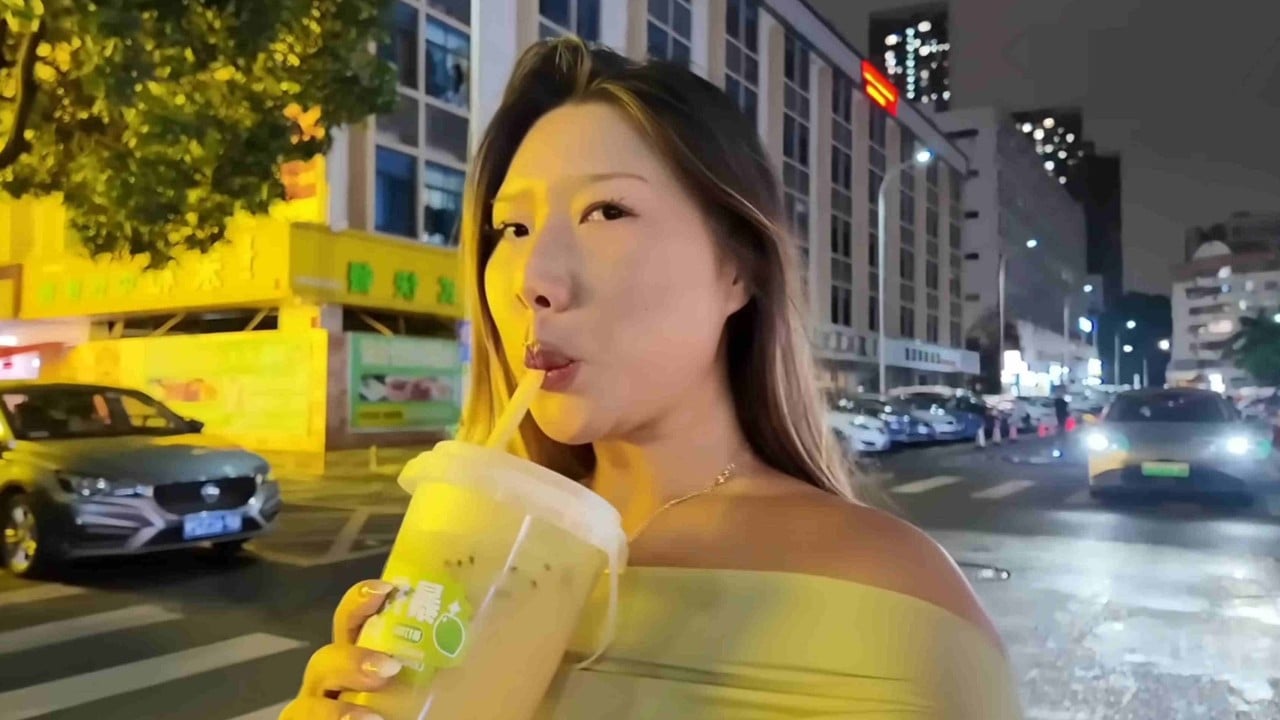
In a night market in Shenzhen, Sasa Xu concludes her day with passion fruit tea, costing US$2.40, totaling her expenditure for the day at US$9.40. This personal experience is the basis for her YouTube video titled "What low-income life in China really looks like," which has garnered over 470,000 views since its April posting. The video features Xu in a traditional wet market, walking through a crowded "urban village" housing many of Shenzhen's low-income workers, aiming to present an authentic, unfiltered portrayal of everyday Chinese life to overseas audiences.
Xu, a 30-year-old influencer partnerships manager in Shenzhen, is among thousands of Chinese individuals uploading vlogs on YouTube to share their experiences with a global viewership. Her channel, "Ni hao, It's Sasa," launched in February, has amassed over 1.7 million views across 28 videos, documenting her daily routines and expenses.
The videos typically last around 15 minutes and are narrated in English or subtitled, often featuring titles like "What one day's salary buys in China" or "What life's really like for a Chinese single man." Viewers have been surprised by the affordability of food in China and appreciate the realistic depiction of daily life. Some have even been inspired to visit China, while others have commented on the safety and convenience of Chinese cities and the tranquility of rural life.
Chinese vloggers are using AI tools to overcome language barriers, enabling them to reach a global audience despite the platforms being blocked in mainland China. These vlogs serve as a corrective to the one-dimensional portrayals of China in mainstream media, offering a raw, relatable glimpse into the lives of ordinary Chinese people navigating work, routines, and personal challenges.
Written by urgent.news from Reuters Business via SCMP's reporting — not their text. Machine-written — may contain errors; check the original before relying on it.
This story
This is one outlet's version. Read the fullest account.