Can Europe stay united in China trade battle? Ceuta migrant crisis offers a warning
The European Union’s traditional August break was supposed to provide officials with some respite ahead of a potentially bruising autumn when it will try to set its fiery trade relationship with China on a new course. Instead, a border crisis on its southern flank has created turmoil and division among its 27 members, raising questions over how prepared the bloc is for a dust-up with one of the…
The European Union's traditional August break was expected to offer officials some respite before a potentially contentious autumn, when the bloc aims to reshape its trade relationship with China. However, a southern border crisis has instead created turmoil and division among its 27 members, raising questions about the union's preparedness for a clash with China.
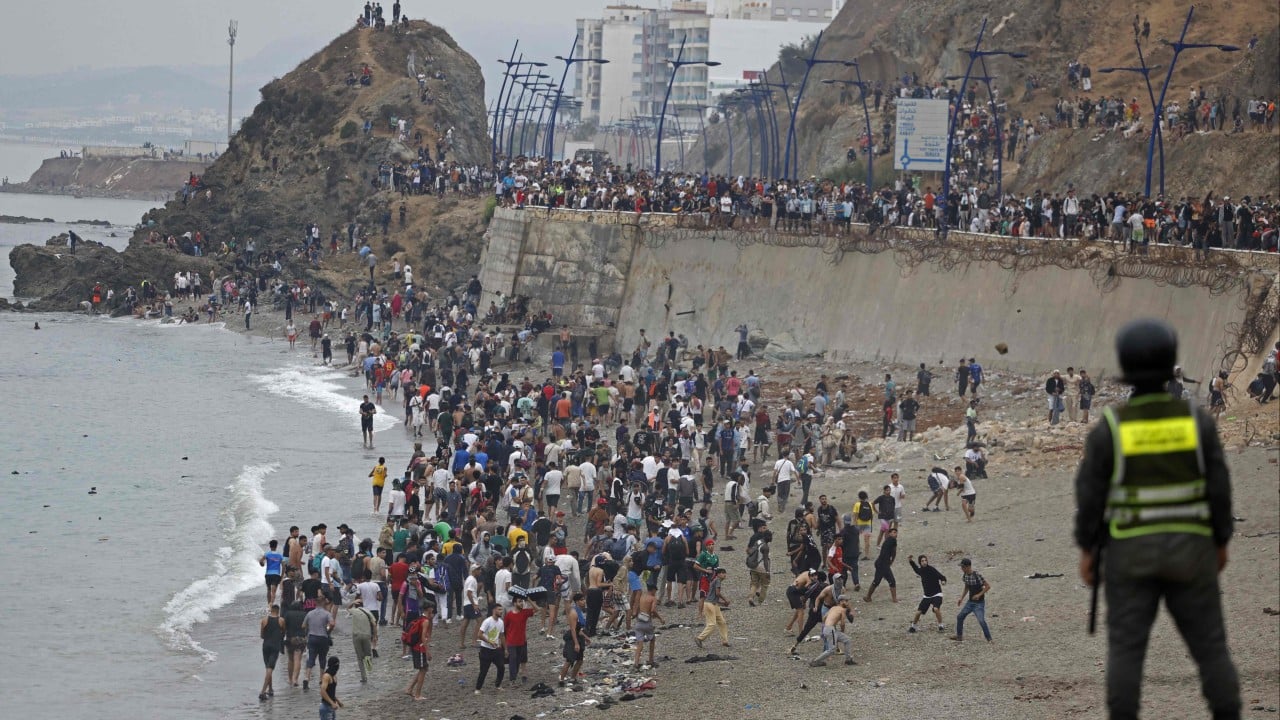
Alberto Rizzi, a policy fellow at the European Council on Foreign Relations, noted that the crisis served as a "real-time test" of what happens when one member state is under coercion. The crisis began on July 30 when approximately 72,000 mainly Moroccan migrants stormed Ceuta, a Spanish enclave in North Africa. At least 75 people died, mostly at sea, with Spanish authorities estimating over 100 deaths.
Many EU members initially blamed Madrid for the surge, which raised suspicions that Moroccan authorities had weaponized migrant flows in response to Spain's efforts to improve ties with Algeria. In the aftermath, Italian Prime Minister Giorgia Meloni suspended the Schengen freedom of movement agreement with Spain, while Finland, Denmark, and Czech Prime Minister Andrej Babis called for Spain's suspension from the Schengen agreement.
Spain subsequently imposed border checks on air and sea travel from Italy, causing the crisis to flare up again. While the Ceuta episode may seem unrelated to the EU's trade tensions with China, the issue of solidarity will be crucial in the bloc's ability to confront Beijing this autumn, especially as China starts retaliating. The crisis highlights how easily the capitals can be divided when one comes under attack, as Commission President Ursula von der Leyen had hoped for a "clear support for a European response based on unity among member states" following national discussions in June.
However, the Ceuta crisis demonstrates that divisions can quickly emerge, making it less likely that Spain's Prime Minister Pedro Sanchez, a socialist leader known for his open-border policies and embrace of China, would quietly align with the Brussels-led push for a tougher China policy.
Written by urgent.news from South China Morning Post's reporting — not their text. Machine-written — may contain errors; check the original before relying on it.
Also reported by 4 other outlets
- China expresses ‘grave concern’ as internal documents reveal suicide warning before death in Melbourne immigration detention theguardian.com
- Can Europe stay united in China trade battle? Ceuta migrant crisis offers a warning scmp.com
- Highest weather warning in place as China prepares for Typhoon Dolphin qatar-tribune.com
- China's Midea sees portable A/C sales soar in Europe during sweltering summer asia.nikkei.com