Antigua removed rats, goats; Redonda’s vegetation surged 2,000% by 2023
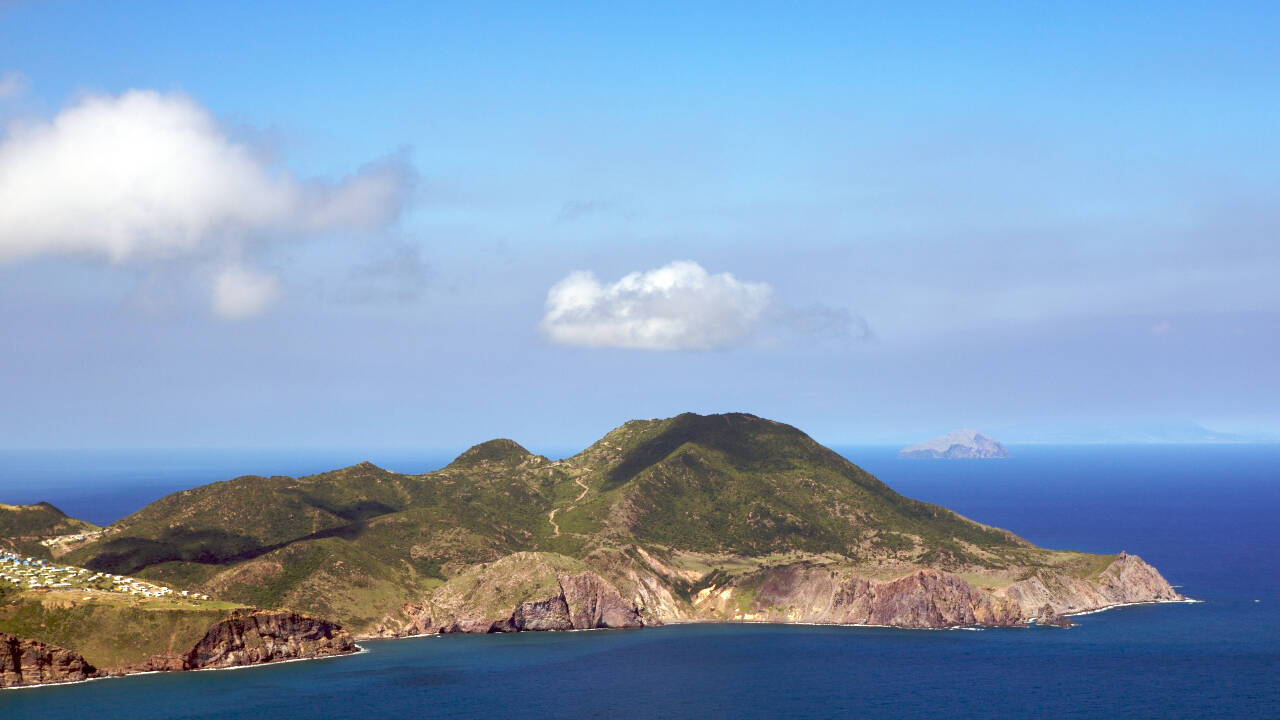
For years, the Caribbean island of Redonda was a barren moonscape, devoid of vegetation and native wildlife. Invasive rats and feral goats had ravaged the ecosystem, and soil and rocks washing into the sea had harmed the marine environment. However, the removal of these invasive species has sparked an astonishing recovery, with the island now serving as a thriving haven for wildlife.
Antigua and Barbuda, the Caribbean nation that encompasses Redonda, has officially designated the island as a protected area—the Redonda Ecosystem Reserve. This reserve spans almost 30,000 hectares of land and sea, encompassing the entire island, surrounding seagrass meadows, and an 18,000-hectare reef of coral. The reserve is home to at least 30 globally threatened or near-threatened species and internationally important seabird colonies.
The restoration program began in 2016, with a focus on eradicating invasive species that had devastated the island's ecosystem. Conservation efforts successfully eliminated invasive rats and feral goats in 2017. The results were remarkable, with total vegetation biomass increasing by over 2,000% by 2023. Fifteen species of land bird returned to the island, and the number of endemic reptiles surged by more than fourfold.
The Redonda ground dragon, a critically endangered lizard, has experienced an incredible 13-fold population increase since 2017.
Redonda's transformation began centuries ago when Europeans first arrived in 1493, finding an island teeming with life. However, the introduction of invasive species led to a decline in native wildlife and vegetation. Invasive rats consumed native wildlife, while feral goats, abandoned by guano miners, ate vegetation and contributed to soil erosion, damaging coral reefs and threatening marine habitats.
Once the invasive animals were removed, native vegetation began to return, with thousands of trees taking root, stabilizing the soil, and seabird populations rebounding.
While protection of Redonda marks a significant achievement, conservationists emphasize that this is just the beginning. Ongoing efforts include improving biosecurity to prevent the return of invasive species, monitoring wildlife recovery, surveying marine habitats, promoting sustainable fishing practices, and planning the reintroduction of native species like iguanas and burrowing owls.
Redonda's success demonstrates the potential for ecosystems to recover when invasive species are removed and nature is allowed to restore itself. The island's transformation could serve as a model for biodiversity restoration and sustainable conservation across the Caribbean.
Written by urgent.news from Times of India's reporting — not their text. Machine-written — may contain errors; check the original before relying on it.
This story
This is one outlet's version. Read the fullest account.
- Redonda rebounds: 6,000 rats, goats removed; lizards up 8x, vegetation 20x timesofindia.indiatimes.com