After 50 years, Child Welfare Programme set for makeover
The government plans to revamp the five-decade-old Integrated Child Development Services programme by upgrading Anganwadi centres, strengthening nutrition delivery and empowering frontline workers. The proposed changes also include better remuneration and social security coverage for Anganwadi workers.
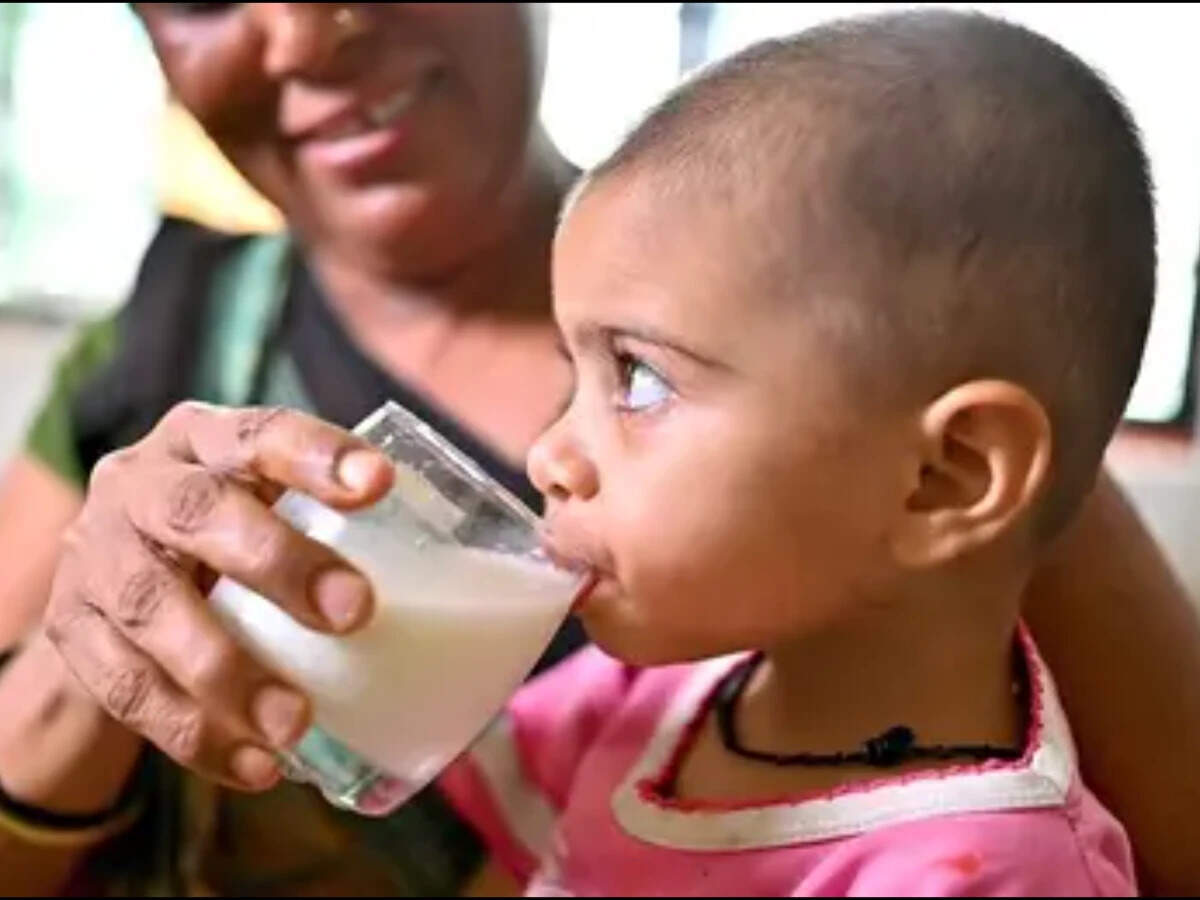
In a major overhaul of its flagship programme, the Indian government plans to revamp the Integrated Child Development Services (ICDS) 50 years after its establishment. The goal is to improve infrastructure, nutrition services, and empower frontline workers to combat malnutrition and enhance the health of children and women. This transformation aims to upgrade Anganwadi centres, enforce stricter food supply regulations, and increase regular deliveries, according to a senior government official.
To oversee this change, Niti Aayog member M Srinivas convened a high-level meeting with government officials, academics, international organisations, and civil society representatives. The focus was on setting clear outcomes and outlining the long-term vision for a healthy, modern India.
The ICDS, launched in 1975, is designed to boost the health, nutrition, and development of children under six, pregnant women, and lactating mothers through Anganwadi centres. These centres deliver a range of services, including nutrition, education, and health check-ups. Despite its extensive reach, the programme has struggled with subpar infrastructure, low wages for Anganwadi workers, inconsistent food supplies, and high malnutrition rates.
Notably, the government is contemplating a long-standing proposal to classify Anganwadi workers as unorganised workers, granting them access to social security schemes and raising their monthly remuneration to attract more skilled individuals to the vital role.
Written by urgent.news from The Economic Times - Economy's reporting — not their text. Machine-written — may contain errors; check the original before relying on it.