Why Southeast Asia's Clean Energy Surge Could Stall Before It Starts
Southeast Asia has been hit harder than anywhere else on Earth by the energy crisis stemming from the War in Iran, leaving many nations scrambling to shore up localized energy supply chains. The newfound volatility in global energy markets has catalyzed the clean energy transition worldwide, but particularly in cash-strapped, import-dependent nations, of which there are many in Southeast Asia.…
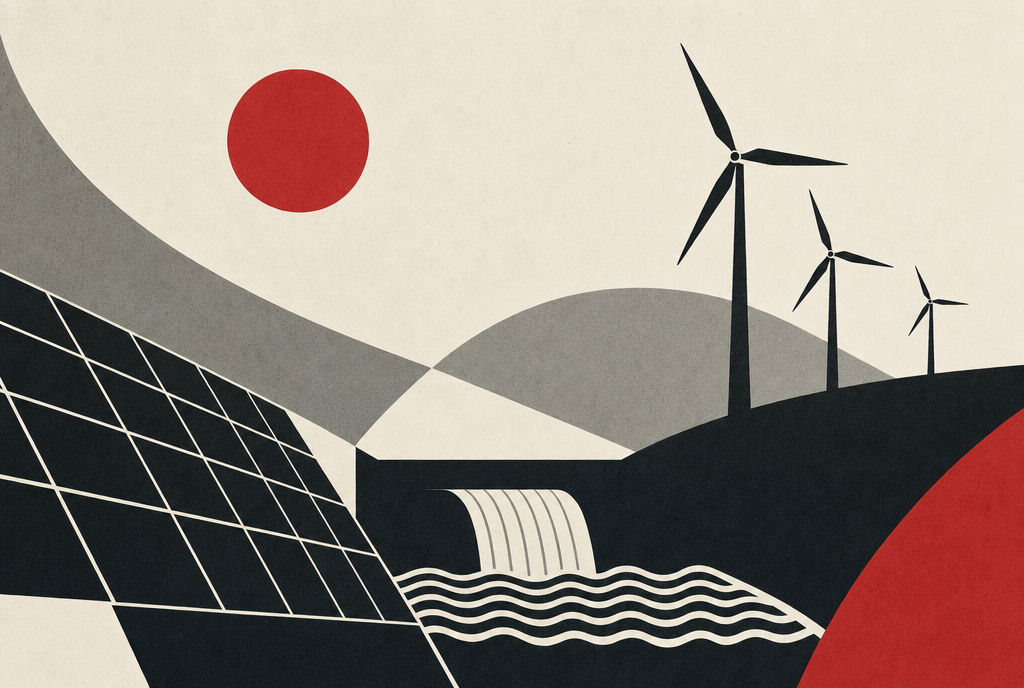
Southeast Asia experienced the brunt of the energy crisis caused by the Iran conflict, prompting nations to fortify their localized energy supply chains. The turmoil in global energy markets led to a renewed focus on clean energy transitions, especially in resource-poor countries dependent on imports. However, the region's aging and strained grids may hinder the rapid development of indigenous renewable energy sources, jeopardizing energy security and transition prospects.
The Strait of Hormuz, a crucial oil and gas transit route, was blocked in February, cutting off 20% of global oil and gas flows, severely impacting Asian markets. With 80% of oil and 90% of natural gas destined for Asia, Southeast Asia faced heightened vulnerability due to its high energy import dependence and limited economic resilience.
Countries like the Philippines declared national energy emergencies, implementing measures such as rationing, remote work, and reduced working hours to cope with the energy strain. While the crisis has spurred a much-needed renewable energy revolution, Southeast Asian grids' inadequate capacity and maintenance pose significant obstacles, deterring billions in clean power investments.
Factors such as unclear power purchase agreements, slow policy adaptation, permitting delays, grid connection issues, private sector involvement limitations, and policy uncertainty further complicate the clean energy transition. Although green energy investments have surged, many projects have stalled due to grid-related concerns.
Newer grid systems have even faced critical failures, highlighting the region's infrastructural fragility. With over 100 TWh of new electricity demand expected by 2030, driven by data centers, electric vehicles, and industrial clusters, the mismatch between demand and grid infrastructure remains a critical bottleneck, influencing where capital flows.
Written by urgent.news from OilPrice's reporting — not their text. Machine-written — may contain errors; check the original before relying on it.