A diamond is forever, but its rarity isn't: How technology rewrote a billion-year-old story
The price of diamonds has plunged and supply has surged, disrupting one of the world's most enduring marketing stories.
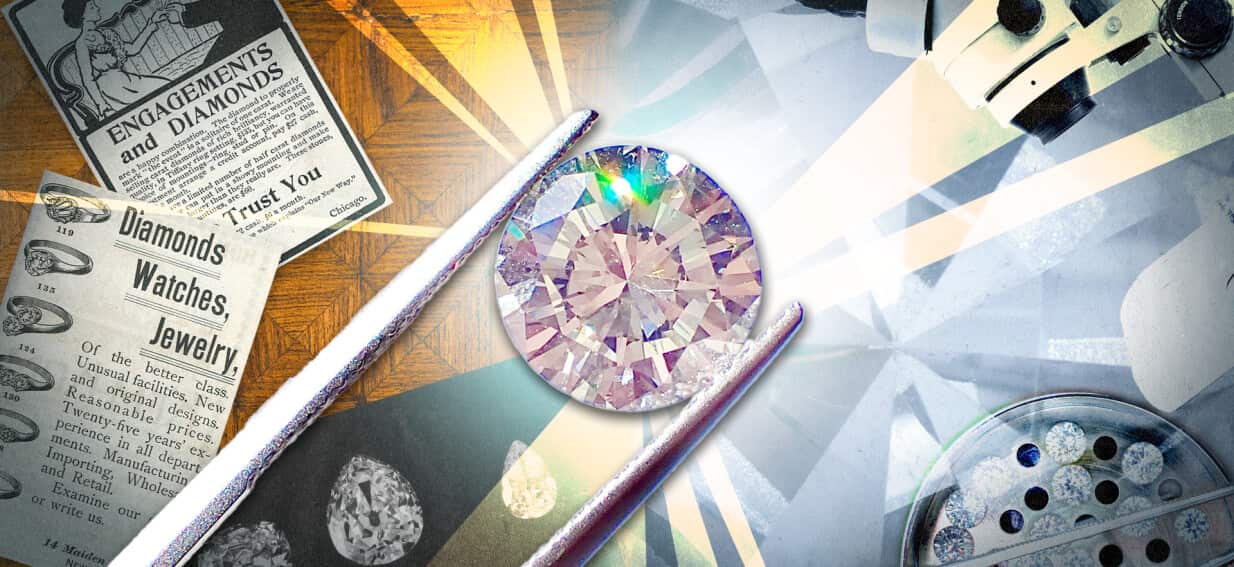
A diamond engagement ring used to represent social status—larger stones meant greater prestige. However, the diamond industry has been shaken up by the rise of lab-grown gems. In 2022, the price of a one-carat natural diamond had more than halved. De Beers, once the dominant player, suspended production at its largest South African mine due to market challenges.
The core of the upheaval is lab-grown diamonds, which are chemically and visually identical to natural diamonds. Created using High Pressure High Temperature (HPHT) or Chemical Vapour Deposition (CVD), these gems are produced in laboratories over a few weeks rather than billions of years underground. Despite initial low quality and high cost, lab diamonds gained recognition in 2007 by the Gemological Institute of America (GIA).
Today, lab-grown diamonds represent nearly a third of the global diamond jewellery market, with six in ten engaged couples in the US choosing lab diamonds last year, a 239% increase from 2020. The industry's response includes advanced screening machines developed by De Beers to identify natural and lab-grown diamonds, emphasizing that the origin, not composition, defines a diamond's story.
Written by urgent.news from SBS News's reporting — not their text. Machine-written — may contain errors; check the original before relying on it.