Waiting 26 years ‘for this shoe to drop’: Musk’s AI company joins the fight to strip citizens of their power to sue
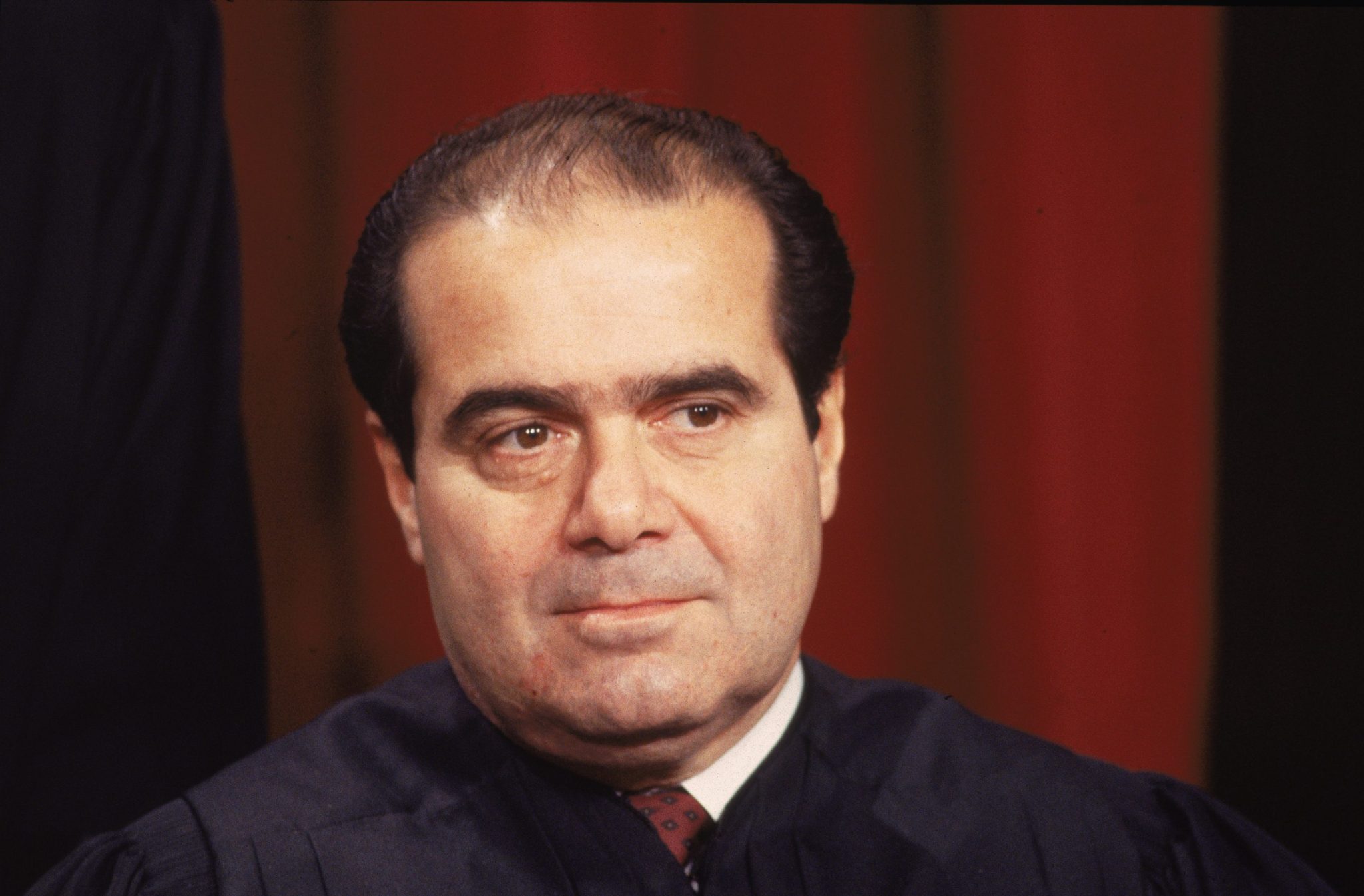
“The court is more like Scalia’s court since he died than it ever was when he was there,” said Harvard law professor Richard Lazarus.
Legal activists and Elon Musk's AI company have launched a major legal challenge to the right of private parties to sue over violations of major laws in the United States. The Trump administration supports their argument, asserting that the Constitution grants immense power to the president and federal agencies to enforce federal law, rather than leaving that power to others through "citizen suits" under various laws.
These suits have been instrumental in imposing fines and halting lawbreaking by entities like polluting oil and gas operations, and addressing issues such as lead pipes in Flint, Michigan. Environmentalists warn that the potential loss of this essential tool would be devastating, having led to millions in fines and the removal of harmful infrastructure.
Four federal cases, including one filed recently, are moving forward as the conservative majority on the Supreme Court presents a favorable opportunity for opponents of citizen suits. However, the real challenge lies in winning early federal cases and creating divisions among appeals courts to secure a nationwide ruling. Legal experts point to a 2000 Supreme Court opinion that paved the way for this possibility, with former moderate Justice Anthony Kennedy expressing concerns about citizen suits diluting executive power.
The current Supreme Court appears more aligned with the conservative stance on this issue, as noted by Richard Lazarus, a Harvard professor with extensive environmental law experience. The central question revolves around whether fines are collected and control is exercised by the government or private citizens. Individuals filing citizen suits must inform the government beforehand, and the government can intervene if it pursues the case sufficiently, though its options are limited and the suing party can remain involved.
The fines collected go to the U.S. Treasury. Recent efforts to expand presidential power and restrict citizen suits have gained significant federal backing, particularly when the Pacific Legal Foundation, a right-leaning organization with recent Supreme Court victories, joined forces with a Tennessee town to challenge a citizen suit in federal court.
The Pacific Legal Foundation argues that private groups, consisting of unelected activists, should not be allowed to impose financial burdens on others by taking on government responsibilities. Elon Musk's AI company is also involved in the fight, contesting the NAACP's lawsuit against it for operating gas turbines near Memphis without proper permits, claiming that the company should have unilateral and unreviewable authority to veto the citizen suit.
Written by urgent.news from Fortune's reporting — not their text. Machine-written — may contain errors; check the original before relying on it.