My next phone has to earn its retirement
Seven-year software promises are making long-term smartphone ownership increasingly realistic. The bigger question is whether the hardware, repair ecosystem, and annual upgrade machine are ready for it.
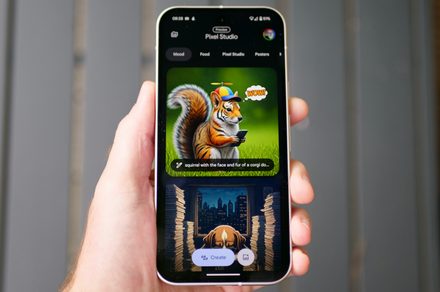
My next phone is not compelled to retire prematurely. My current Pixel 8a remains reliable, operating efficiently and providing the necessary functionality without prompting a replacement. Even though newer models boast superior specifications, they haven't compelled me to upgrade. Potential causes for replacement include ending support, impractical battery replacement, or the emergence of useful features beyond my current phone's capabilities.
While the allure of upgrades is tempting, I'm no longer fixated on yearly upgrades. Major tech firms are confidently promising extensive software and security support, which contrasts with the industry's annual marketing cycle. According to Counterpoint, the average smartphone replacement cycle has shifted to approximately 43 months.
For most users, new phone releases are merely one part of a longer-lasting relationship with their existing device. The software update is not the only factor dictating a phone's longevity. Physical issues like display lines, battery deterioration, and wear on charging ports can necessitate replacement sooner than anticipated. Even with an extended software support window, hardware limitations will eventually surface.
Repairing a phone becomes increasingly relevant as the device enters the multi-year ownership phase. A mid-life battery replacement can be routine maintenance if the rest of the phone remains functional and supported. However, we cannot yet predict how hardware will fare over seven years of support with no prior real-world evidence.
The annual release cycle is more logical when considering a multi-generational ownership model. Some owners might upgrade when a new model is released, while others may retain their current device for years without needing a replacement. Eventually, a worn-out component or an expiration of the support window will prompt the decision to upgrade.
This transition mirrors the car market, where owners often hold onto vehicles for several years despite annual model updates. The urgency surrounding smartphone launches contrasts with the increasing durability of the devices themselves. My Pixel 8a has yet to demonstrate any signs of retirement, and I'm content to observe how long it can last.
My next phone may arrive at any time, but it must first prove its worth to warrant replacement. Apple may consider raising the price of the iPhone 17 lineup as early as August 10, just prior to the unveiling of the next generation of iPhones. This speculation stems from a rumor from leaker Fixed Focus Digital on Weibo, which has not been officially confirmed by Apple.
The timing is noteworthy, as Apple is expected to adjust iPhone pricing with the launch of the iPhone 18 Pro. Nonetheless, an increase in the price of existing iPhone 17 models would be unprecedented.
Written by urgent.news from Digital Trends's reporting — not their text. Machine-written — may contain errors; check the original before relying on it.