The TV Crime Show That Made People Question How Jurors Judge Cases
"CSI" was a smash success when it first aired in 2000. But what impact has the show had on real-life law - and is there really such a thing as the "CSI effect"?
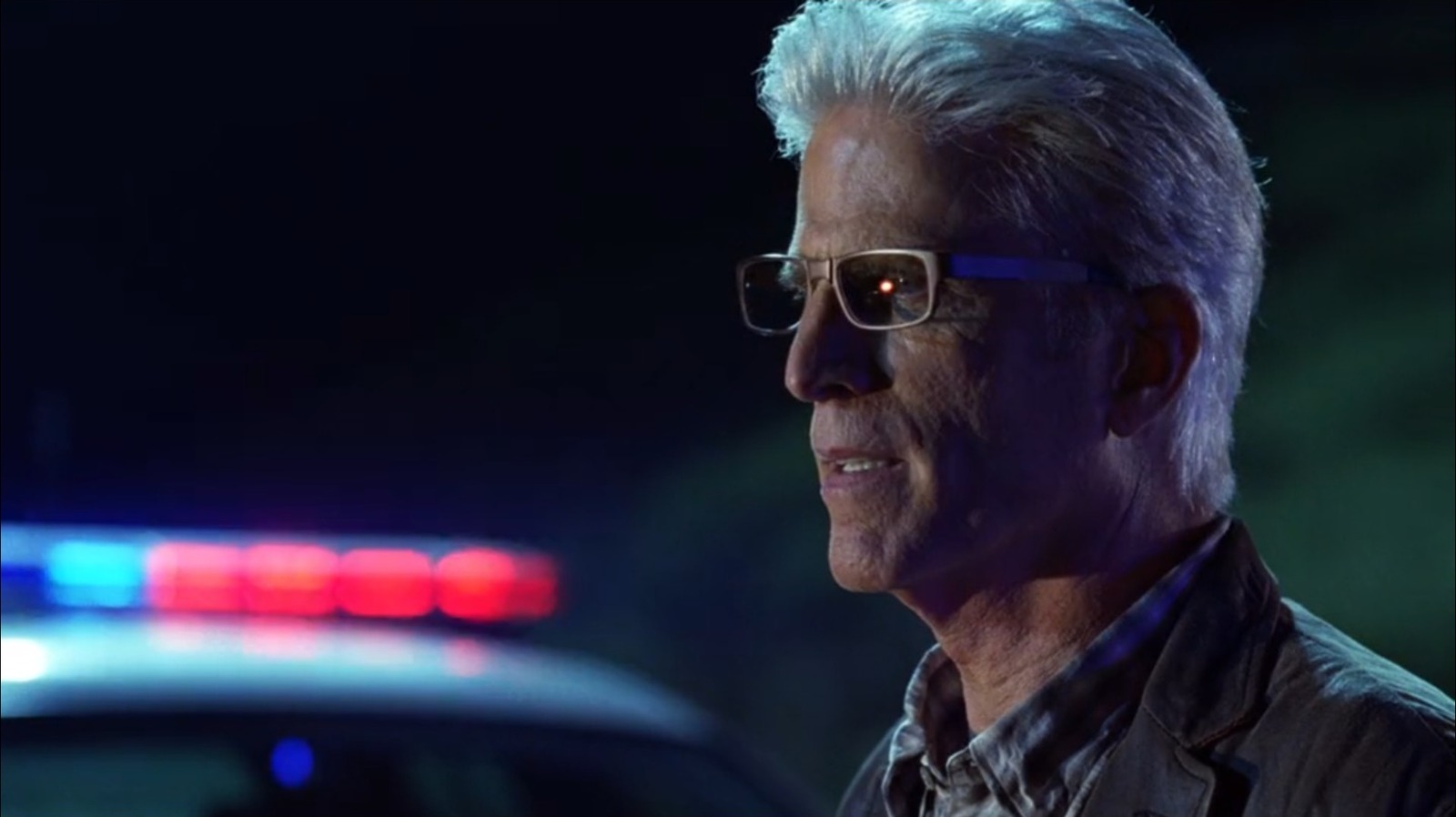
The crime drama CSI: Crime Scene Investigation has sparked debate over whether the gritty forensic details showcased on the show could influence jurors during trials. However, the jury deliberation process is not typically swayed by the quantity of scientific evidence seen on television. Though CSI debuted in 2000 and quickly became a ratings sensation, legal experts feared a phenomenon dubbed the "CSI effect" - jurors' reliance on forensic evidence in the absence of other solid proof.
This led to the infamous not guilty verdict in Robert Blake's 2005 trial, where jurors seemed to stray from conviction despite a lack of comprehensive forensic evidence. Yet, despite these concerns, there is no concrete evidence to support the CSI effect. A 2005 study conducted for the National Institute of Justice found that jurors were not more or less likely to acquit defendants based on the amount of forensic evidence, often gravitating towards eyewitness or victim testimony even in the absence of scientific proof.
Similarly, an Oxford publication stated that there is virtually no empirical data to suggest the CSI effect is a genuine occurrence. The immense popularity of CSI and its spinoffs may have raised valid questions about TV's impact on real juries, but the reality is that most jurors can still discern the difference between fiction and fact.
Written by urgent.news from TVLine's reporting — not their text. Machine-written — may contain errors; check the original before relying on it.