The long game: Why politics, not evidence alone, drives welfare reform in Indone...
Democratic governments can pursue long-term improvements without abandoning politically salient commitments to social welfare.
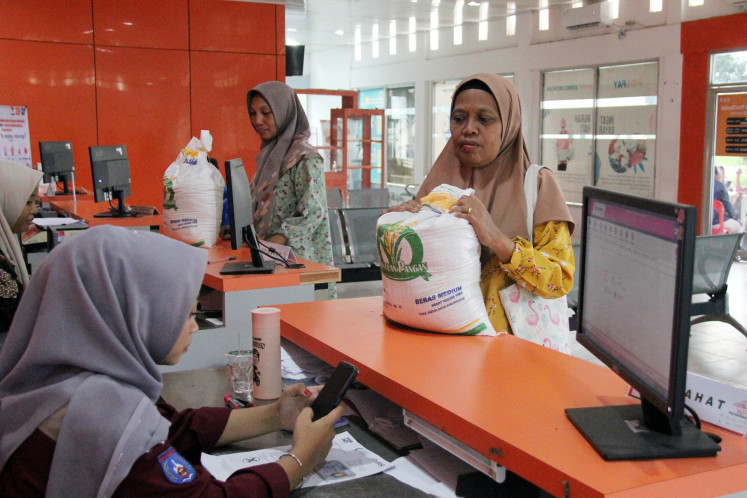
In Indonesia, political considerations often overshadow evidence when it comes to welfare reform. Democratic leaders can pursue long-term improvements without giving up on popular social welfare programs. However, voters tend to favor policies that provide immediate benefits, while effective development requires reforms with delayed gains.
Indonesia's experience with the rice distribution program Raskin illustrates this dynamic. Created in 1998 during economic collapse and political transition, Raskin was initially intended as a temporary emergency measure. However, it became a long-term program, running for 15 years despite technical flaws and inefficiencies. This happened because millions of impoverished families depended on it, and no government wanted to end their rice support.
The program's survival hinged on its symbolic value as state support for the poor, which made reform politically risky. It wasn't until the 2014 presidential election that Indonesia finally moved to reform Raskin, replacing subsidized rice distribution with digital cash transfers known as Non-Cash Food Assistance (BPNT). This reform occurred because of the political opportunity created by the election, not because of the overwhelming evidence for change, which had been known for years.
The government invested years in building the necessary infrastructure, but it lacked the necessary political support. Reformers worked to improve beneficiary targeting, develop alternative delivery systems, and generate evidence for better approaches. However, they also had to protect the symbolic commitment to food support, ensuring that the program's core promise was maintained.
This strategic move helped neutralize the most powerful argument against reform—the idea that the government was abandoning the poor. The reform demonstrates how democratic governments can achieve long-term improvements while maintaining politically sensitive commitments to social welfare. Indonesia's experience is not unique in Southeast Asia.
Governments across the region often manage programs that are politically entrenched but suboptimal. Similar challenges exist in debates over fuel subsidies, agricultural support, and other welfare programs where governments acknowledge policy limitations but face significant political barriers to change. The key to successful reform lies in building evidence and institutional capacity during stable periods while being prepared to act when political transitions create openings.
The timing of reform is as crucial as its content. The current government's flagship free nutritious meal program, launched in 2025, was rolled out rapidly as a flagship political commitment without the necessary accountability mechanisms for learning and correction. This is reminiscent of the BPNT experience, highlighting the risk of launching a politically popular program without the structural support needed for its success.
Indonesia has been through this before and must apply the lessons from its own reform history to ensure the new program's accountability and fiscal sustainability.
Written by urgent.news from The Jakarta Post Academia's reporting — not their text. Machine-written — may contain errors; check the original before relying on it.
This story
This is one outlet's version. Read the fullest account.