The great privacy revolt: people are pushing back against the glasses that record, the earbuds that eavesdrop and the TVs watching our lives — here’s what we can do about it, according to an AI research CEO and a digital rights advocate
‘This technology doesn’t need the cloud whatsoever, it’s simply cheaper and easier for manufacturers’ — why one expert thinks we’re overlooking the biggest privacy issue in the AI boom, and what a prolific digital rights advocate thinks needs to change
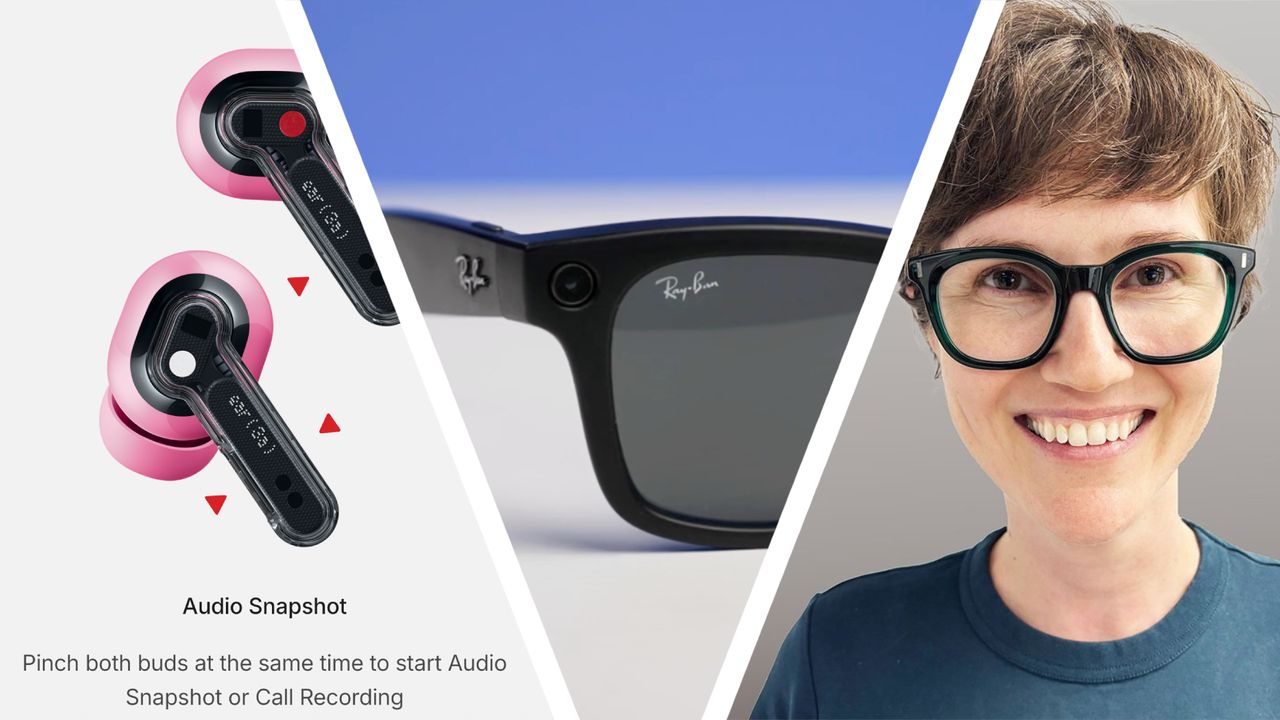
Recent reports have highlighted growing concerns over the invasion of privacy caused by AI learning models embedded in our everyday gadgets and appliances. LG TVs can now record in the background, prompting users to notify anyone entering their homes in compliance with wiretapping laws. Meanwhile, Nothing's new earbuds feature "squeeze the stems to record calls," a move criticized as phone-hacking in disguise.
The backlash against Meta's AI glasses has led to calls for camera-less glasses instead, as people flock to demand camera-free alternatives.
Lauren Hendry Parsons, Director of Communications at Mozilla Foundation, discusses this trend as part of a broader pattern aimed at normalizing consumer surveillance. Parsons argues that the invasion of privacy is becoming more pervasive as recording devices move from fixed home devices to constantly moving through every space and conversation.
The issue lies in the chicification of surveillance, where fashion influencers flaunt their smart devices, making surveillance ubiquitous and fashionable. Parsons contends that this normalizes surveillance and diminishes its impact, creating a false sense of security. She emphasizes the need for privacy by design, which means products should be private by default, protecting both the user and bystanders.
This approach would require genuine user control, minimal data collection, and sensible settings, ensuring multiple layers of protection for everyone involved. While some users may find convenience in these products, the trade-offs often go unexplained, and opting out becomes almost impossible. The real question is whether we are willing to accept the invasion of our privacy at the price of convenience.
Written by urgent.news from TechRadar's reporting — not their text. Machine-written — may contain errors; check the original before relying on it.