Supreme leader with no supreme power: Mojtaba Khamenei's absence cracks Iran's ruling order
In a matter of days, Iran 's President Masoud Pezeshkian went from declaring his "greater access" to Ayatollah Mojtaba Khamenei to reporting "very difficult" communication with the injured supreme leader. The shift reignited questions about who is calling the shots in Tehran, turning the issue into a remarkable dilemma given crucial negotiations with the US , which could lead to permanent peace…
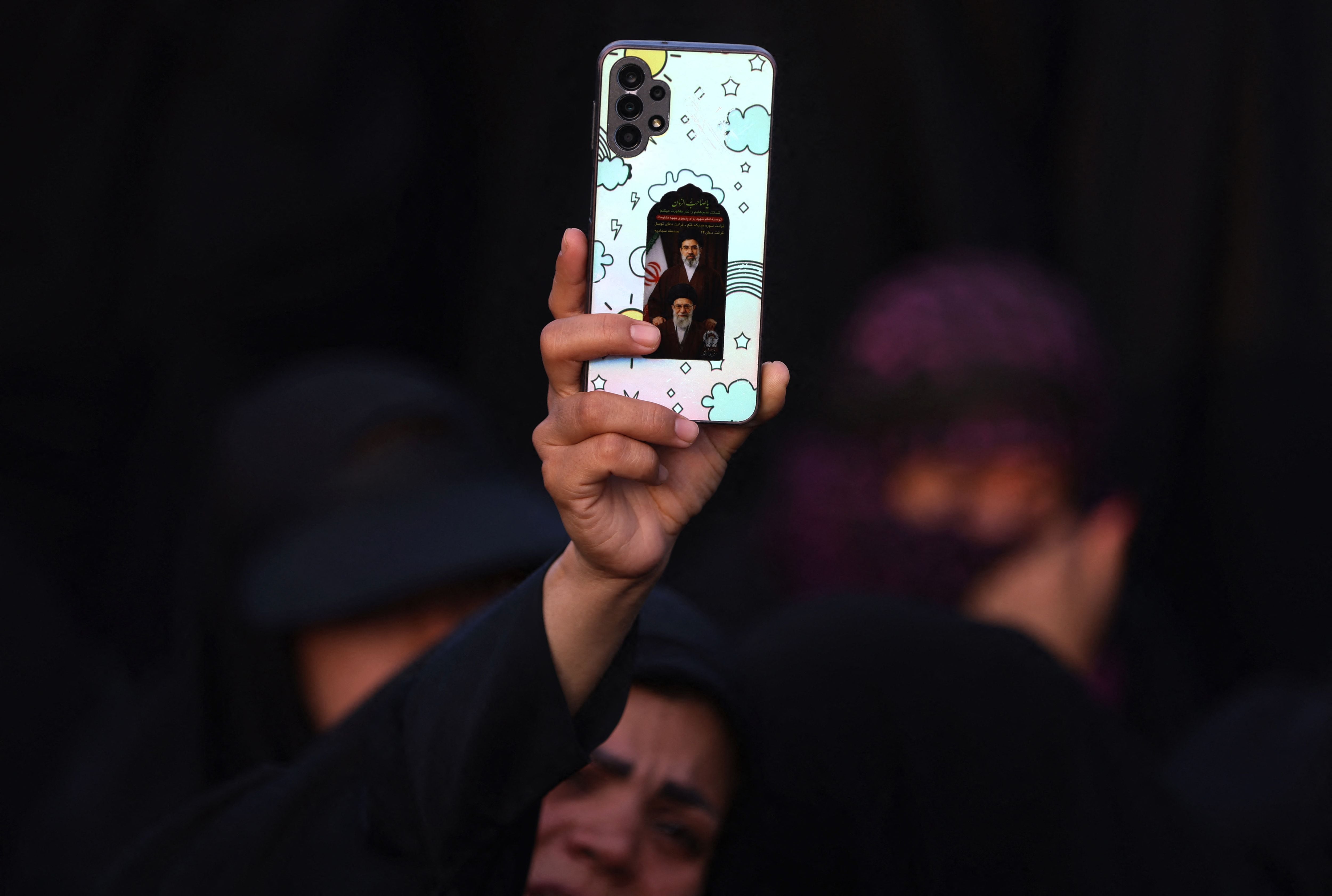
Iran's President Masoud Pezeshkian has experienced a drastic shift in communication with Supreme Leader Ayatollah Mojtaba Khamenei, revealing uncertainty over who holds the reins of power in Tehran. Amidst crucial negotiations with the US, this uncertainty hangs heavy in the balance, with the outcome potentially sparking either peace or war.
Despite the regime's efforts to portray strength, a growing sense of disarray among those in charge suggests a lack of unity during this critical juncture in Iran's history. During a recent session of talks, Iranian negotiators found it challenging to agree on a course of action, indicating internal divisions.
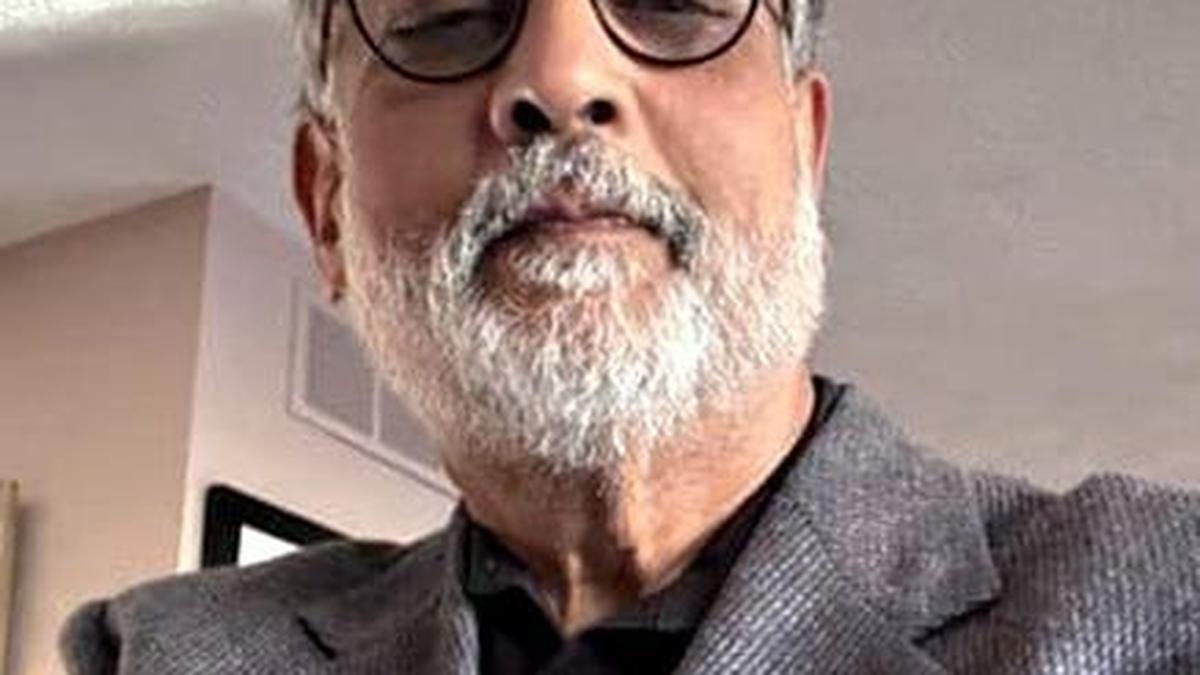
The younger Khamenei's absence during Iran's public funeral for his father has fueled speculation about his health and whereabouts. His lack of presence and inconsistent statements from Iranian leaders about his decision-making have left mediators and the US, the negotiating party, baffled. In an attempt to reassure, Pezeshkian initially claimed increased communication with the supreme leader in July, but later contradicted himself, stating communication as "very difficult".
Recent reports suggest that rumors about Khamenei's critical condition could be widespread within the regime. The political and military structures in Iran are unique, with power traditionally concentrated in the supreme leader. However, following the killing of Ayatollah Ali Khamenei, a new form of collective leadership has emerged, with the Islamic Revolutionary Guard Corps (IRGC) playing a significant role.
The IRGC, formed to defend the 1979 revolution, has steadily amassed power within Iran and across the Middle East, now seen as the centre of power according to some analysts.
The absence of Khamenei has led to speculation that he may be incapacitated or hiding to avoid his father's fate. Mediators have had to resort to delivering notes on paper and flying to Tehran due to the regime's restriction on internet and technology usage, fearing breaches by Israeli and US intelligence. This has slowed down the decision-making process, which is already complicated by the decentralised, collective framework in which power is distributed among security institutions.
With the margin for error becoming narrower, Iran finds itself in the hands of warmongers, with the outcome of war or peace resting on the speed of decision-making and the word of an elusive leadership.
Written by urgent.news from The National UAE's reporting — not their text. Machine-written — may contain errors; check the original before relying on it.