Strategist explains why U.S. yen support is built to fail
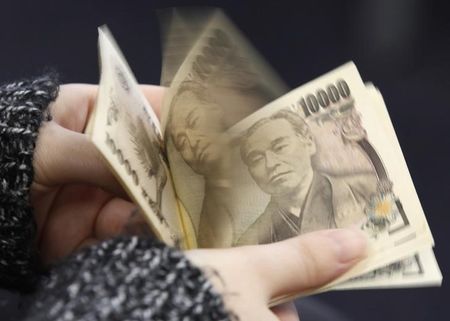
U.S. attempts to bolster the Japanese yen appear destined for failure, according to Yardeni Research. The country's recent intervention in support of the yen, a first since 2011, followed a sharp drop to levels last observed in 1986. U.S. President Donald Trump portrayed the move as an act of "friendship," while Treasury Secretary Scott Bessent called the yen "undervalued."
However, the U.S. intervention faces three key challenges. First, Prime Minister Sanae Takaichi's economic plans are bolstered by a weak currency, which aids exporters and corporate profits. Her government aims to slash Japan's 8% consumption tax to 1% for two years and launch a $2.3 trillion investment program financed by increased borrowing.
A stronger yen could limit imported inflation but would weaken exports, counteracting a portion of the planned fiscal stimulus. Moreover, accelerated Bank of Japan interest rate hikes would increase financing costs for a government with substantial debt.
Second, the disparity in interest rates between the U.S. and Japan poses a hurdle. The Bank of Japan kept its policy rate below 1% during its latest meeting, while the Federal Reserve signaled further tightening. Japan's 10-year government bond yield has surged to around 2.8%, its highest in three decades, yet remains significantly lower than the approximately 4.7% yield on comparable U.S. Treasuries. This gap maintains the dollar's advantage and encourages yen-funded carry trades.
Lastly, the structure of the intervention itself is problematic. Reports suggest the U.S. Treasury sold euros instead of dollars to acquire yen on July 31, indicating Washington was reluctant to weaken the dollar directly. The euro-based transaction reduced the operation's impact on USD/JPY and avoided signaling a broader change in U.S. dollar policy. Without policy adjustments in Tokyo or direct dollar selling by the U.S., coordinated action may only offer temporary relief for the yen.
Written by urgent.news from Investing.com's reporting — not their text. Machine-written — may contain errors; check the original before relying on it.