Spain’s zebra mussels reach 40,000 per sq metre, damaging pipes and structures
Zebra mussels are proliferating swiftly in Spain's aquatic systems, resulting in considerable harm to infrastructure and creating disturbances in water supply. Experts advocate that modifying infrastructure represents the only effective long-term remedy. The mere removal of adult mussels fails to address the persistent issue of shell buildup. This invasive species has already led to substantial…
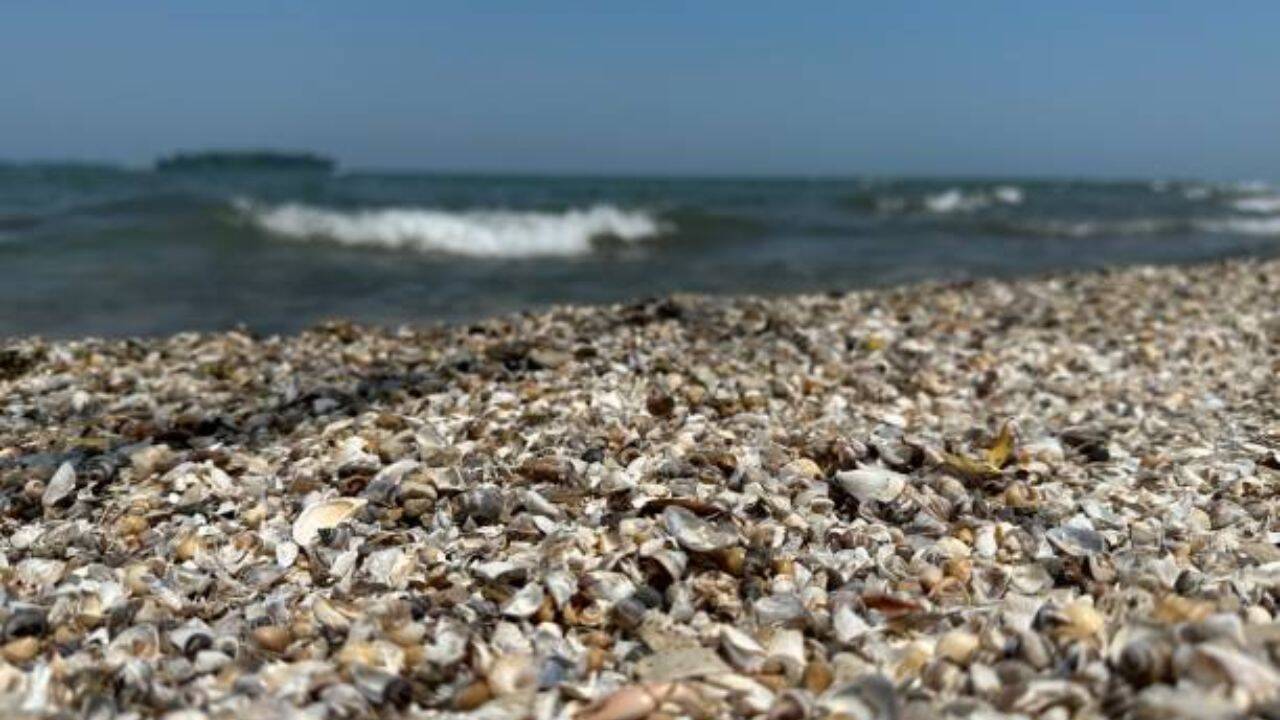
In northeastern Spain, zebra mussels have rapidly expanded their territory, reaching densities of 40,000 per square meter in some areas, causing damage to water infrastructure. These invasive species, native to the Ponto-Caspian region, were first discovered in Spain in 2001 in the Ribarroja Reservoir along the Ebro River. Genetic studies suggest they may have crossed the Pyrenees via recreational boat hulls or live fish transport.
Experts, tracking the spread for over two decades, warn that a long-term solution is needed to curb their advance. Zebra mussels reproduce at an extraordinary rate, with each adult capable of producing between 400,000 and one million gametes during spring and fall breeding seasons. Their larvae, just 200 microns in size, are easily transported through water, allowing them to colonize aquatic systems quickly.
The Ebro River Basin Authority confirmed zebra mussels in the Santa Anna Reservoir, while larvae have been detected in several other reservoirs. Specialists believe the invasion has spread to significant portions of irrigation systems in Catalonia and Aragón, as well as drinking water distribution networks. In some irrigation ponds, densities reach 10,000 to 40,000 mussels per square meter, leading to blockages in smaller pipelines and a 60% to 70% reduction in hydraulic capacity in larger conduits.
Biologist Antoni Palau from the University of Lleida argues that coexistence with the species is now inevitable. He proposes duplicating facilities to facilitate cleaning and repairs and establishing annual draining and drying periods for water storage systems to slow the mollusks' spread. Removing adult specimens is ineffective, as blockages persist due to the shells adhering to pipes and conduits, even after the mollusks die.
Research published in the Journal of Hydraulic Research in 2026 examined the movement, velocity, and dispersion of detached zebra mussel shells in pressurized pipelines, providing a framework for predicting shell transport and accumulation zones. A 2011 study found that the invasion has cost the U.S. millions and warned that it could cost up to 40 million Euros over twenty years in the Iberian Peninsula due to infrastructure damage.
Despite efforts, there is currently no ideal solution to rectify the damage and recover the affected infrastructure.
Written by urgent.news from Times of India's reporting — not their text. Machine-written — may contain errors; check the original before relying on it.