South African clothing factories struggle after migrant workers flee
Weeks after xenophobic protests drove thousands of migrant workers from South Africa, rows of sewing machines stood idle at a clothing factory in Newcastle, a manufacturing hub in the eastern province of KwaZulu-Natal.
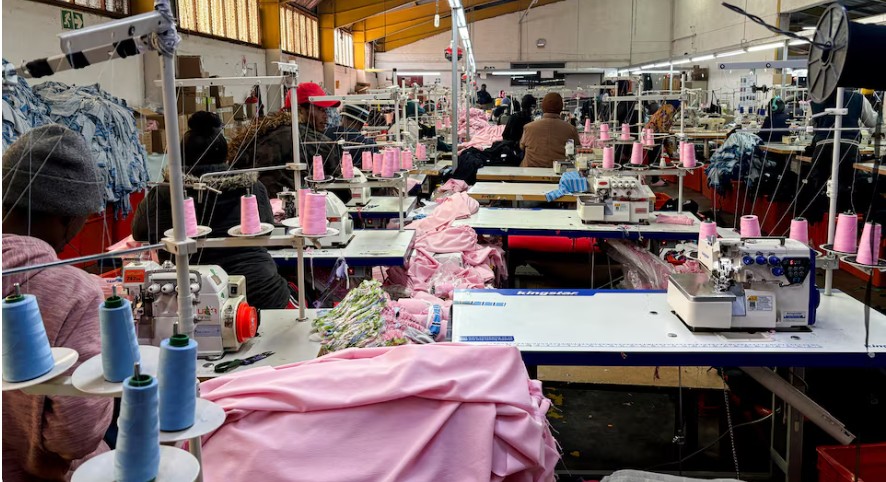
In the wake of xenophobic protests that forced thousands of migrant workers out of South Africa, clothing factories in Newcastle, KwaZulu-Natal province, are facing significant challenges. Initially driven by the xenophobic group March and March, the protests aimed to create jobs for South Africans with a third of the population unemployed. However, local manufacturers have struggled to fill vacancies left by the departing foreign workers.
Reuters visited three factories in late July, where owners reported losing between 12% and 19% of their workforce during the protests. Some workers had specialized sewing skills, while few locals were willing to take the low-paying jobs. Mpho Nkosi, a 29-year-old South African administrator at one of the firms, noted that migrants often work in sectors less appealing to locals.
The Department of Employment and Labour has been contacted regarding these shortages, but a spokesperson stated they were unaware of any and advised businesses to seek their assistance in recruitment. The xenophobic campaign, led by March and March, resulted in a deadline for undocumented migrants to leave by June 30, causing many to flee the country.
Critics argue that the group's claims overlook the fact that employers prefer foreigners who accept lower wages, while factory owners contend that they predominantly employ South Africans, while skilled workers from neighboring nations are needed for their experience in the garment sector.
The Southern African Clothing and Textile Workers’ Union estimates that 15% of Newcastle’s textile workforce, amounting to around 2,250 workers, left during the protests. Siyabonga Ntombela, a union representative, challenged the notion of a skills shortage, stating that the jobs are not being filled due to low pay for South Africans. He also mentioned that commuting costs deter South African workers, while some migrants lived on-site at factories.
Labor market researcher Siphelele Ngidi suggested that attracting South Africans to manufacturing jobs requires a government-led effort to revitalize the sector, considering factors such as working conditions and upward mobility beyond just wages. Newcastle’s garment factories, mostly owned by Chinese nationals who have been in South Africa for decades, primarily produce clothing for domestic retailers.
Wages are paid per piece completed, making it difficult for factory owners to raise wages given the low retail prices for garments. A pair of jeans sells for 11.50 rand, while a T-shirt fetches less than half that amount. The industry suffered a setback in February when government inspections uncovered illegal labor practices in some factories, leading factory owners to report reduced retail orders.
Factory owners acknowledged that while the urgency of replacing workers who left has diminished, the overall impact could still push some factories into insolvency, potentially leading to more job losses among South Africans.
Written by urgent.news from MyJoyOnline Ghana's reporting — not their text. Machine-written — may contain errors; check the original before relying on it.
This story
This is one outlet's version. Read the fullest account.
- South African clothing factories struggle after migrant workers flee gbcghanaonline.com
- South African clothing factories struggle after migrant workers flee myjoyonline.com
- Former South African hunting reserve reopens as luxury safari retreat euronews.com
- Lion cubs find new home in South African shelter, drawing attention to illegal wildlife trade jpost.com