South African clothing factories struggle after migrant workers flee
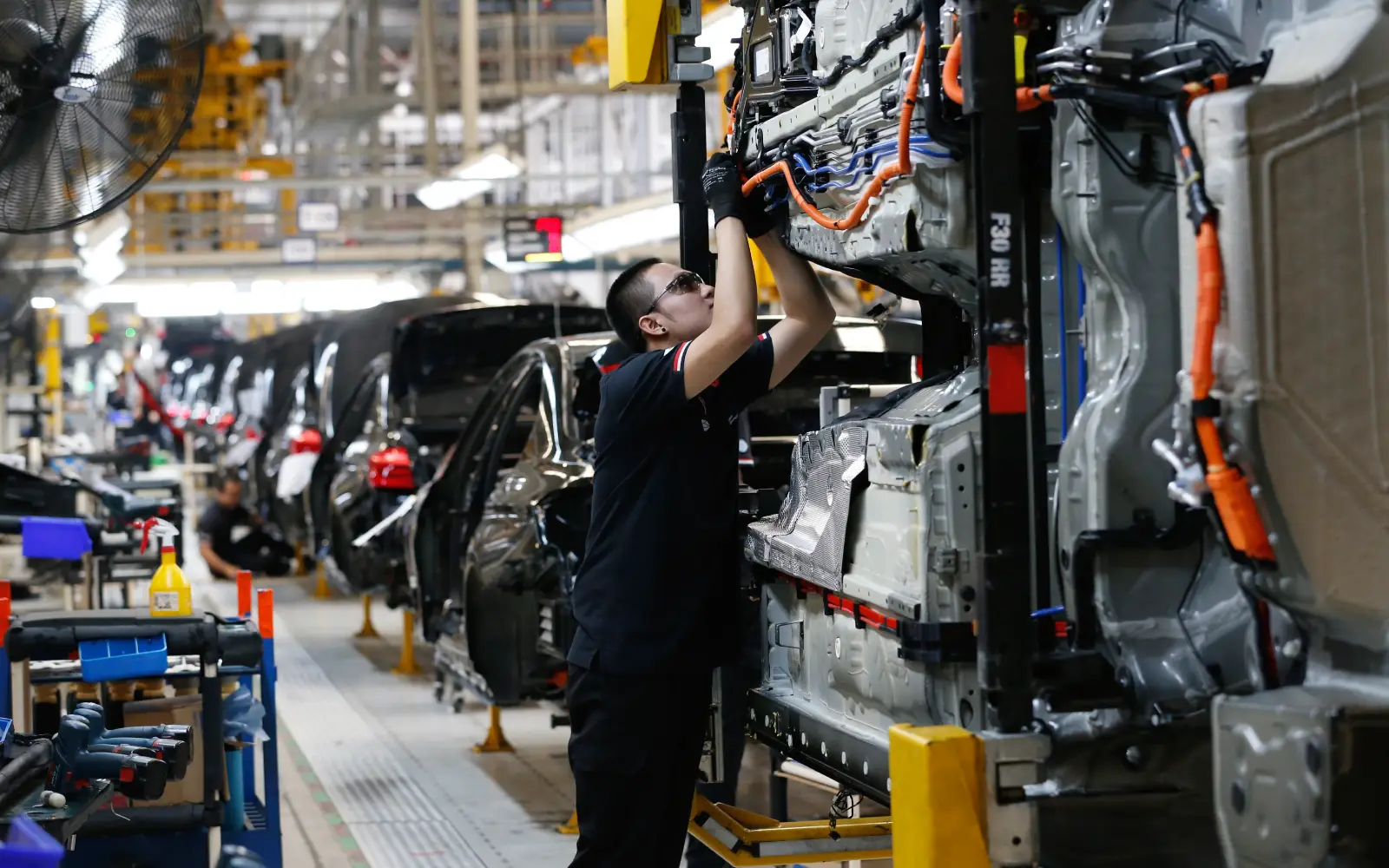
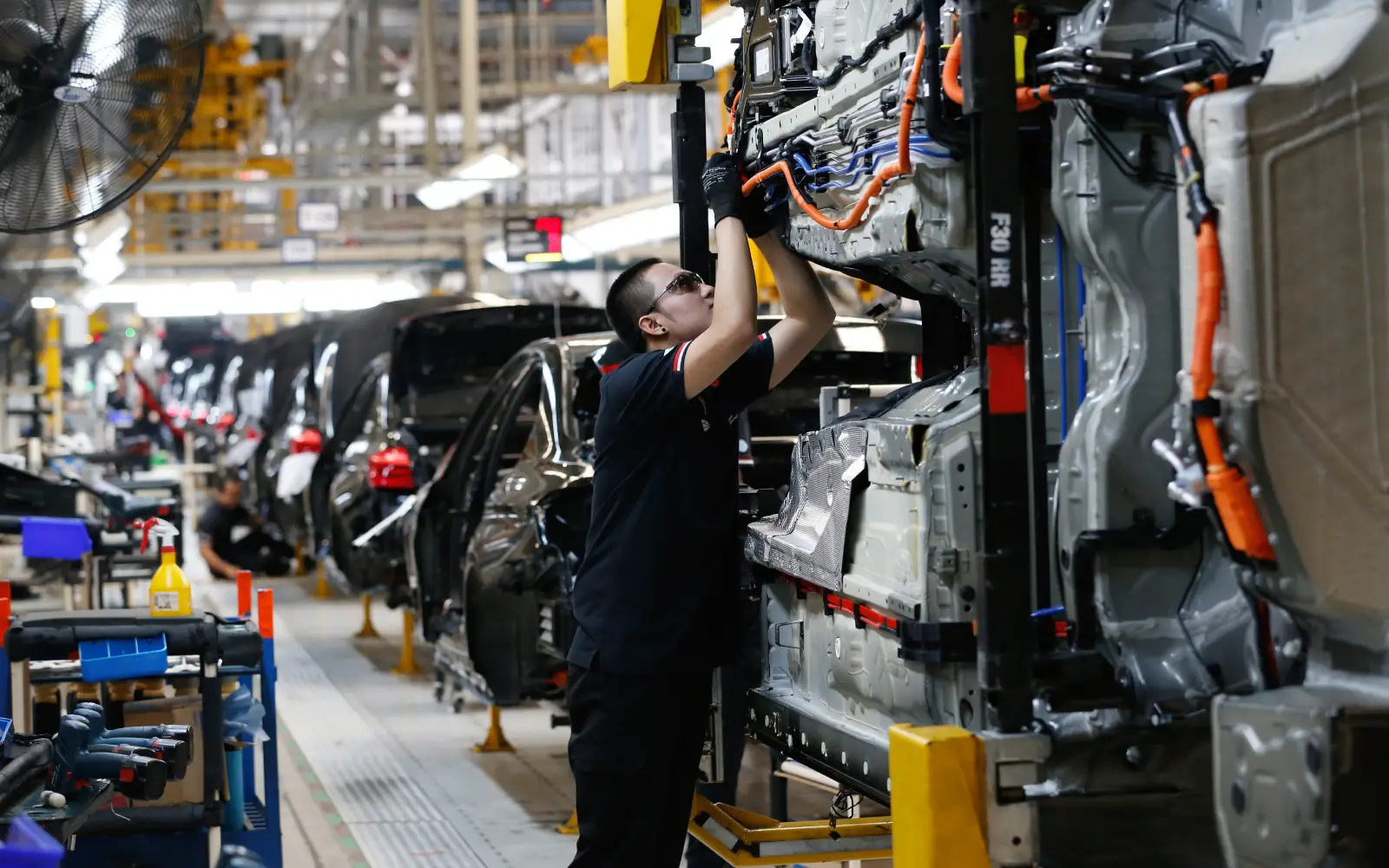
Weeks after xenophobic protests drove thousands of migrant workers from South Africa, rows of sewing machines stood idle at a clothing factory in Newcastle, a manufacturing hub in the eastern province of KwaZulu-Natal.

The recent xenophobic protests in South Africa have left a significant impact on its clothing manufacturing industry, particularly in Newcastle, a manufacturing hub in KwaZulu-Natal. Thousands of migrant workers left the country, causing a severe shortage of labor in local factories. The anti-immigrant group March and March, responsible for the protests, claims immigrants are responsible for South Africa's economic issues, especially high unemployment. However, experts dispute this claim, stating that employers prefer workers who accept lower wages.
Local manufacturing owners have struggled to fill vacancies left by the departed migrant workers, with losses ranging from 12% to 19% of their workforce. Factory owners claim that some skilled workers from neighboring countries are needed for their experience in the garment sector. However, a training course initiated by one factory owner to train local employees has not been sufficient, due to financial constraints.
The Southern African Clothing and Textile Workers' Union estimates that 15% of Newcastle's 15,000-strong textile workforce left during the protests, disputing the idea of a skills shortage. They argue that jobs are not being filled due to low pay, as South Africans are unwilling to take low-paying factory jobs. Factory owners attribute the low wages to retailers who pay little for the garments, with a pair of jeans starting at 11.50 rand and a T-shirt fetching less than half that.
Government inspections in February revealed illegal labor practices at some factories, causing a setback in the garment industry. Factory owners stated that they could not afford to raise wages as retailers pay little for their products. The industry suffered a loss of retail orders, and factory owners are planning to reassess their situation by December, with the possibility of closures looming.
Written by urgent.news from MyJoyOnline Ghana's reporting — not their text. Machine-written — may contain errors; check the original before relying on it.
Also reported by 4 other outlets
- South African clothing factories struggle after migrant workers flee gbcghanaonline.com
- South African clothing factories struggle after migrant workers flee myjoyonline.com
- Former South African hunting reserve reopens as luxury safari retreat euronews.com
- Lion cubs find new home in South African shelter, drawing attention to illegal wildlife trade jpost.com