Kuwait retains high-grade Fitch rating as fiscal strength helps against war fallout
Kuwait has retained its high-grade sovereign credit rating from Fitch as strong government finances help fend off the challenges it continues to face amid the US-Iran war . Opec's fifth biggest oil producer has had to deal with Iranian strikes on its infrastructure that have damaged strategic assets, especially those for energy, and disrupted logistical conditions. Nevertheless, Fitch kept its…
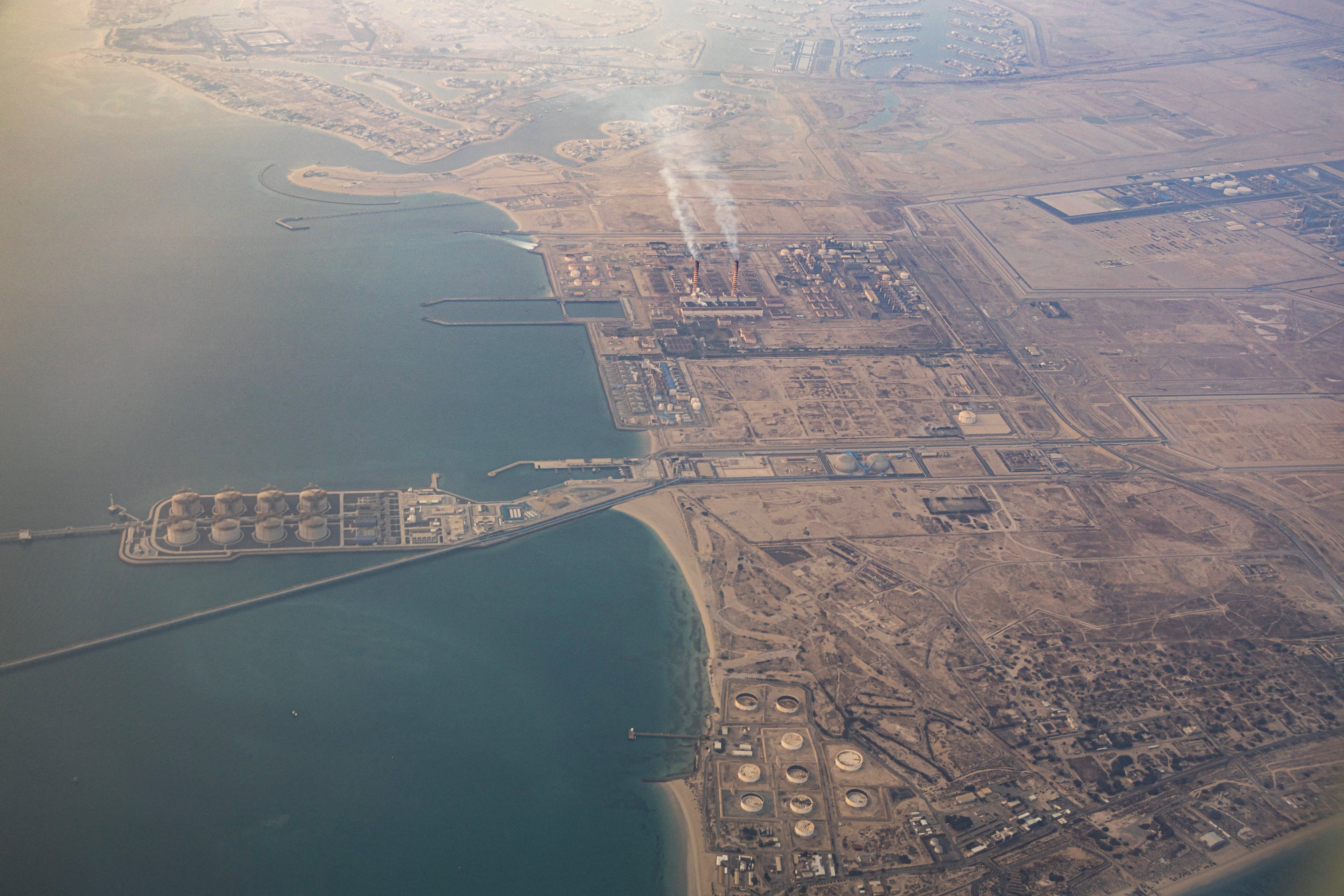
Fitch has maintained Kuwait's high-grade AA- sovereign credit rating, recognizing the country's robust fiscal and external balance sheets that have helped it weather the challenges posed by the US-Iran war. The OPEC fifth-largest oil producer has faced Iranian strikes on its infrastructure, particularly energy-related assets, which have disrupted logistical conditions.
Despite these setbacks, Kuwait's external balance sheet remains strong, with sovereign net foreign assets reaching 668% of its GDP in 2026, up from 652% the previous year. This positions Kuwait among the top investment-grade sovereigns, with assets relative to GDP exceeding the AA median significantly. Fitch noted that while the US-Iran conflict remains a risk to Kuwait's creditworthiness, the country's substantial financial buffers should keep the implications for sovereign risk manageable.
Oil production, which dropped by 70% from March to May amid the war, is expected to average two million barrels per day in fiscal year 2026, with an average barrel price of approximately $81.40. However, the conflict's impact on Kuwait's ability to export oil, especially through the Strait of Hormuz, remains a concern. Fitch anticipates some level of normalization in oil exports in the near term, although high uncertainty and potential severe disruptions persist.
In response to the energy sector's challenges, Kuwait Petroleum Company recently signed a $16 billion leasing agreement for its crude pipelines, indicating efforts to stabilize the sector. Despite non-oil GDP projected to remain positive, inflation is expected to rise marginally in 2026 before easing in 2027, supported by government spending, public sector employment, and central bank interventions.
Written by urgent.news from The National Business's reporting — not their text. Machine-written — may contain errors; check the original before relying on it.
This story
This is one outlet's version. Read the fullest account.