Kuwait retains high-grade Fitch rating as fiscal strength helps against war fallout
Kuwait has retained its high-grade sovereign credit rating from Fitch as strong government finances help fend off the challenges it continues to face amid the US-Iran war . Opec's fifth biggest oil producer has had to deal with Iranian strikes on its infrastructure that have damaged strategic assets, especially those for energy, and disrupted logistical conditions. Nevertheless, Fitch kept its…
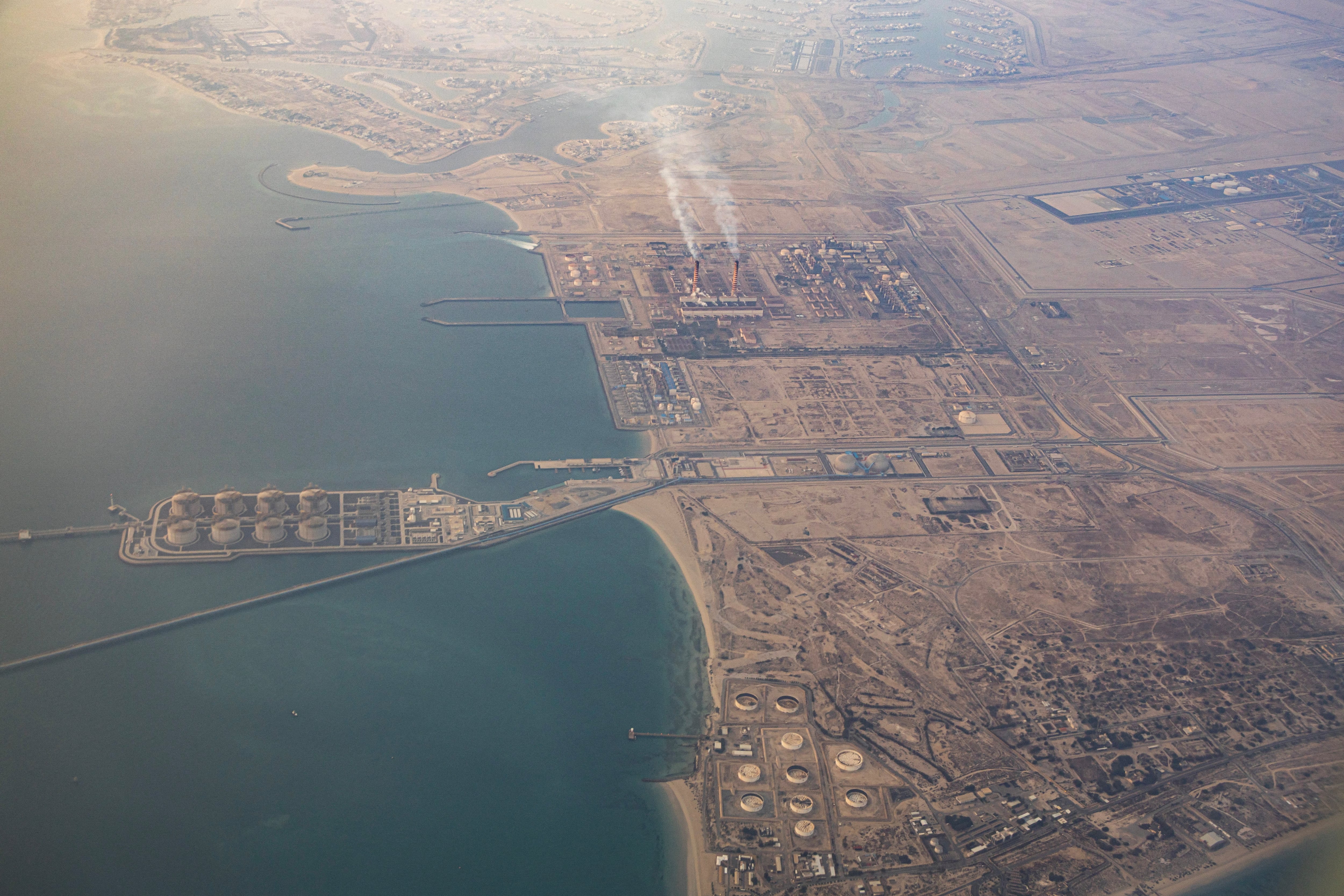
Kuwait has maintained its high-grade AA- credit rating from Fitch despite facing challenges due to the ongoing US-Iran war. The oil-rich nation, which is Opec's fifth largest producer, has been grappling with Iranian strikes on its infrastructure, particularly those related to energy, disrupting logistical conditions. However, Fitch's assessment highlighted Kuwait's robust fiscal and external balance sheets as crucial factors in preserving its creditworthiness.
The country's external balance sheet, characterized by sovereign net foreign assets amounting to 668% of its GDP in 2026, is the highest among all Fitch-rated sovereigns. Analysts noted that these assets are primarily held in the Future Generations Fund overseen by the Kuwait Investment Authority. Fitch emphasized that while the US-Iran conflict, which resurfaced after their ceasefire deal fell apart in mid-July, remains a risk factor, the country's substantial financial buffers suggest that the impact on its creditworthiness will be manageable.
The decline in oil production due to the strikes has negatively impacted GDP, but Fitch anticipates a recovery in oil output, averaging two million barrels per day in fiscal year 2026. The conflict's ongoing impact on Kuwait's oil exports, mainly due to its dependence on the Strait of Hormuz, poses a continued challenge. Despite some damage to oil facilities, Kuwait is expected to restore production quickly once the situation normalizes.
Non-oil GDP is projected to stay positive, albeit with a projected slowdown, while inflation is anticipated to increase marginally before settling in 2027. These factors are supported by public infrastructure spending, increased public sector employment, and central bank backing for the banking sector.
Written by urgent.news from The National UAE's reporting — not their text. Machine-written — may contain errors; check the original before relying on it.