Irish buyers are choosing EVs, but concerns remain
When faced with the big decision of buying a new car, more Irish consumers are choosing to go fully electric.
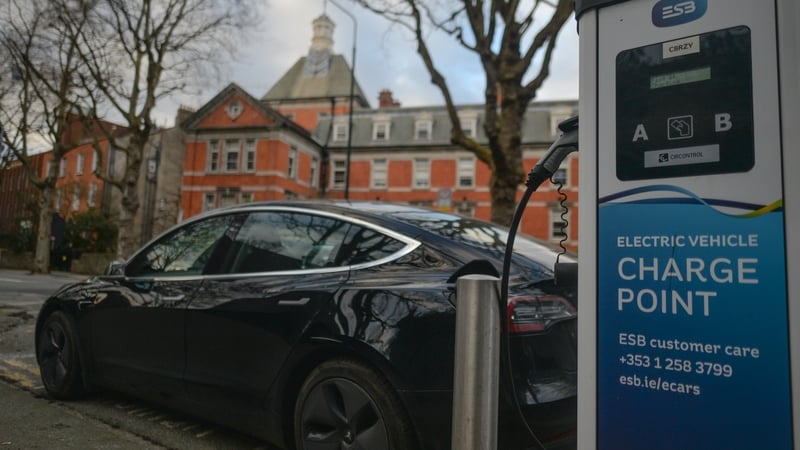
A significant shift in Irish car-buying habits is evident as more consumers opt for electric vehicles (EVs), marking battery electric cars as the most popular new private vehicle for the first time, according to the Society of the Irish Motor Industry. The shift is significant, with EVs accounting for 26% of all new car registrations in July, up from hybrids which previously held the top spot.
Current government targets aim for 30% of the national fleet to be electric by 2030, with only 4% of cars on Irish roads currently being fully electric.
Independent motoring expert Conor Faughnan of Carzone explained that mainstream consumers are becoming more familiar with EVs and more comfortable driving them, eliminating issues such as "range anxiety" and concerns about resale value. The start of the year was turbulent for traditional fuel costs, with petrol and diesel prices reaching new highs following the Iran war, while EV charging costs remained largely stable.
EVs are estimated to be about 60% cheaper to operate than petrol or diesel vehicles, with a home charge costing between €7 and €30. However, buying an electric car remains a premium option, typically starting at around €20,000-€25,000.
Faughnan suggests that electric cars are an expensive purchase, but government incentives, including a €5,000 grant deductable at point of sale and a scrappage scheme offering €3,500 to owners of old petrol and diesel cars, are helping to make EVs more affordable. Despite these incentives, EVs still lag behind in terms of infrastructure.
Ireland currently has a limited number of public charging stations, with just 4,000 compared to the approximately 13,000 needed to match the pace of EV adoption in other European countries.
While EVs are generally considered reliable and free from traditional engine issues, concerns about long-term maintenance and software performance persist. Service Stop in north Dublin services up to five EVs per week, with similar numbers coming for repairs each month. Common repairs include battery faults, electric motor issues, and air-conditioning failures.
EV warranties typically cover around seven to eight years of use, but battery issues, particularly those not reflected on the dashboard, can be costly and may require specialized diagnostics beyond the warranty's scope.
Written by urgent.news from RTE News's reporting — not their text. Machine-written — may contain errors; check the original before relying on it.